Fashion
What Is a Midi Dress? Fit & Styling Guide
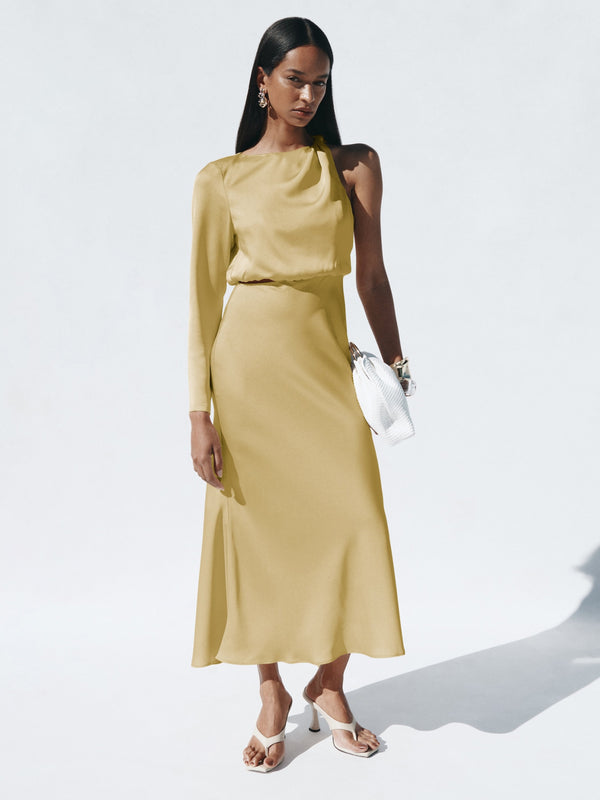
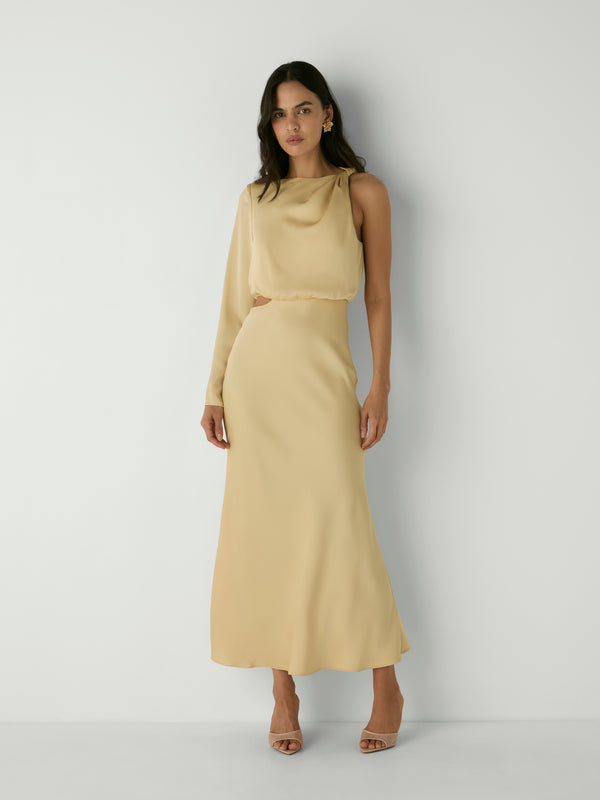
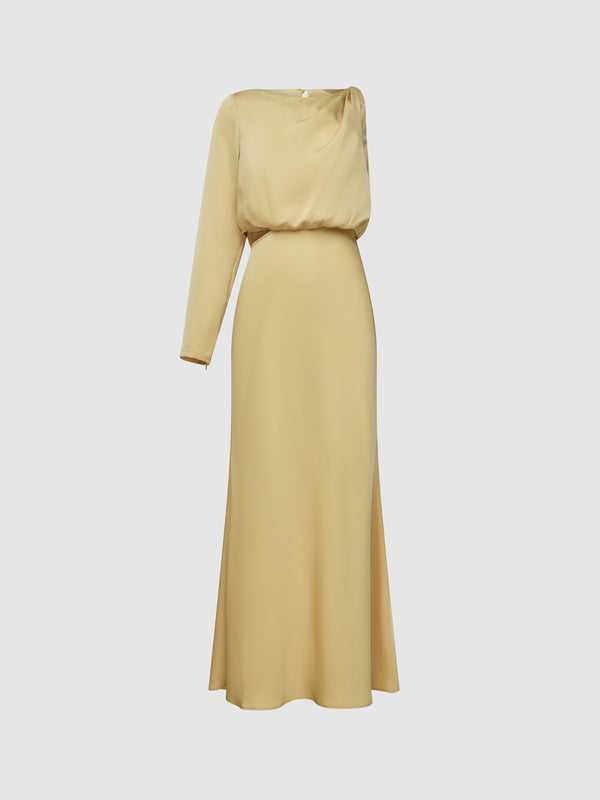
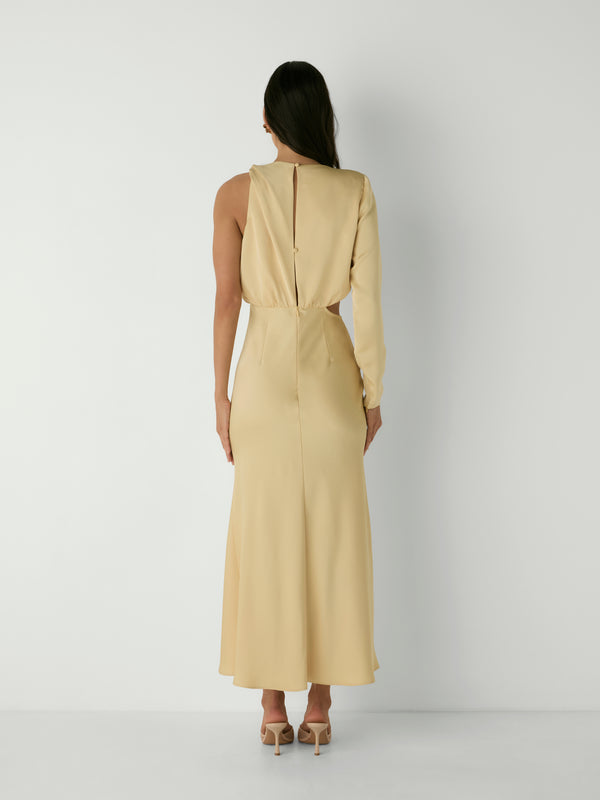
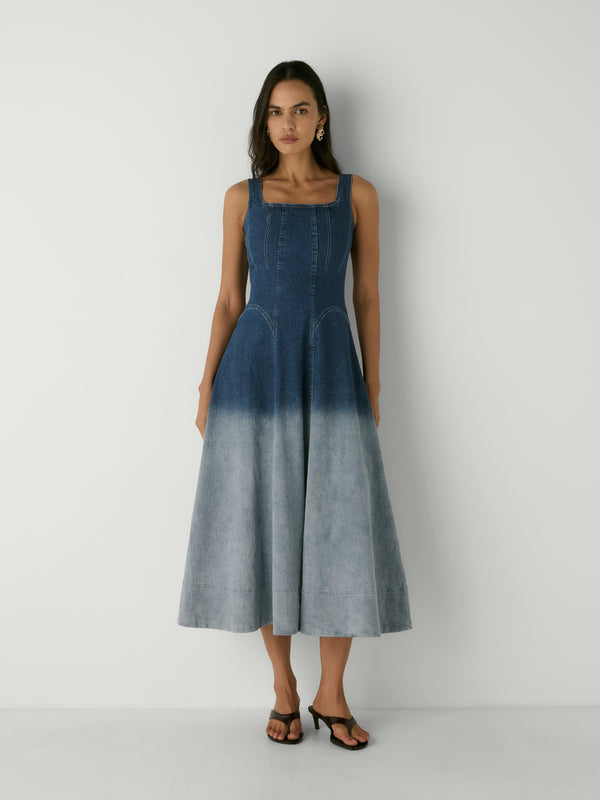
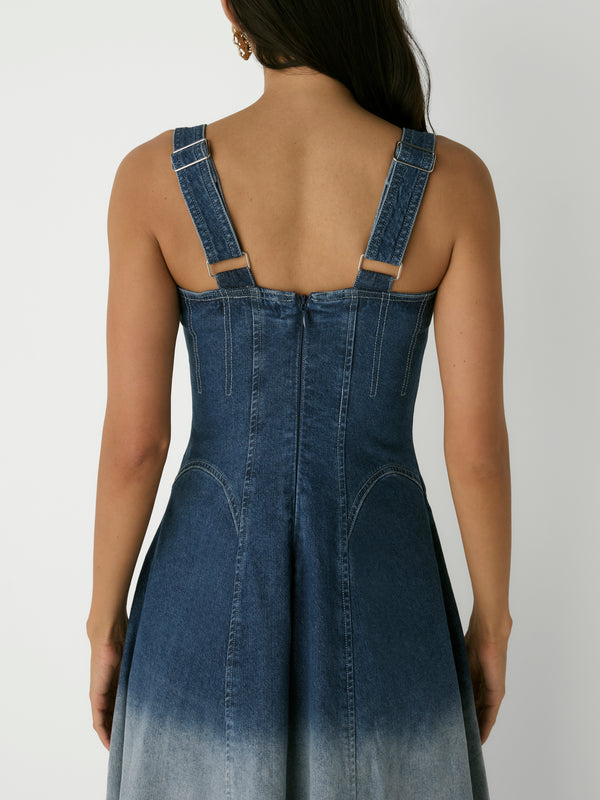
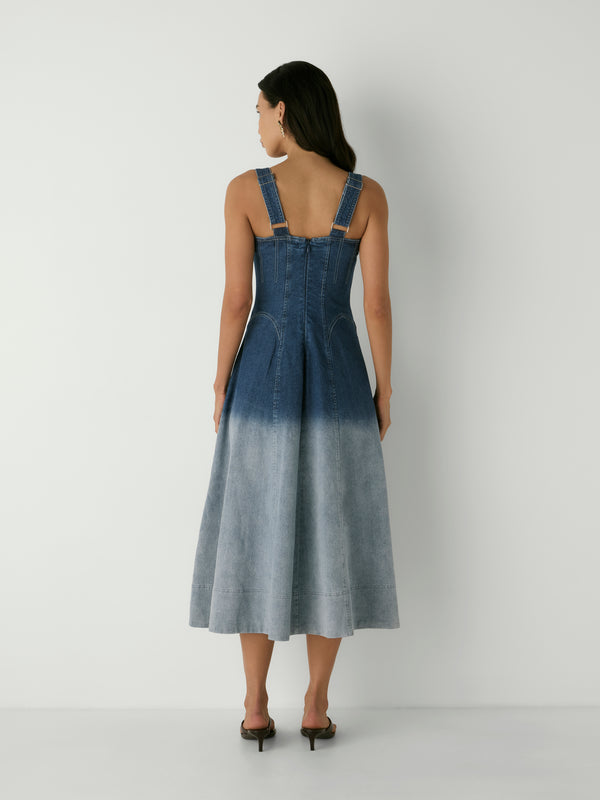
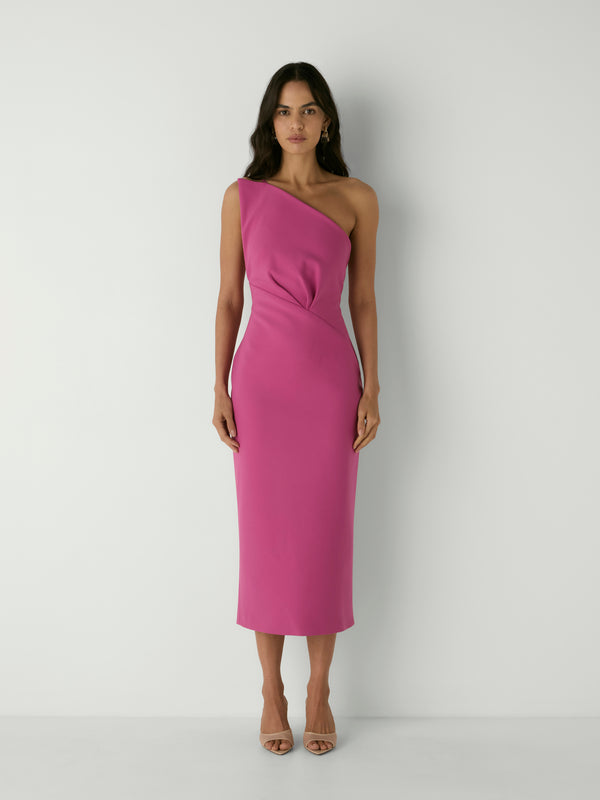
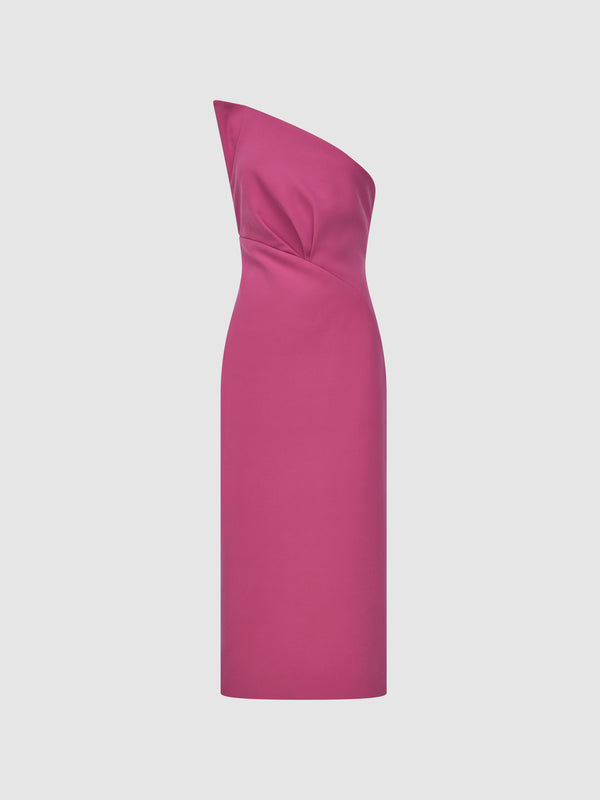
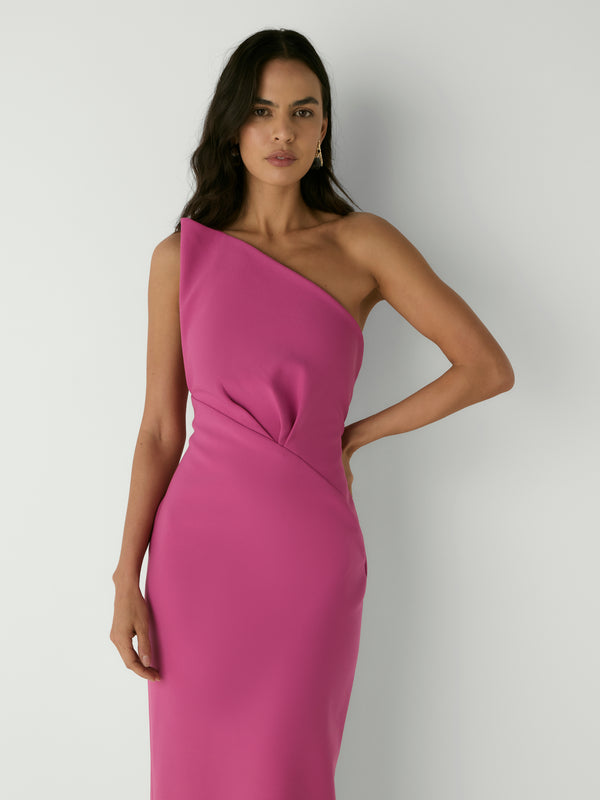
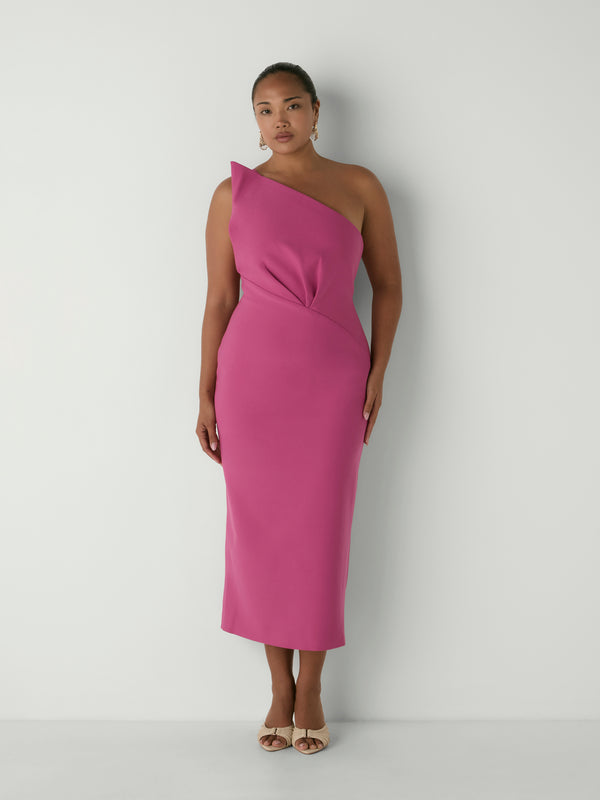
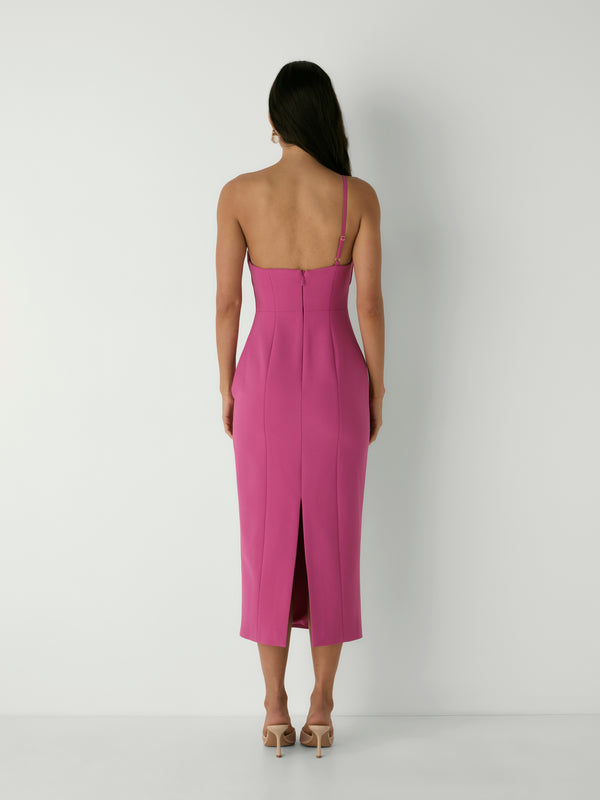
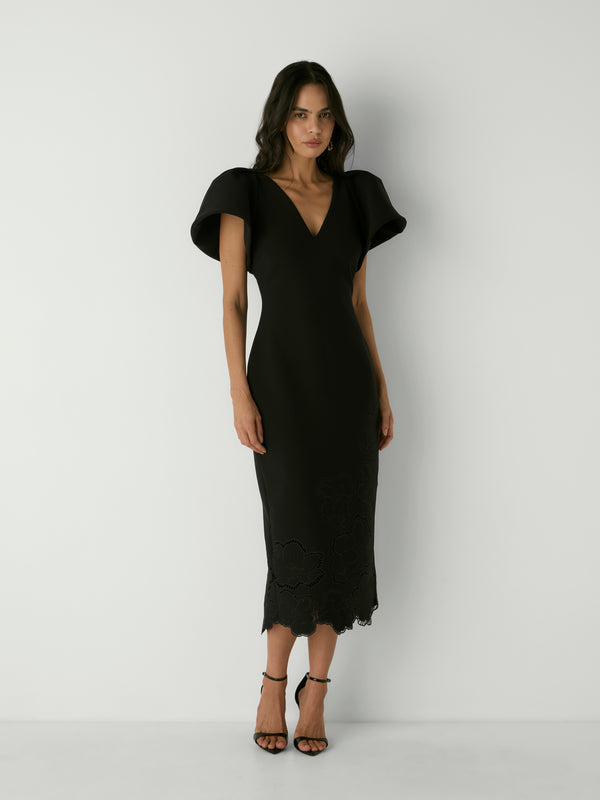
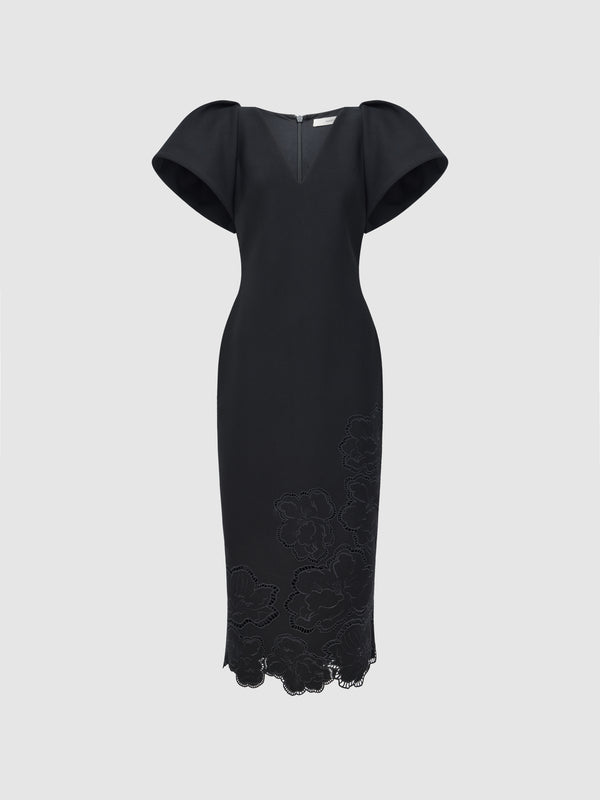
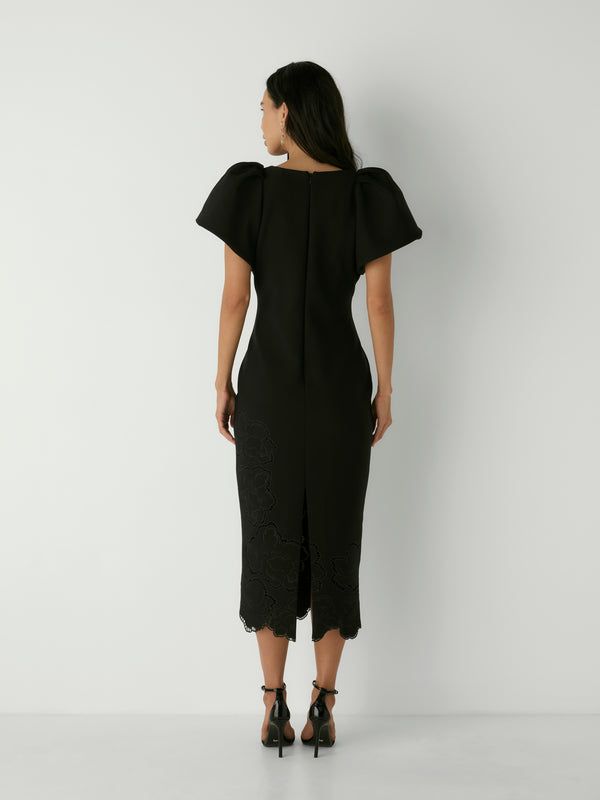
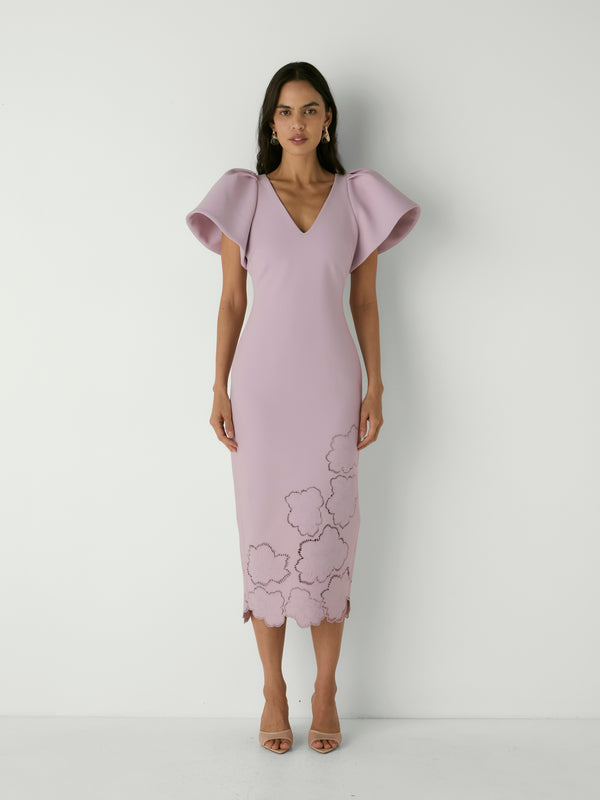
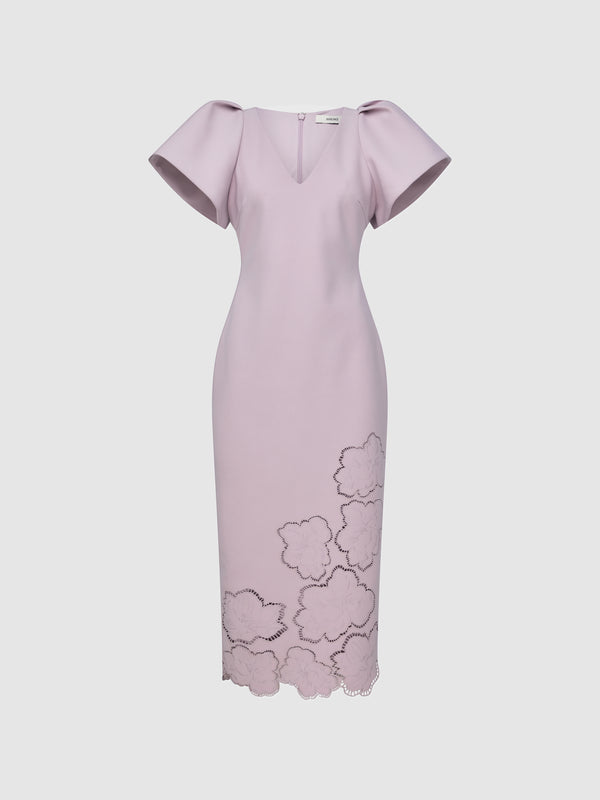
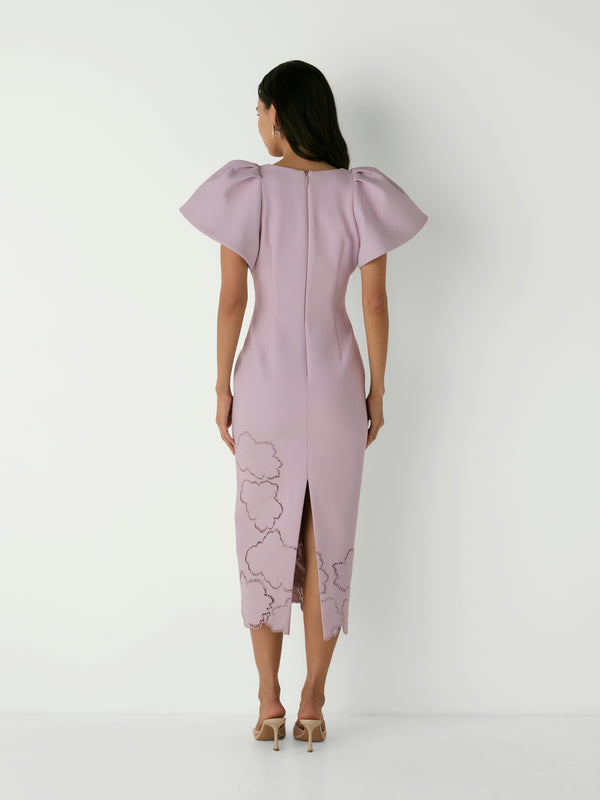
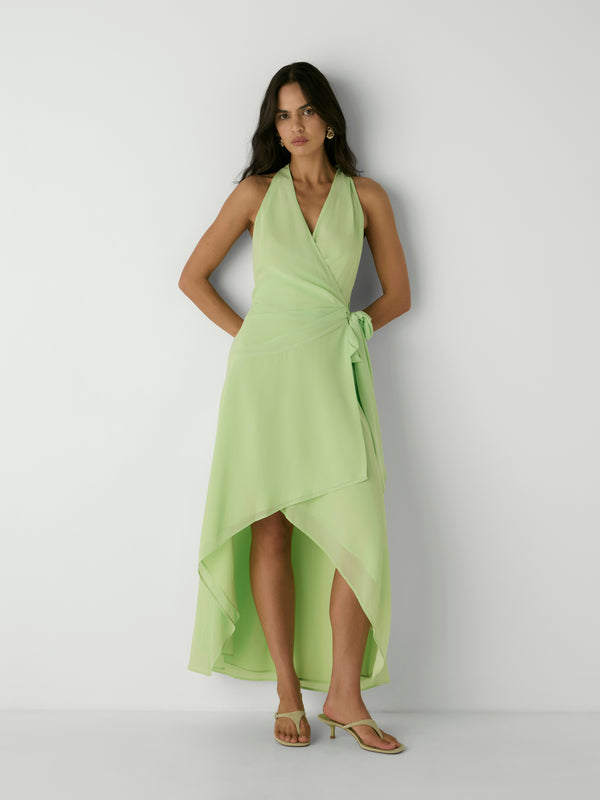
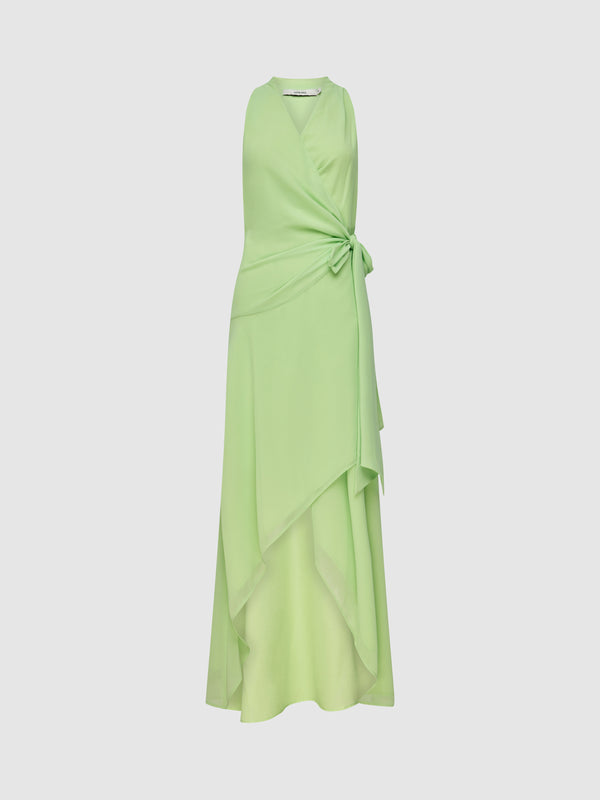
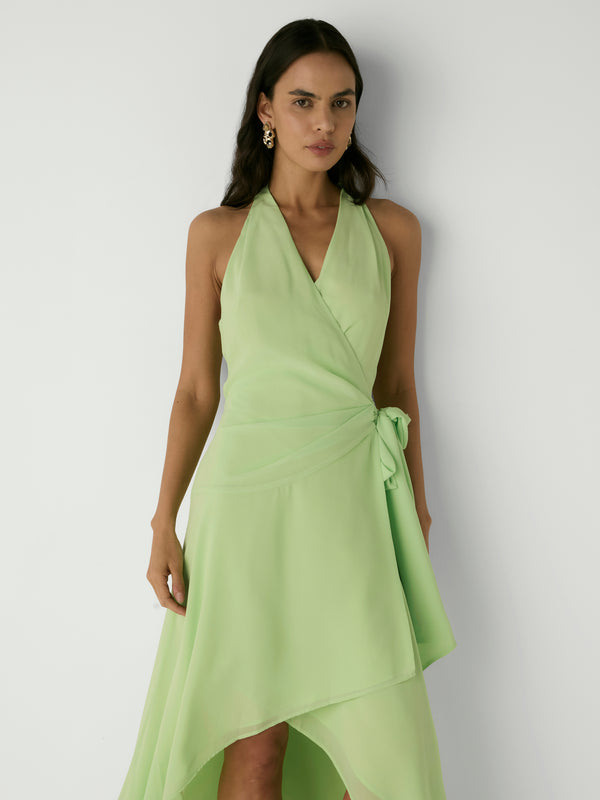
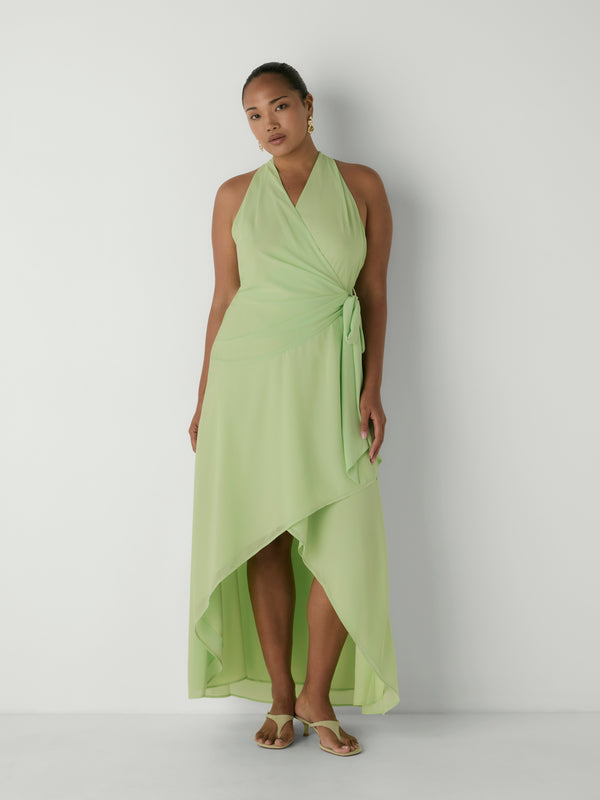
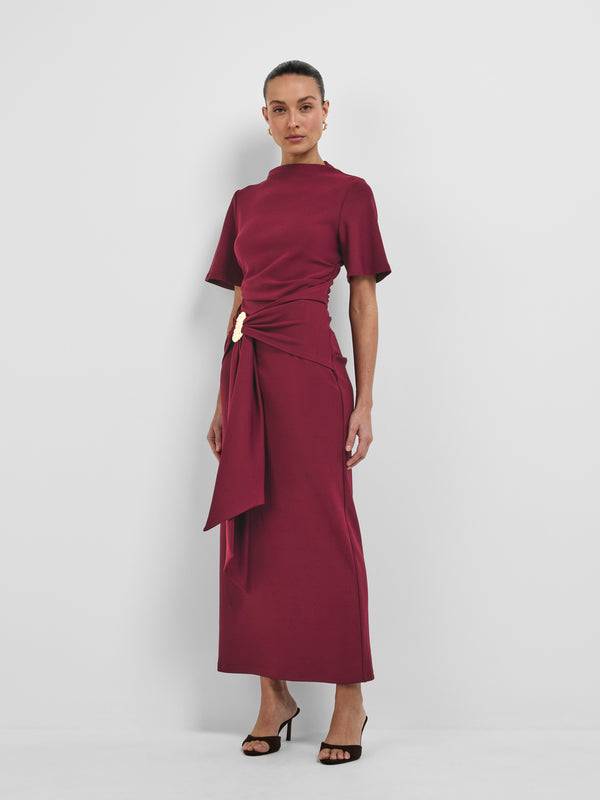
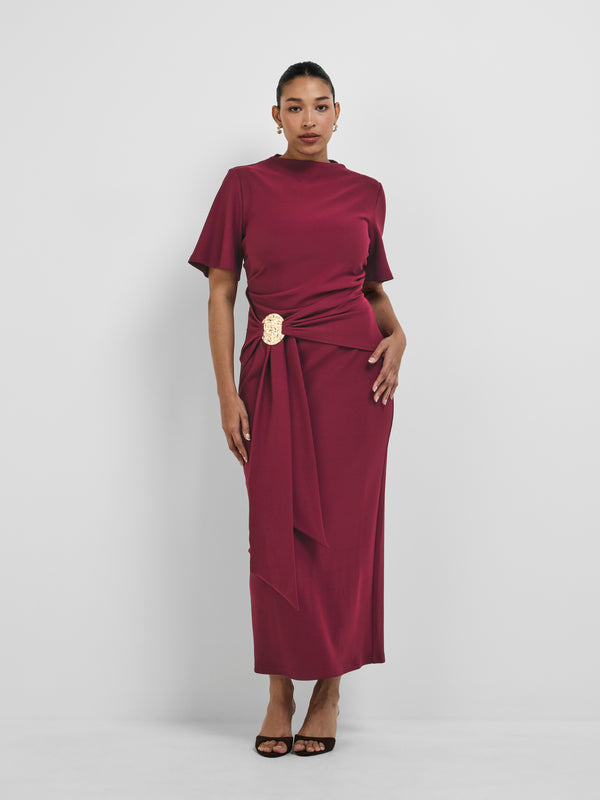
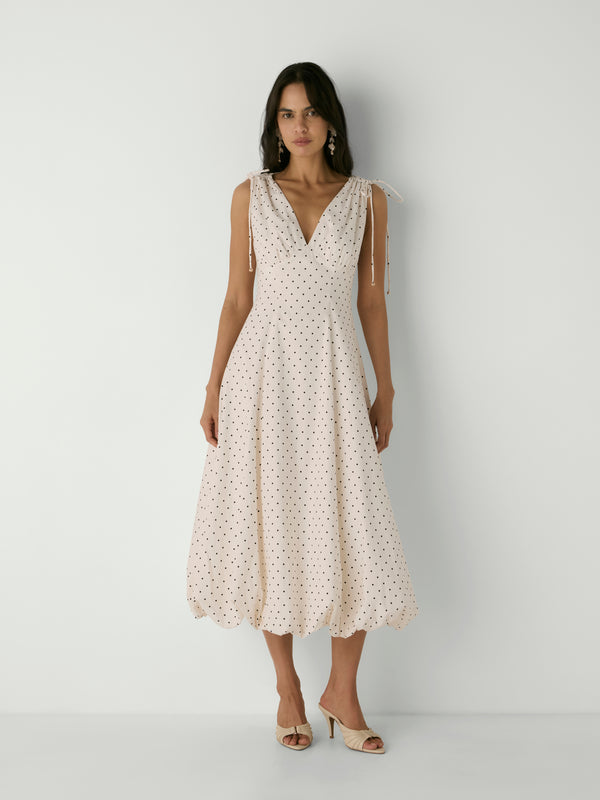
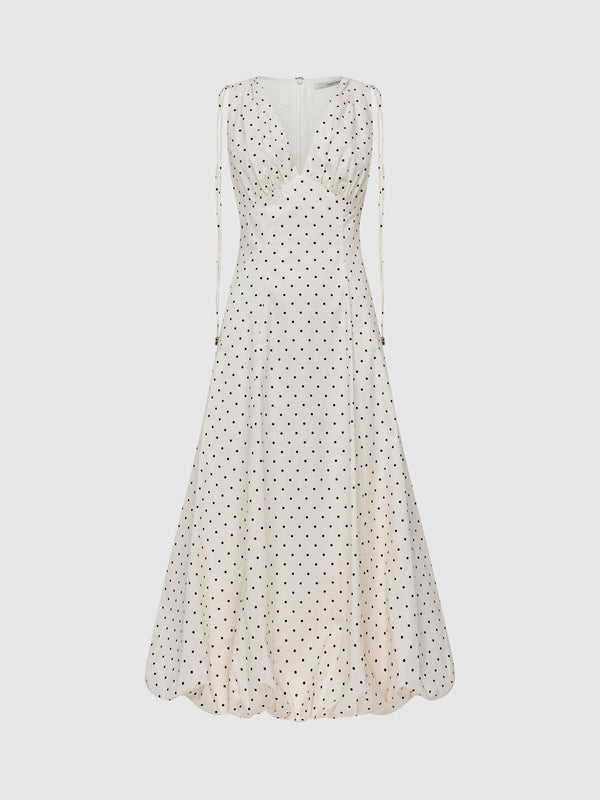
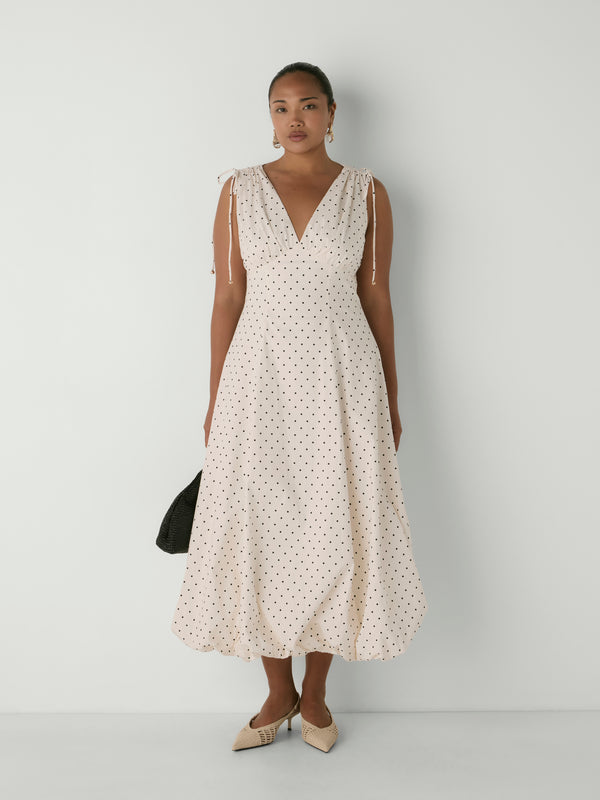
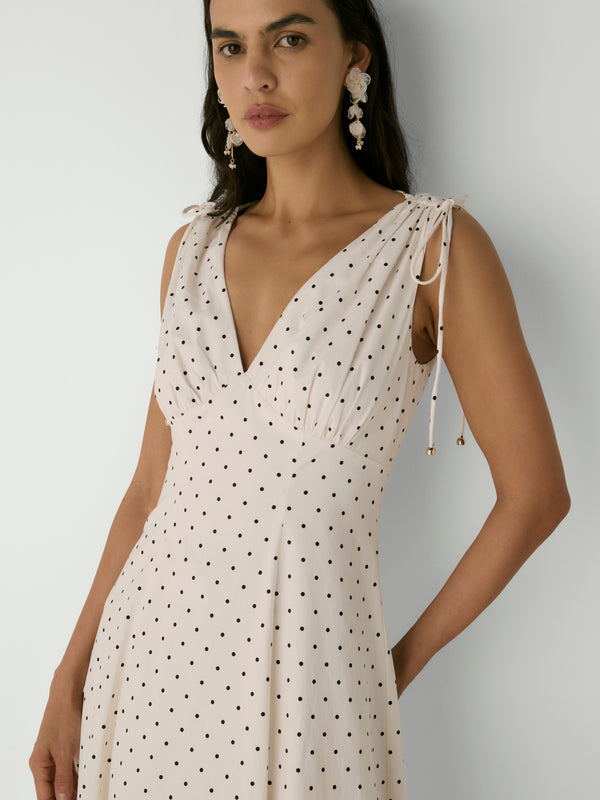
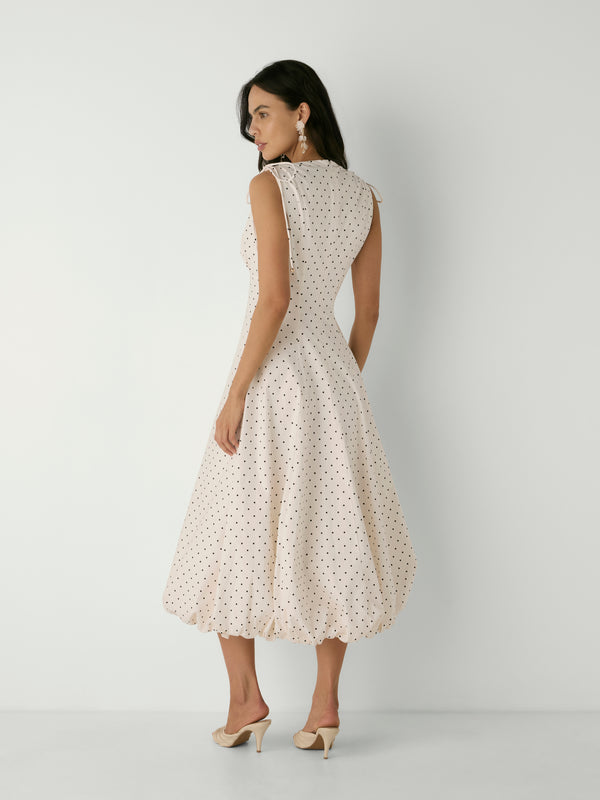
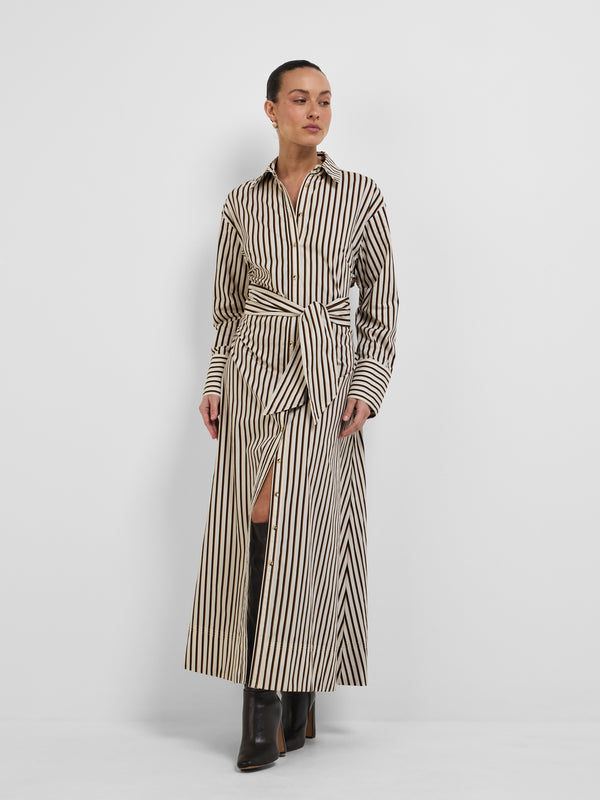
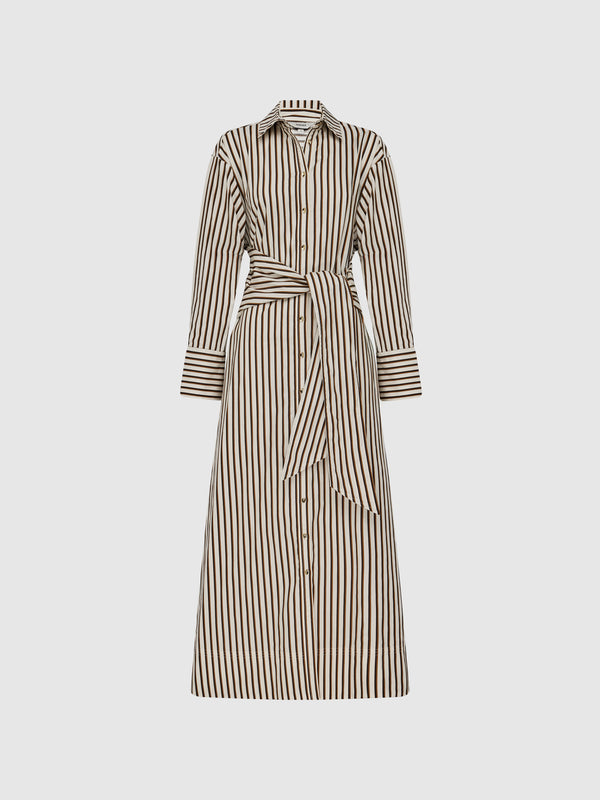
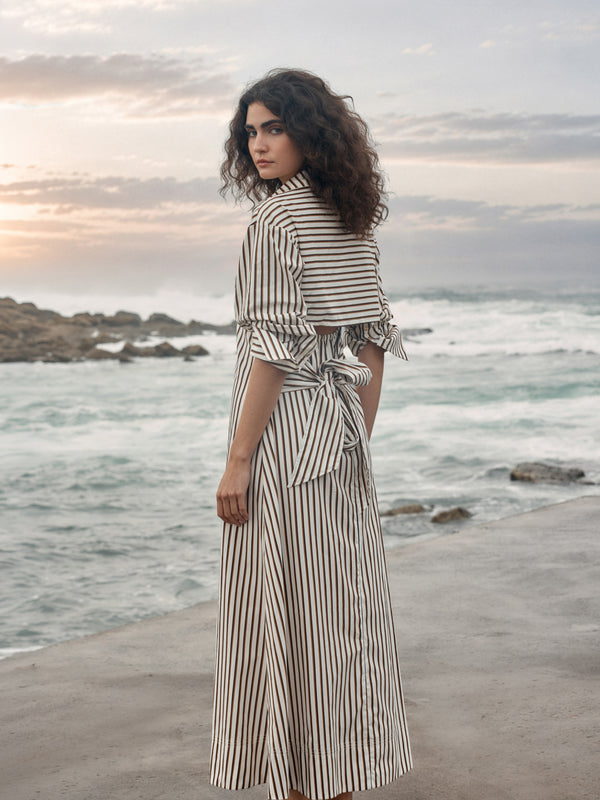
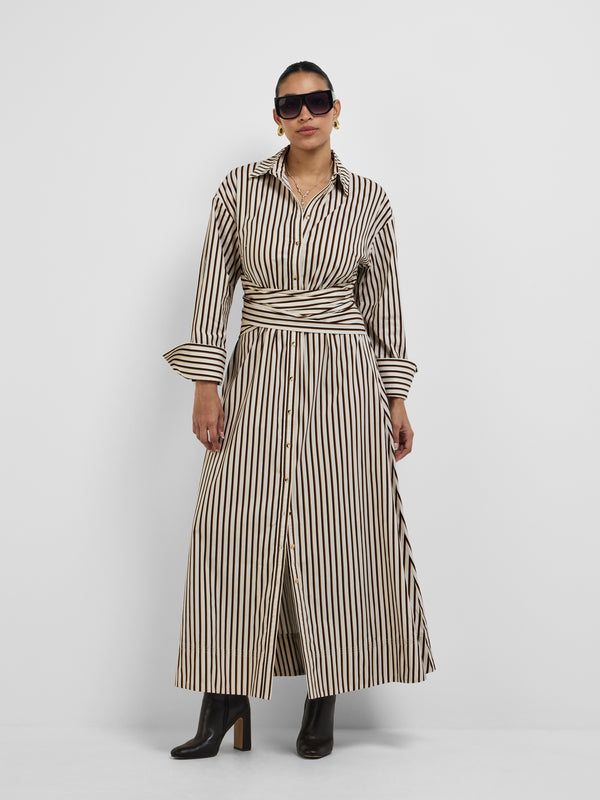
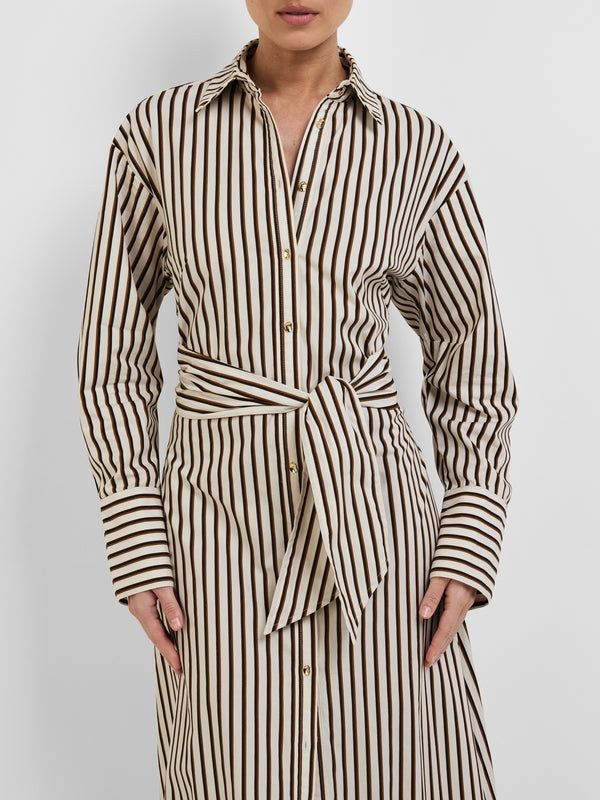
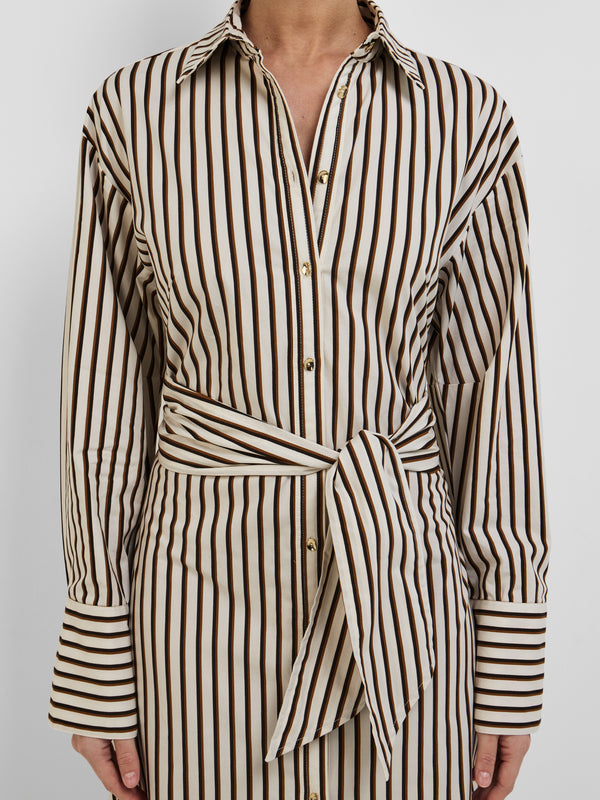
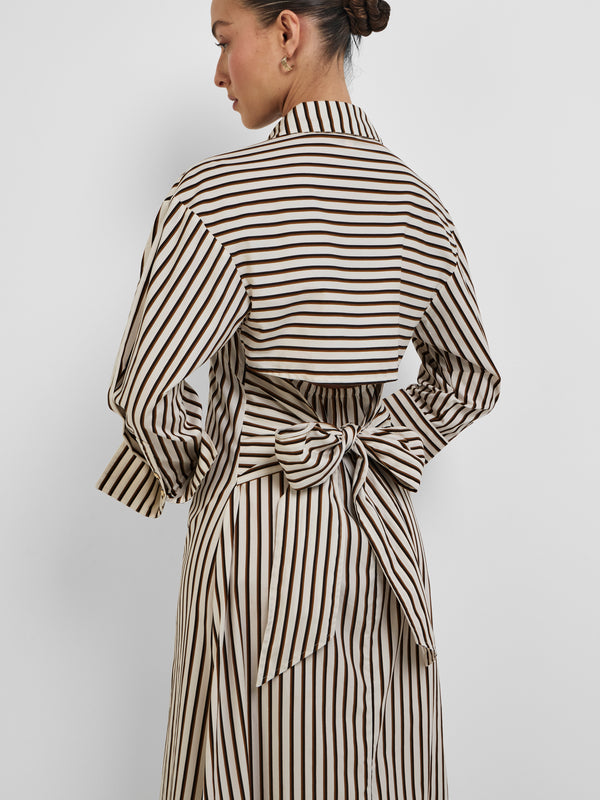
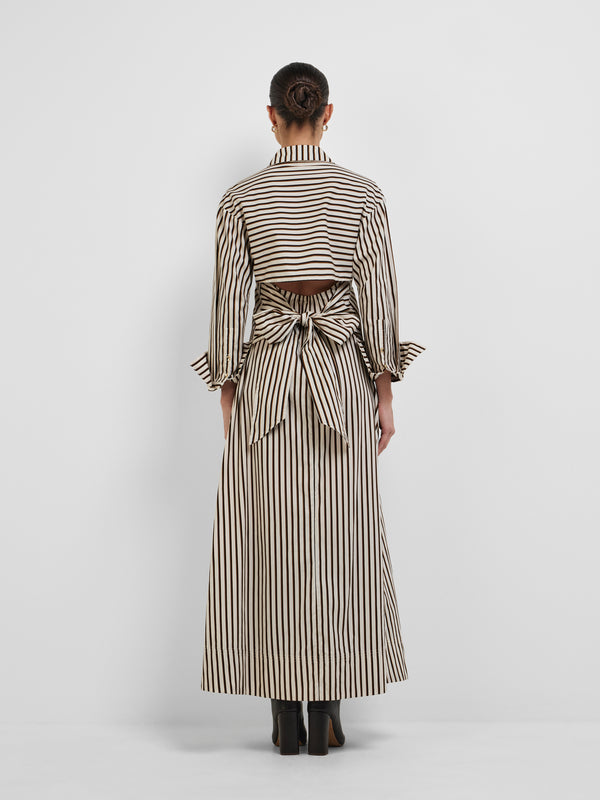
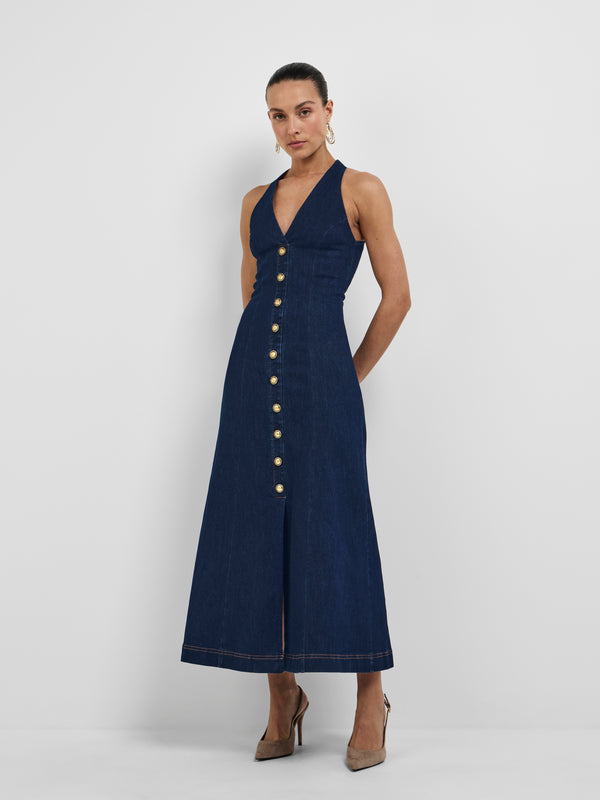
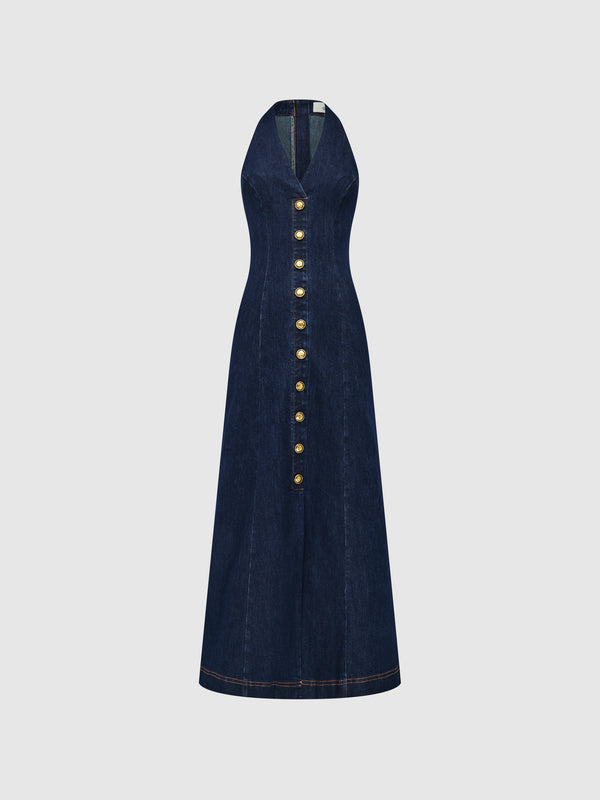
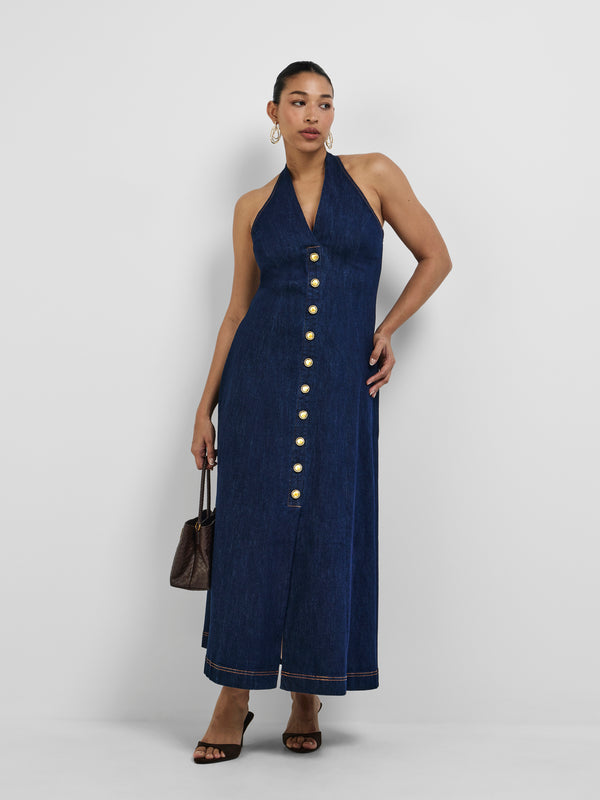
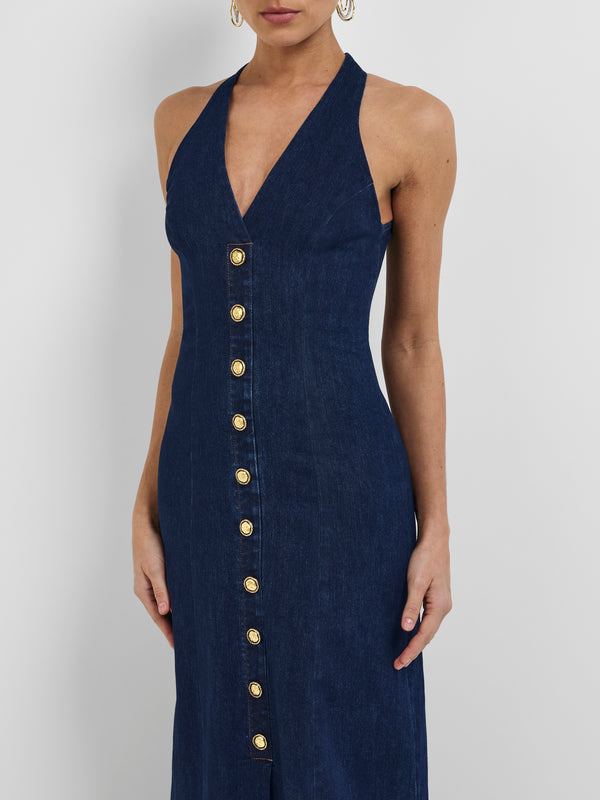
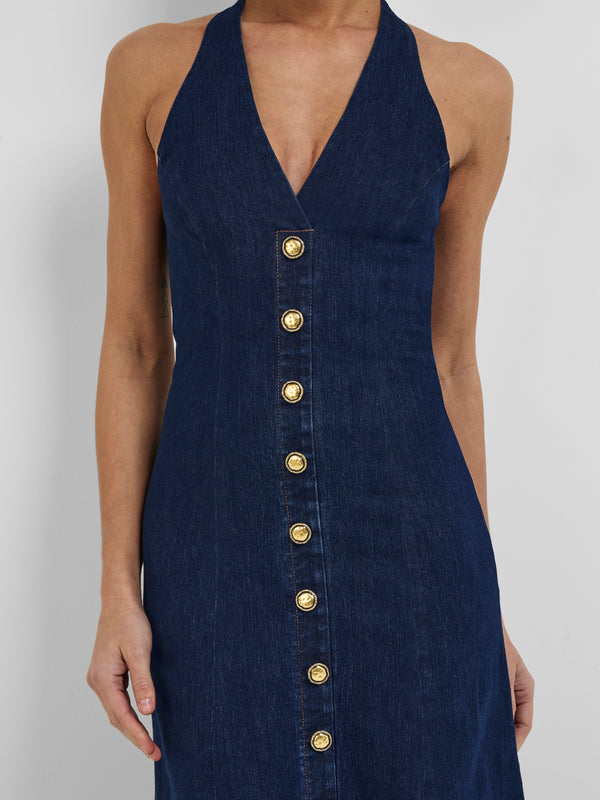
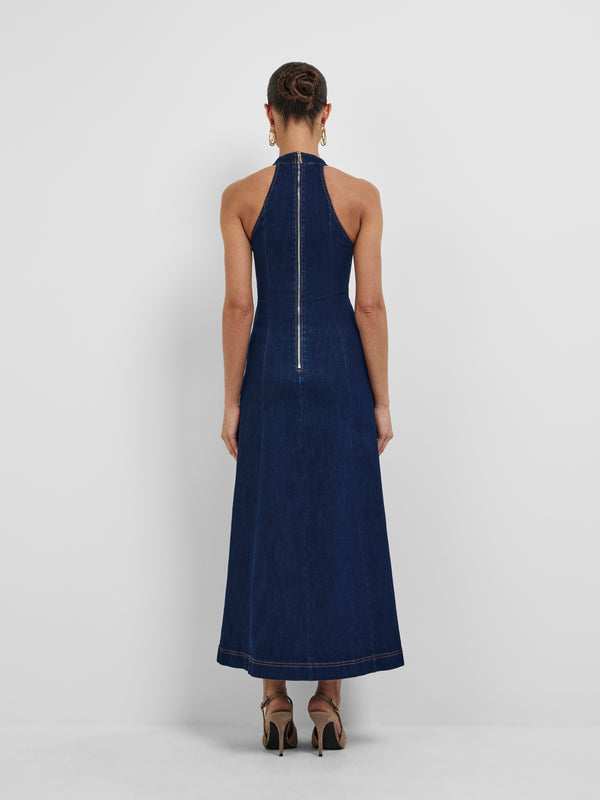
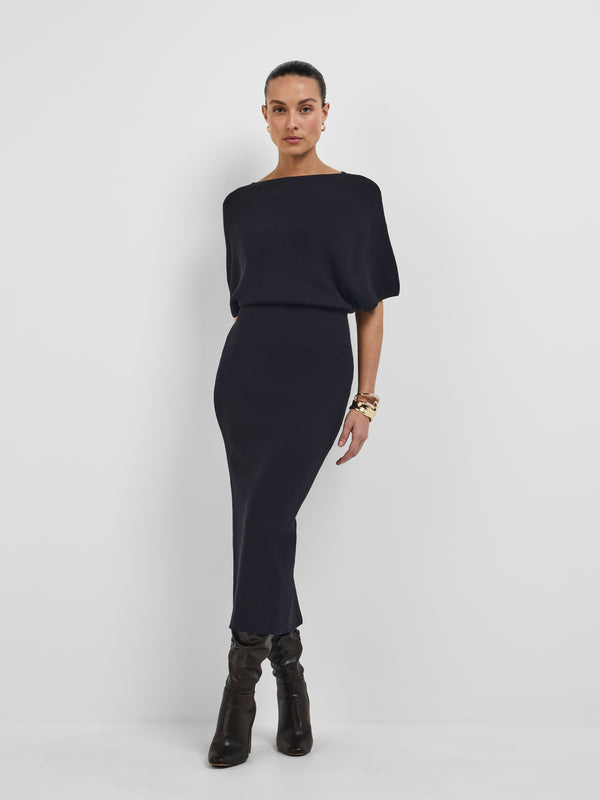
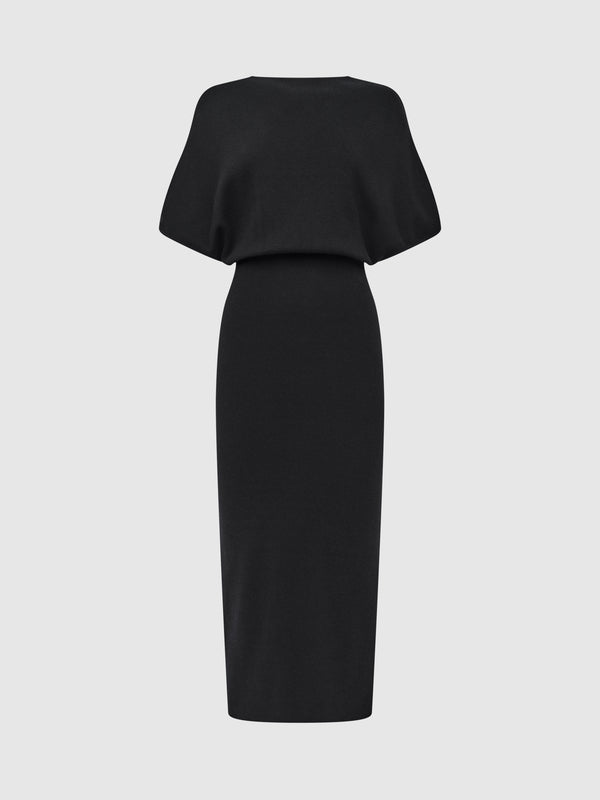
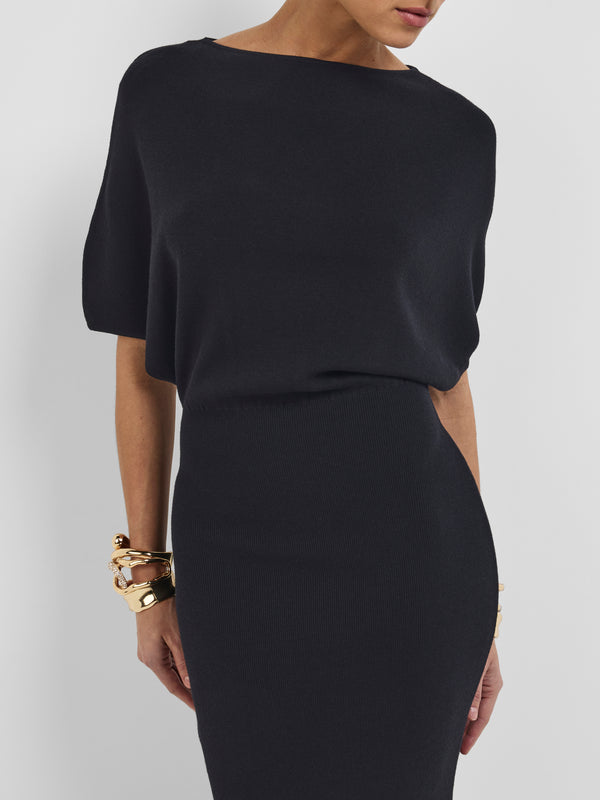
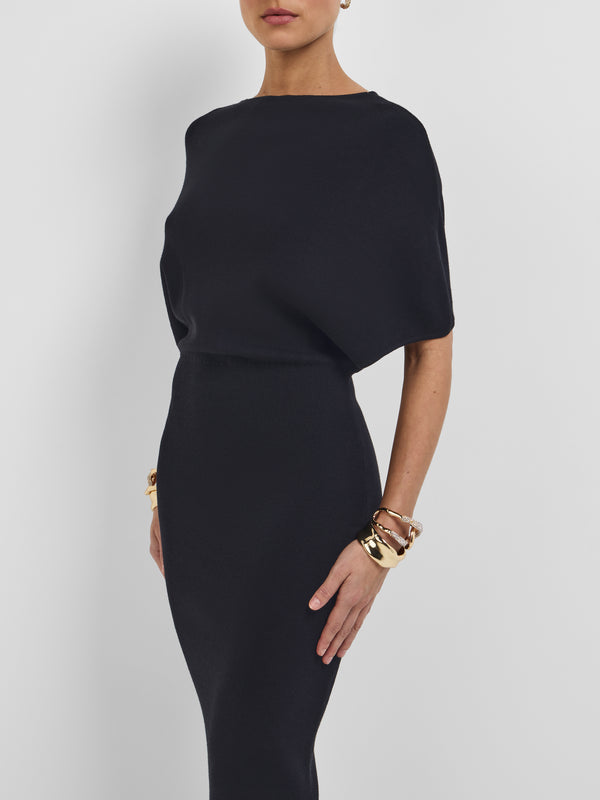
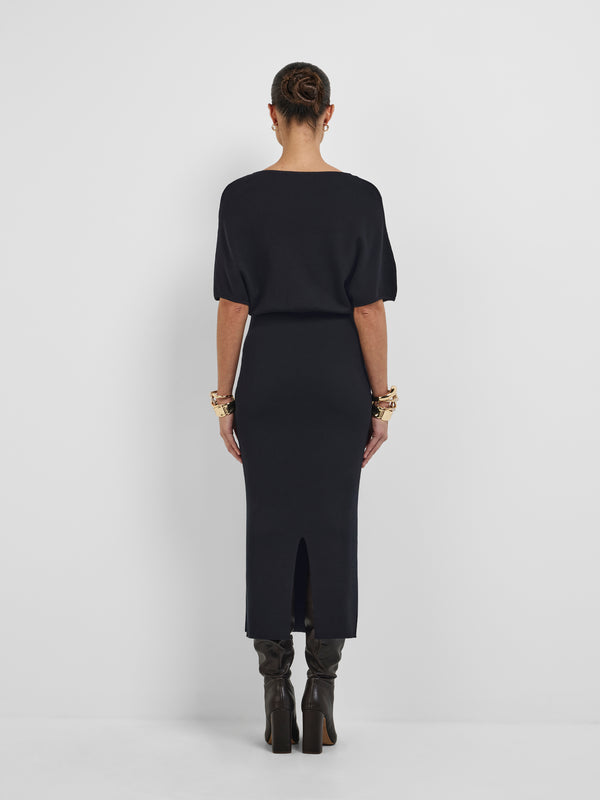
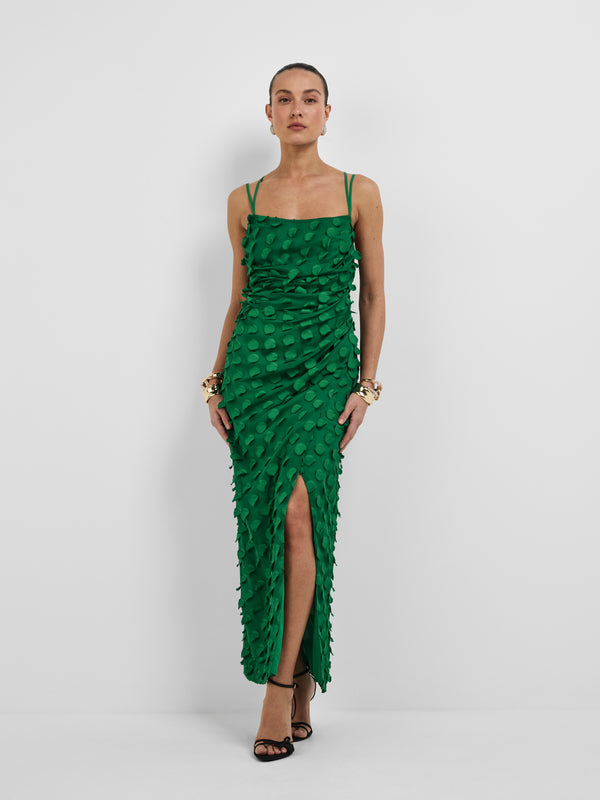
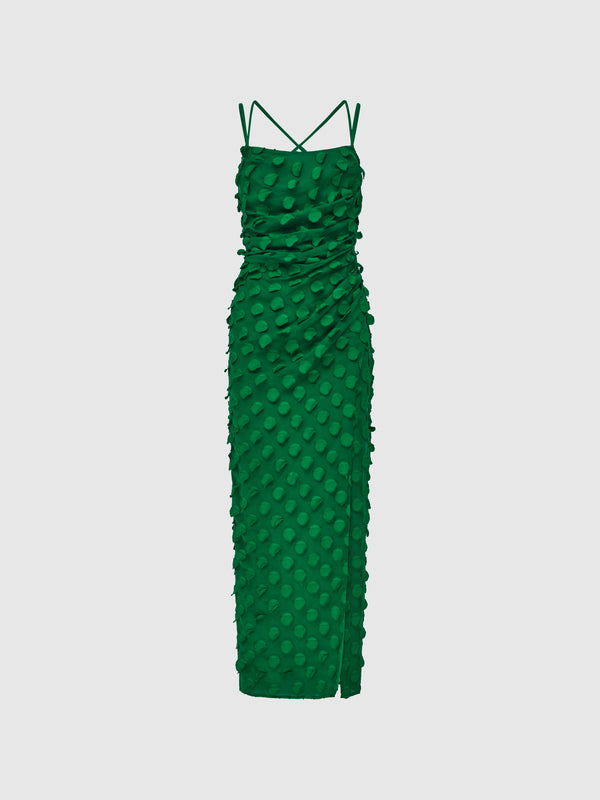
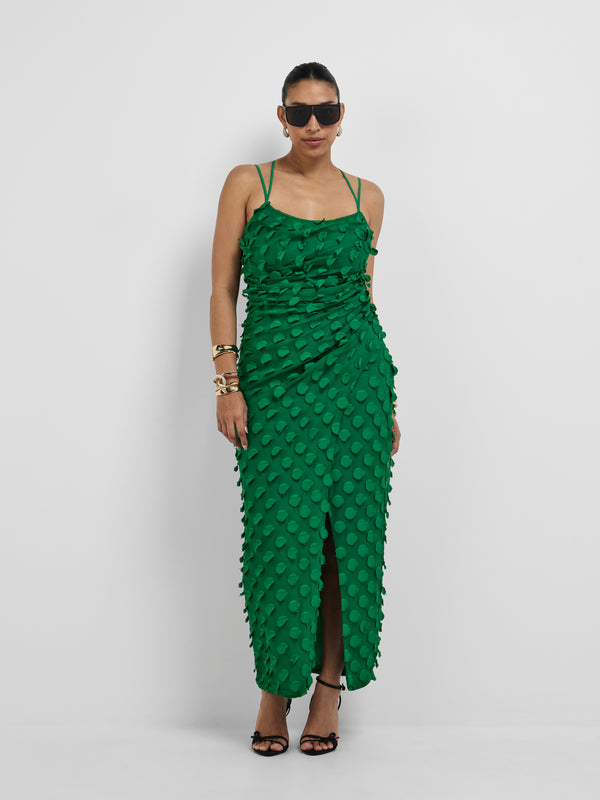
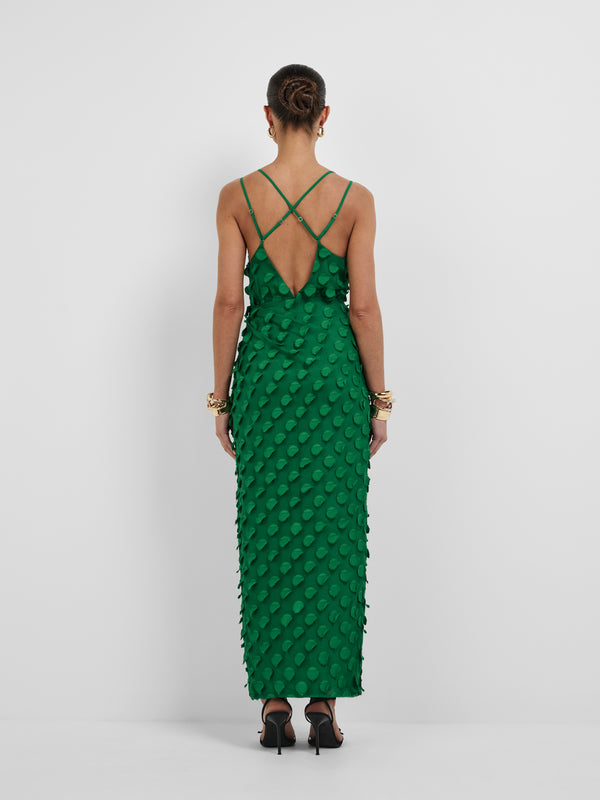
A midi dress is a dress that falls between the knee and the ankle, usually landing mid-calf, making it the middle length of the three standard dress lengths, sitting between mini and maxi. It suits most body types and works equally well for the office or an evening event.

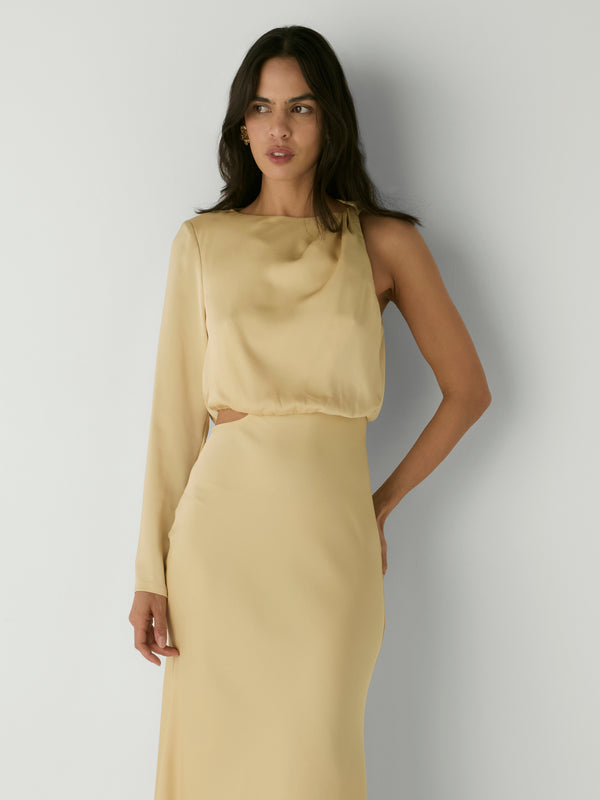
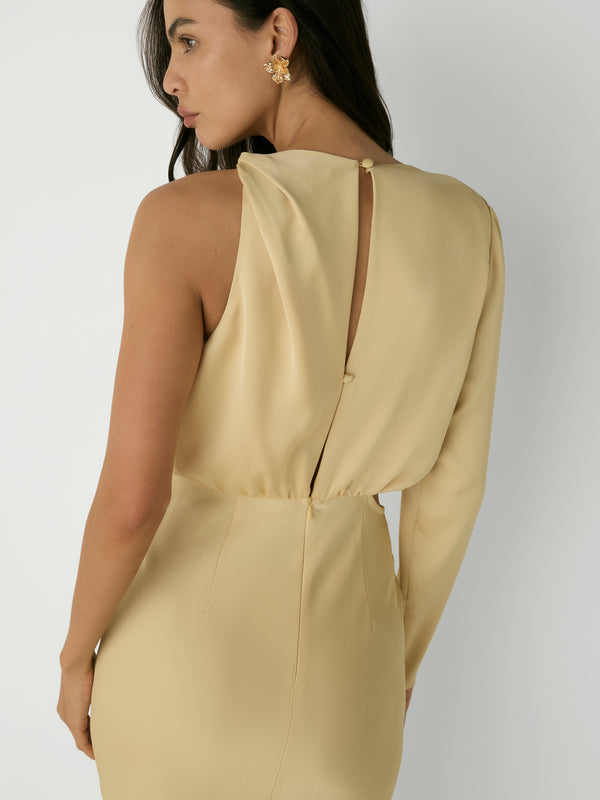
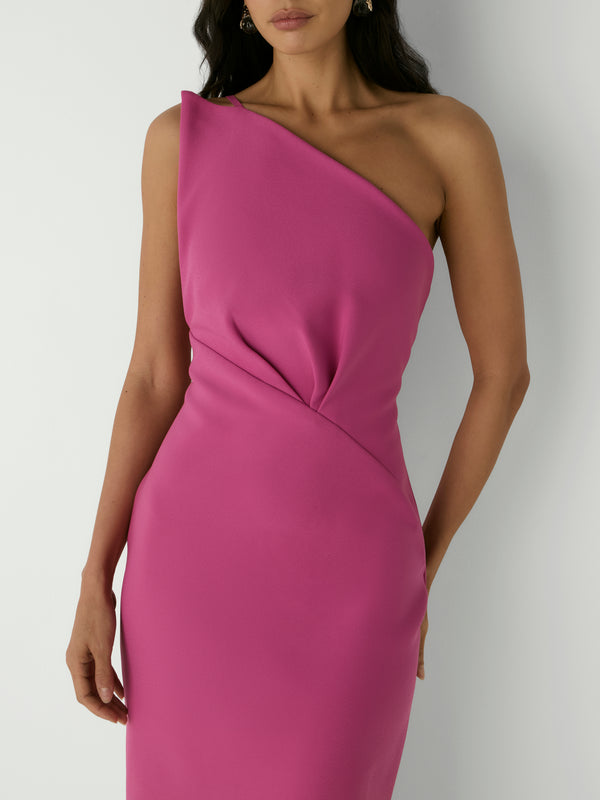
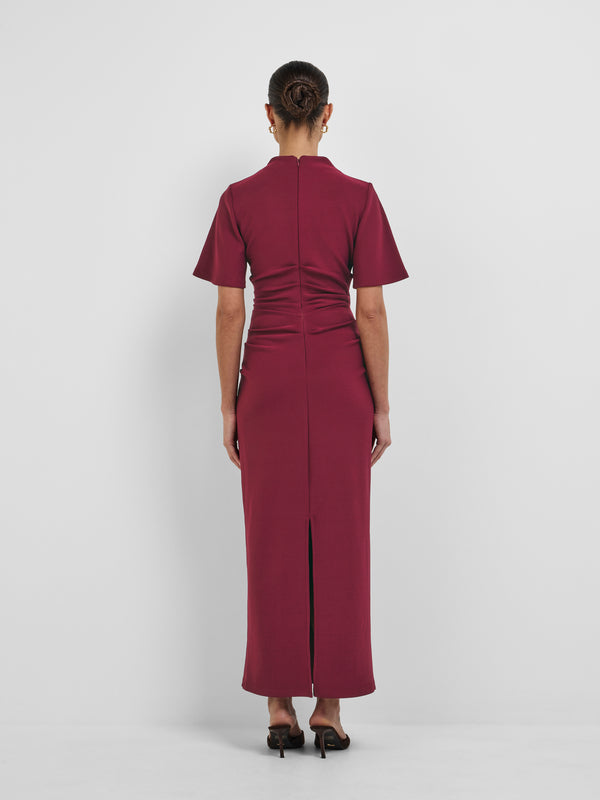
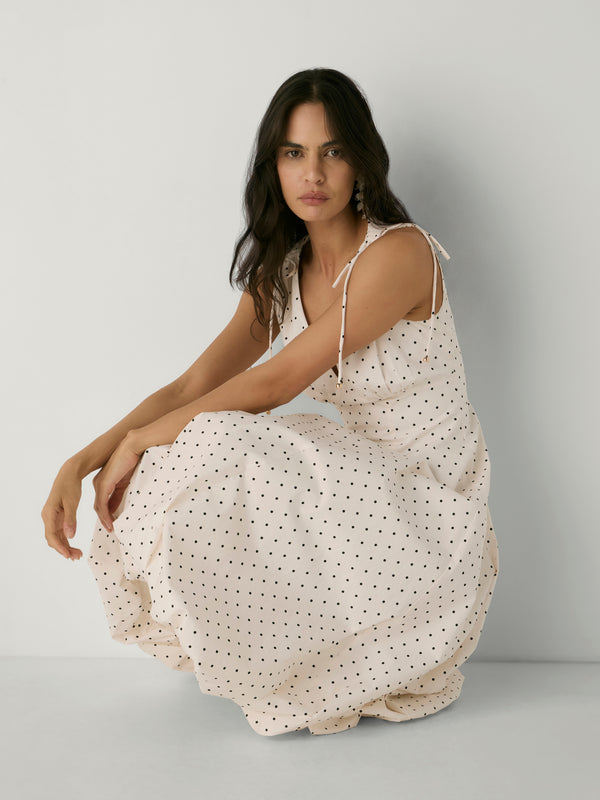
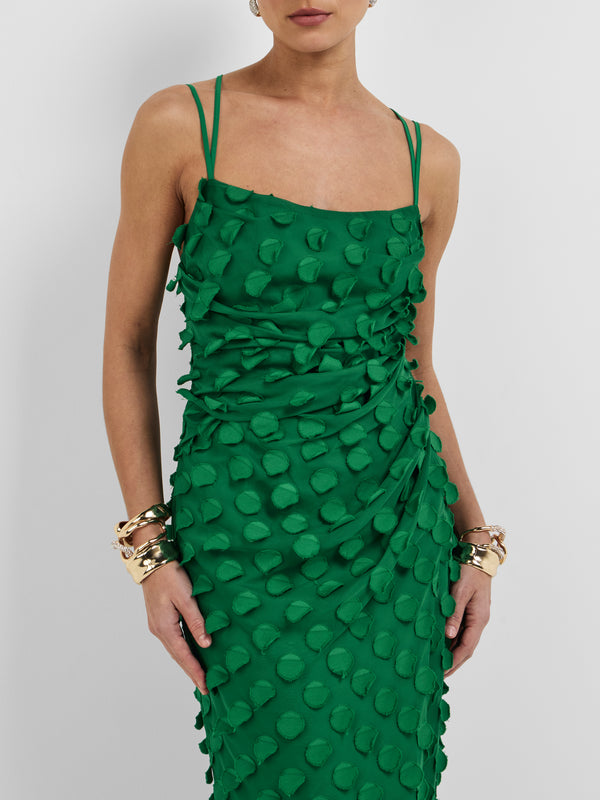
The way a midi is cut changes how it wears just as much as the fabric does.

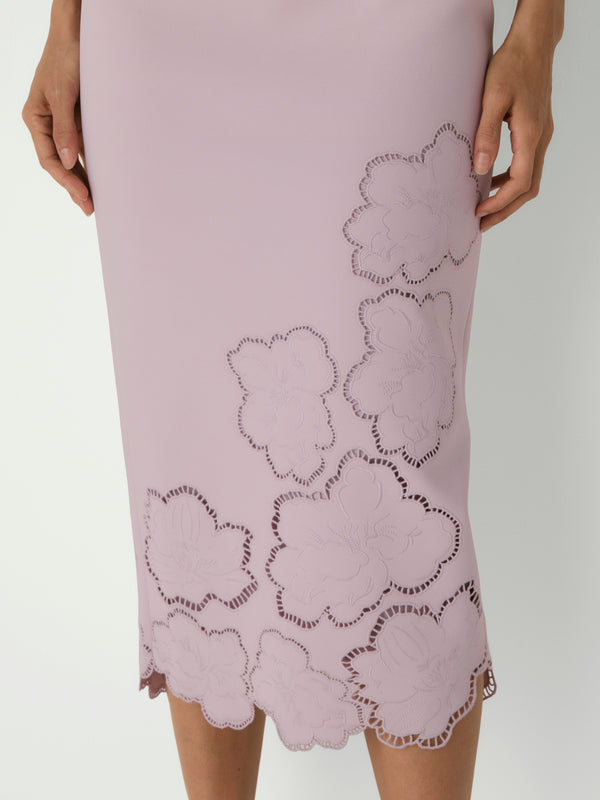
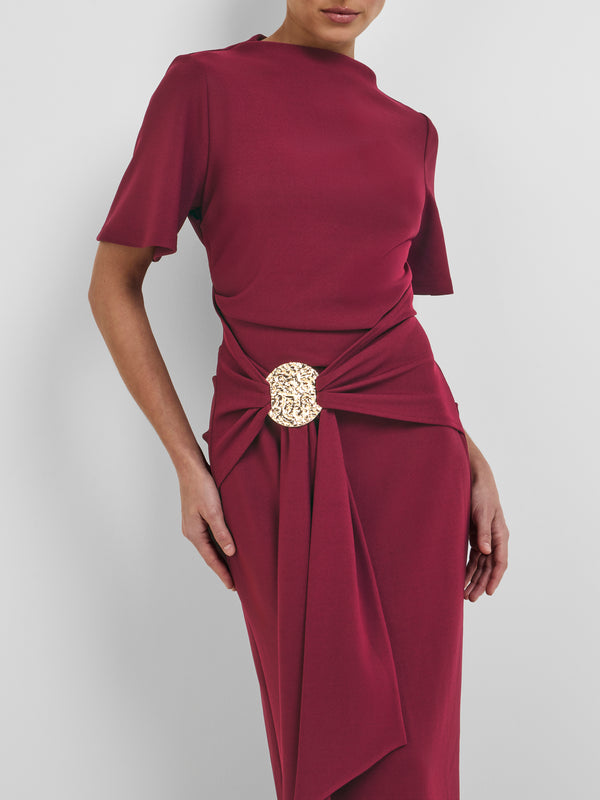
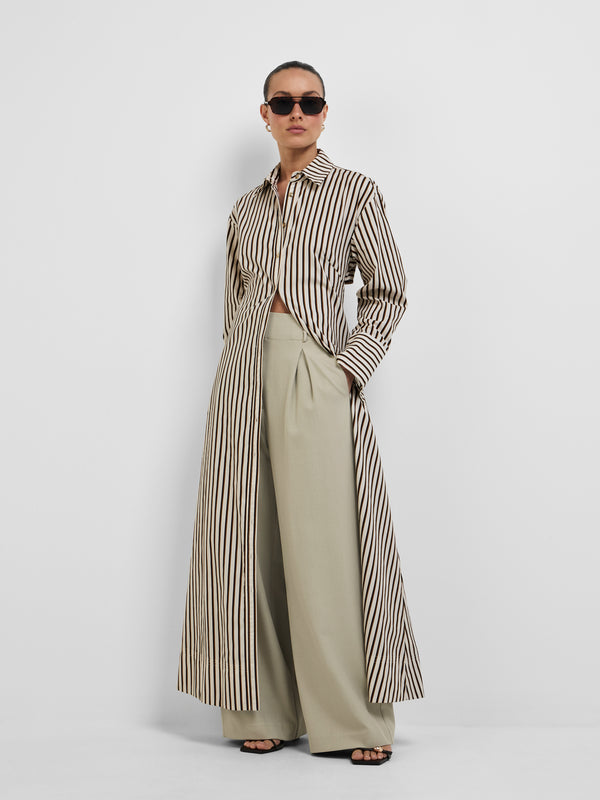
A midi dress does most of the work itself, so styling comes down to what you put with it rather than changing the dress. Flats or loafers keep it casual and office-appropriate, while heels shift the same dress toward evening. A blazer or cardigan adds a work-ready layer, and a belt gives shape to looser cuts that don't already have one. Our midi dresses have options built for both ends of that range.
A few practical details help a midi dress work harder. A slip or half-slip underneath a satin or silk midi stops static clinging and keeps the fabric from sitting oddly against your legs. If the length falls right at the widest part of your calf, a heel usually elongates the leg more than a flat does, though this comes down to personal preference rather than a rule. Through the cooler months, opaque tights or boots work well with a midi without needing to change the length or reach for a different dress altogether.

The difference between the three comes down to hemline. A mini finishes at or above the knee, a midi sits between the knee and the ankle, and a maxi runs to the ankle or floor. Midi tends to be the safest choice when you're not sure what a dress code actually means, since it reads as neither too casual nor too formal. If you're comparing all three before deciding, browse the full dresses collection.
Yes, a midi dress is one of the safest choices for the office, especially in a structured fabric like cotton or ponte. Add a blazer or cardigan if your workplace prefers something more covered.
Yes, though where exactly the hem lands matters. A midi that hits mid-calf can shorten a petite frame, so look for one that sits closer to the ankle, or add a heel to lengthen the leg.
Yes, a midi dress works well for a wedding guest and, in the right fabric, for a bride having a smaller ceremony. For a daytime wedding, a lighter fabric and colour usually reads better than anything too formal.
Tea length usually sits a little higher than a typical midi, closer to mid-calf or just below the knee, and often has a fuller, more vintage-inspired skirt. Midi covers a broader range of lengths and silhouettes.
Flats, loafers or block heels work for daytime, while a heeled sandal or a pointed heel dresses the same dress up for evening.