Fashion
Maxi vs Midi vs Mini: Dress Length Guide
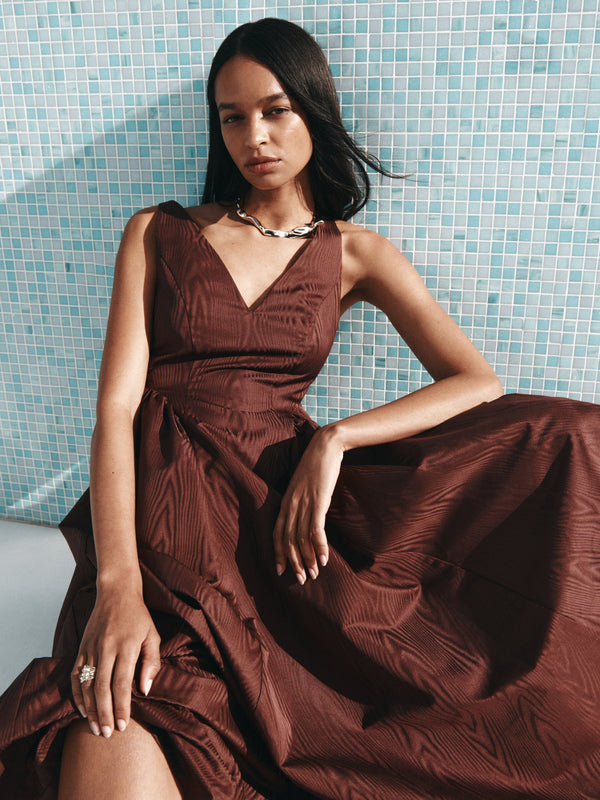
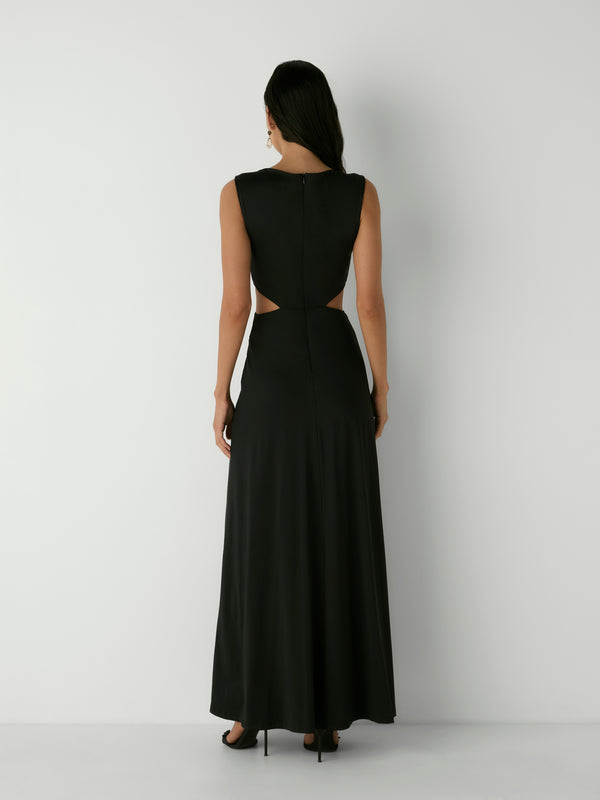
A maxi dress is a dress that falls to the ankle or the floor, the longest of the three standard dress lengths. Midi dresses sit somewhere between the knee and the ankle, and mini dresses finish at or above the knee. The length you pick changes how a dress feels and where you can wear it.

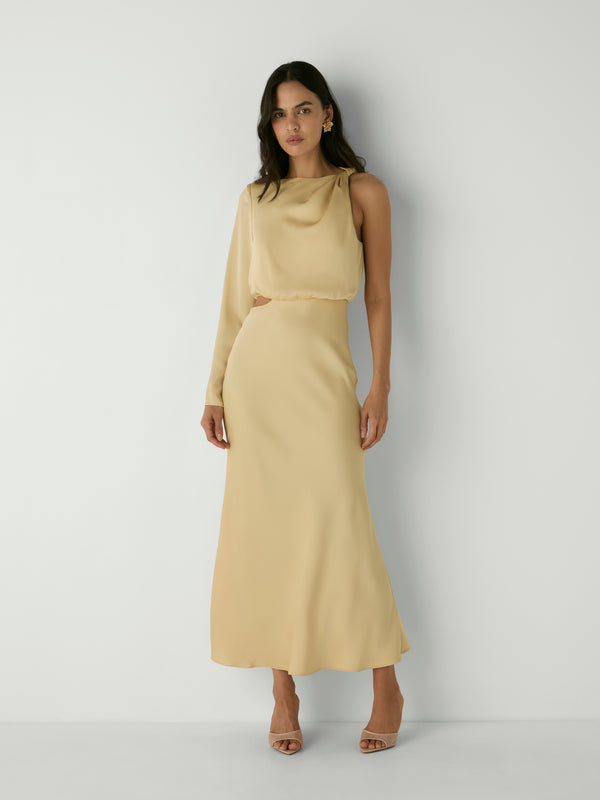
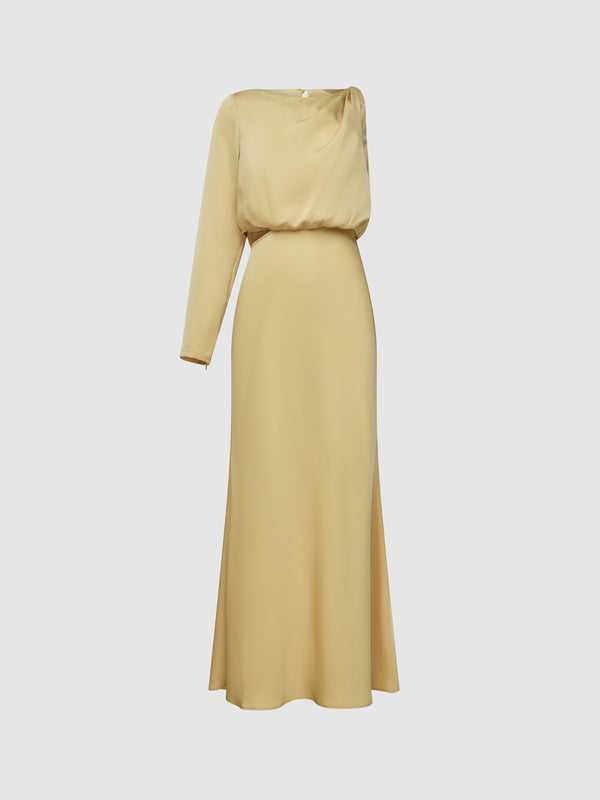
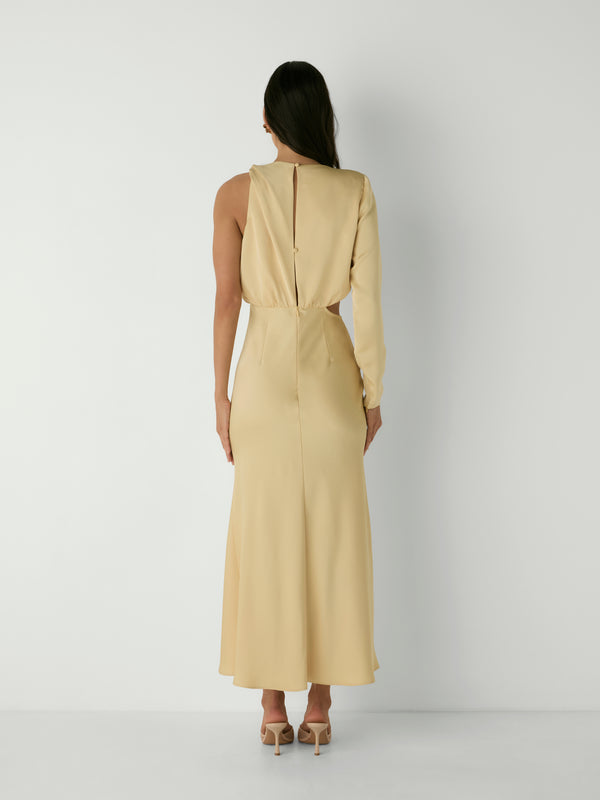
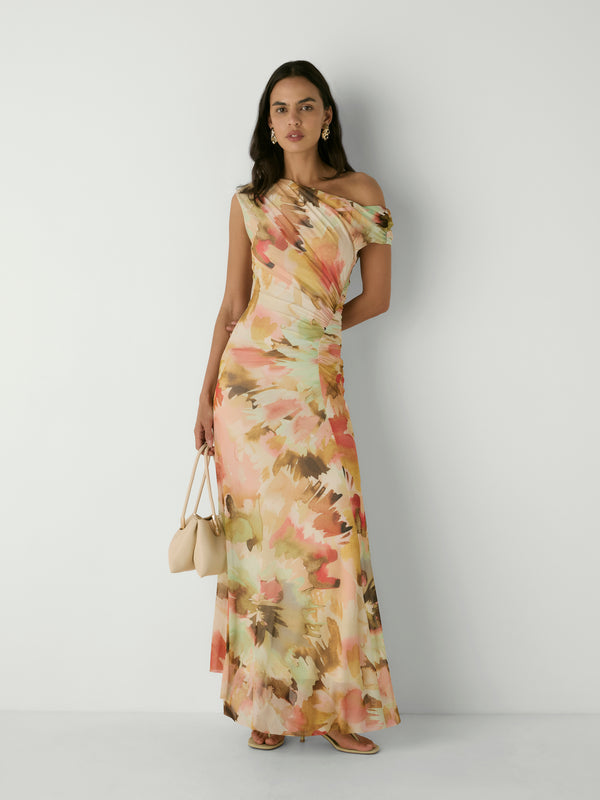
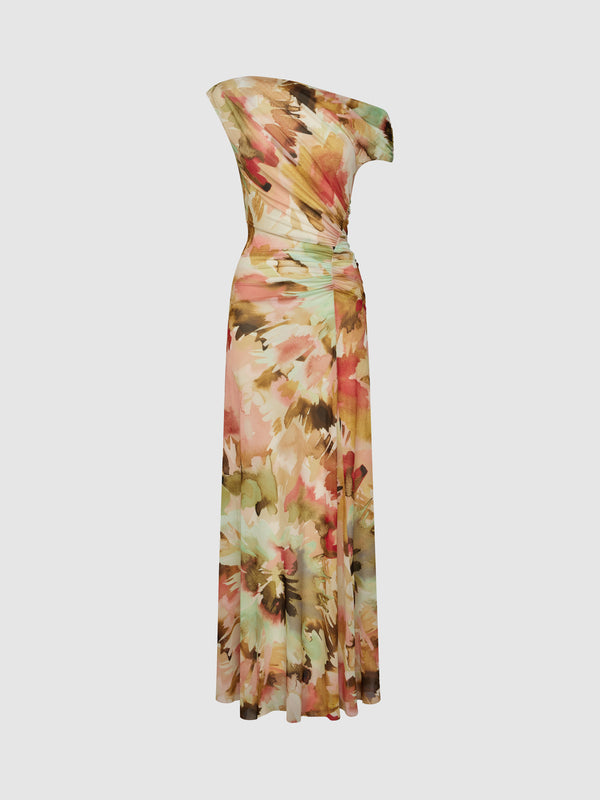
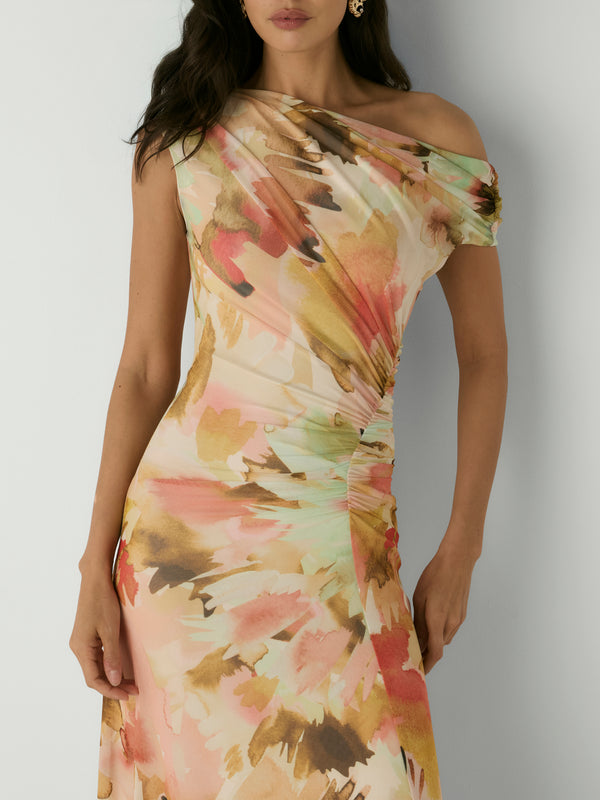
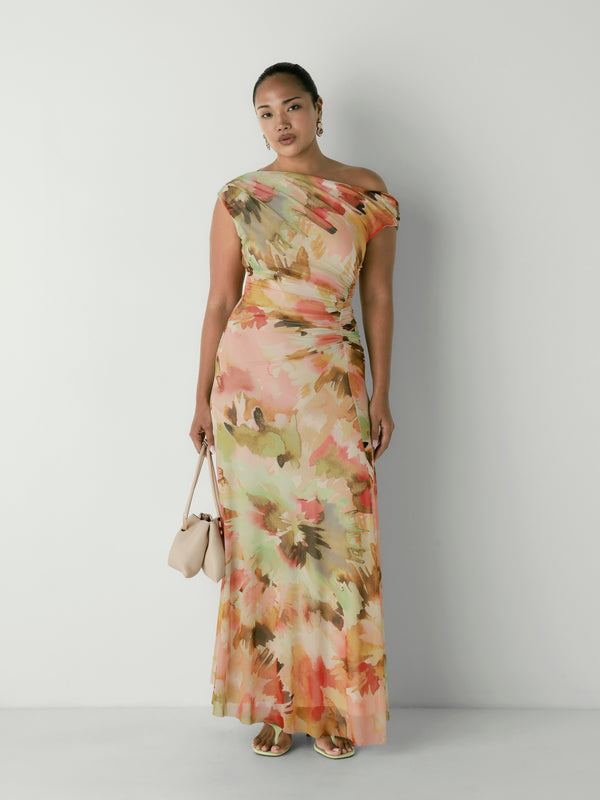
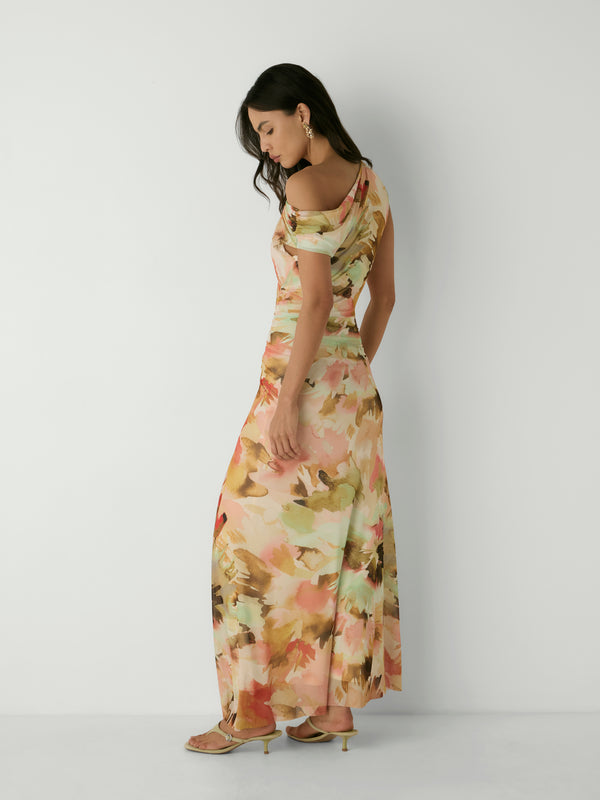
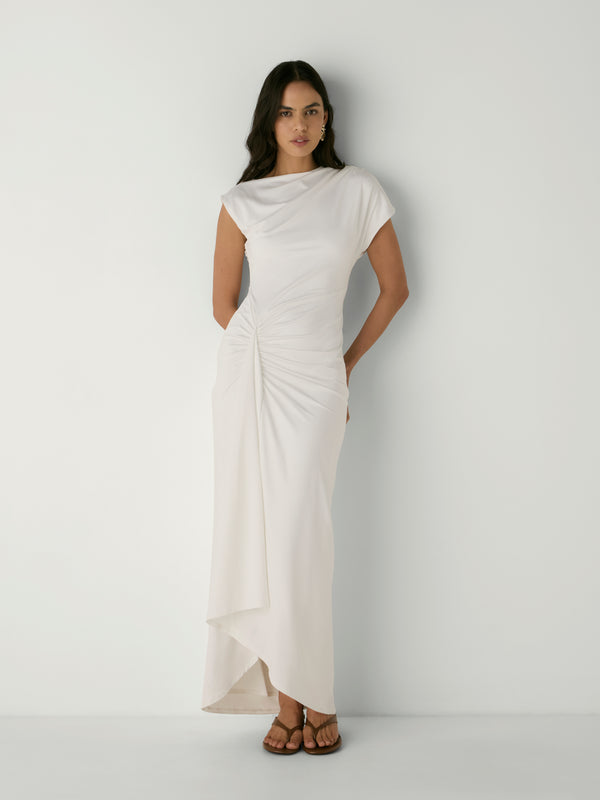
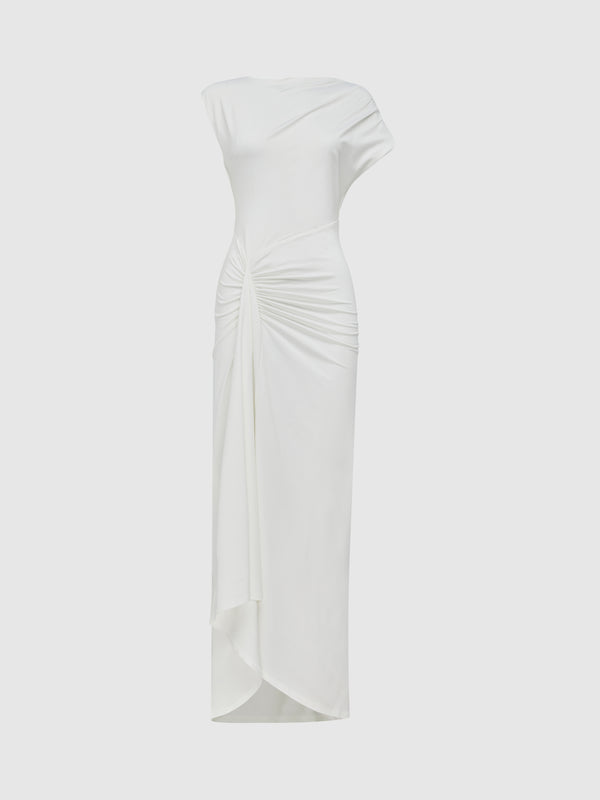
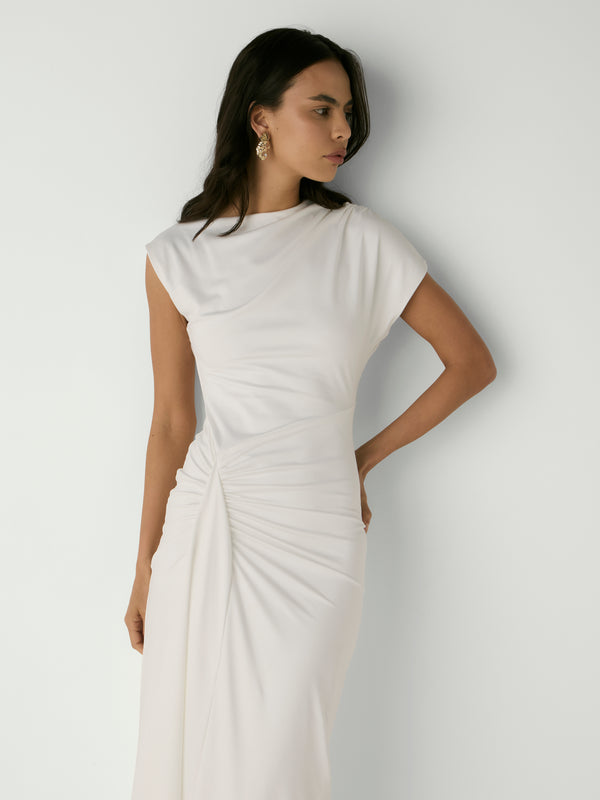
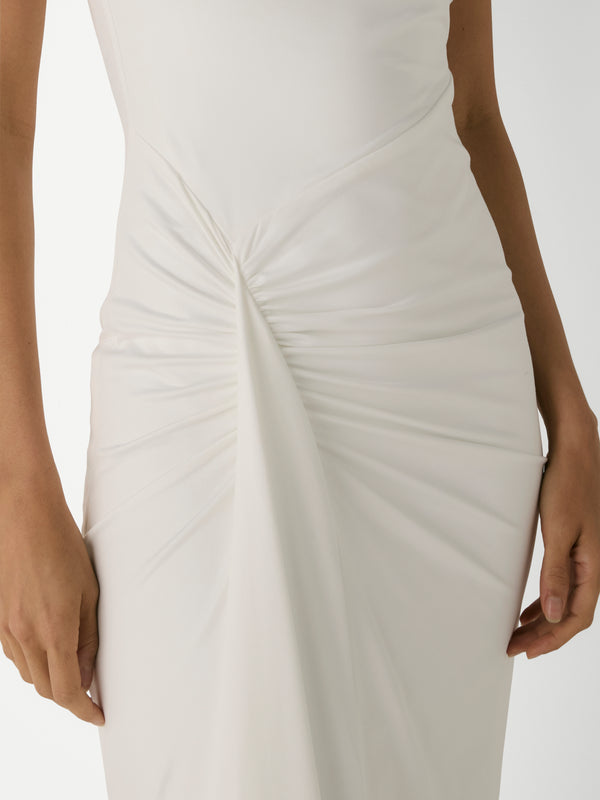
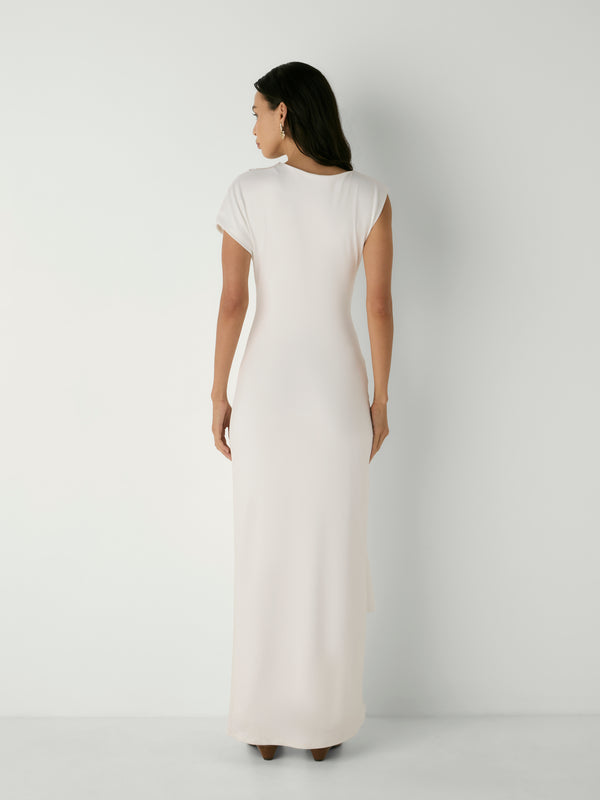
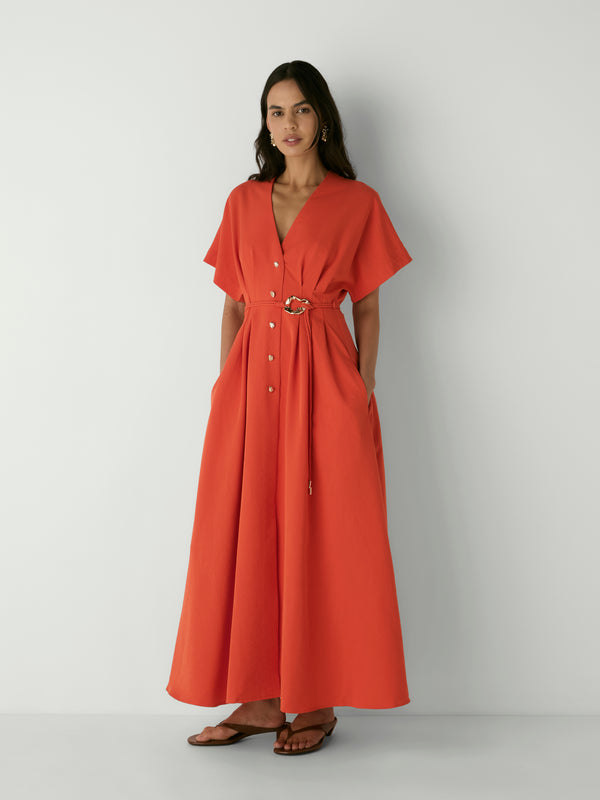
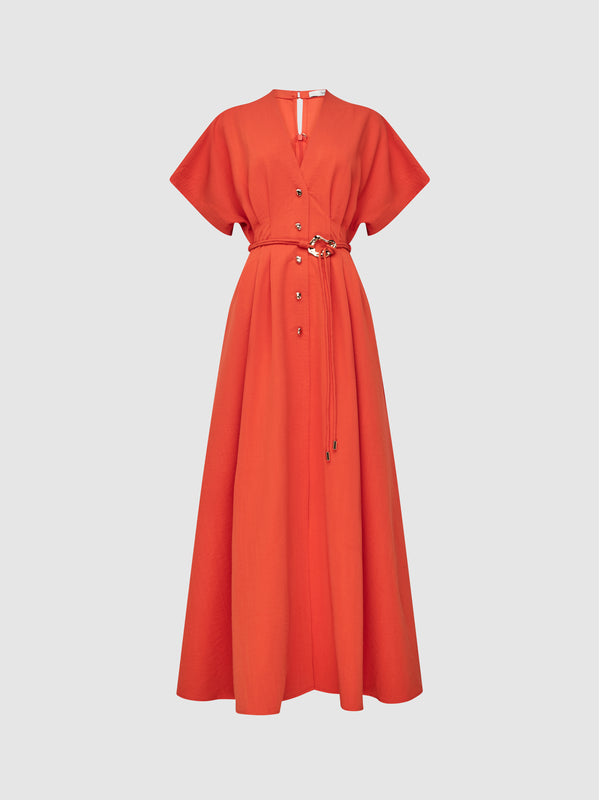
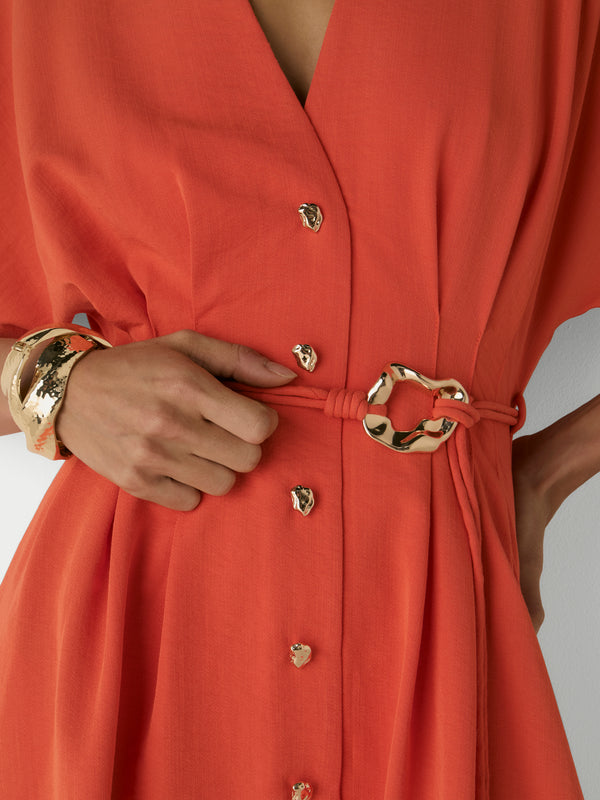
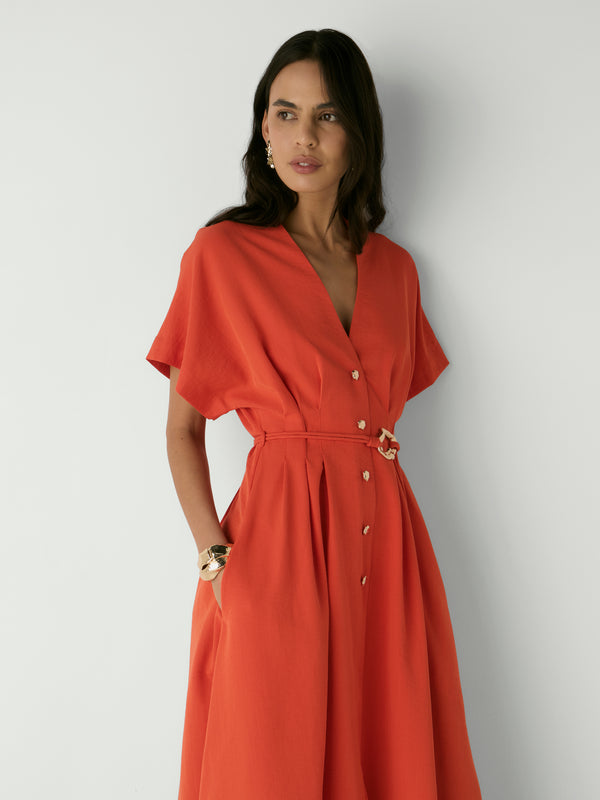
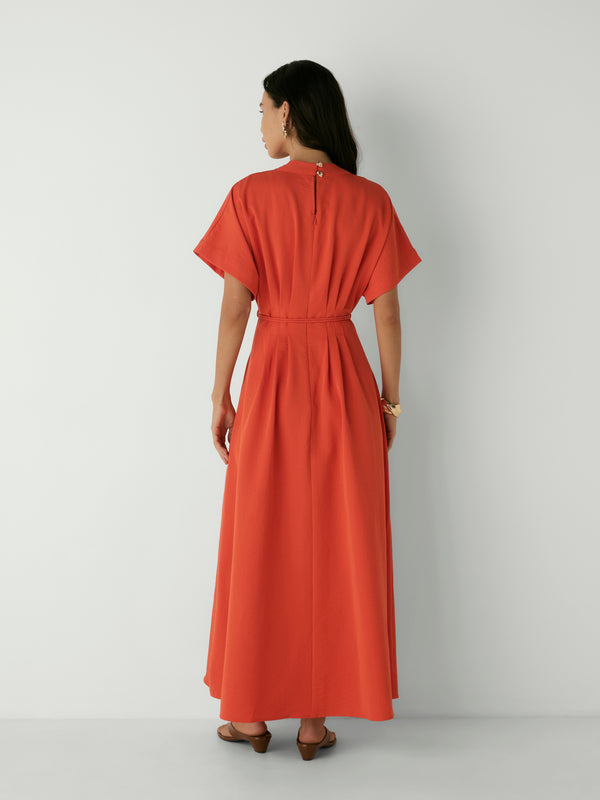
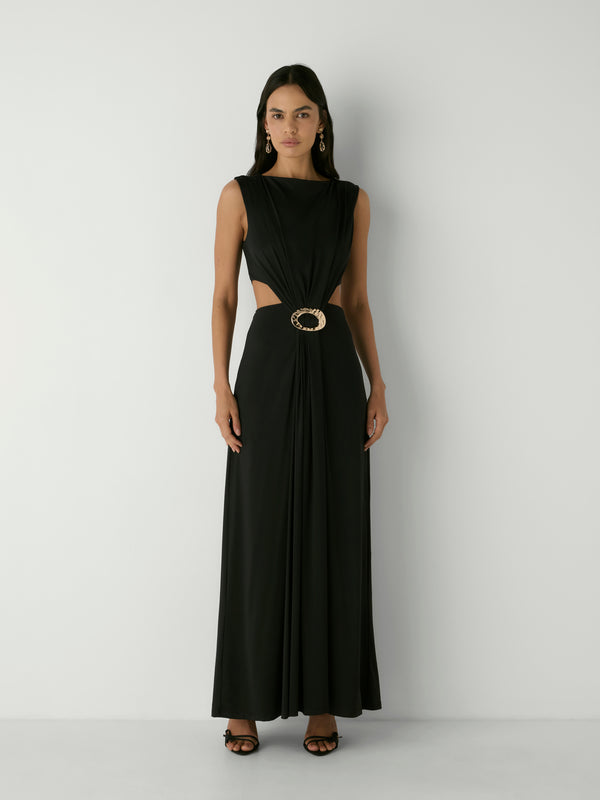
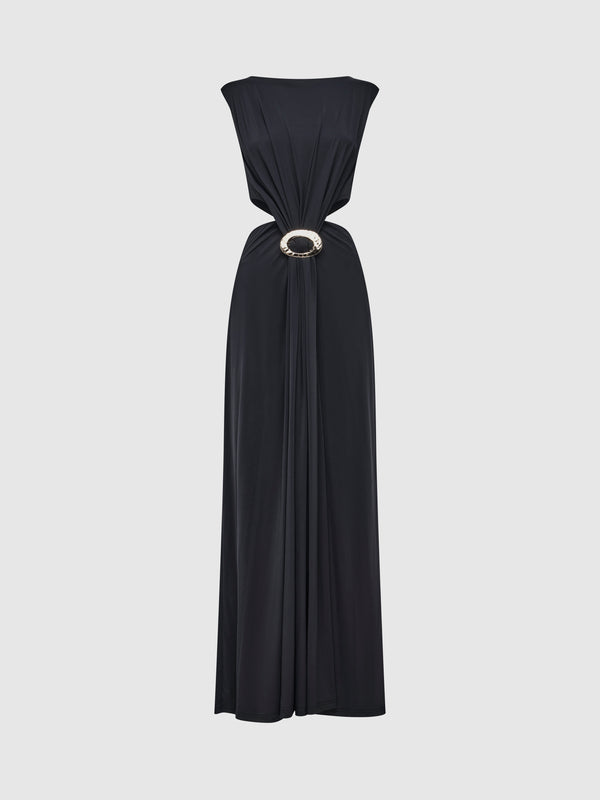
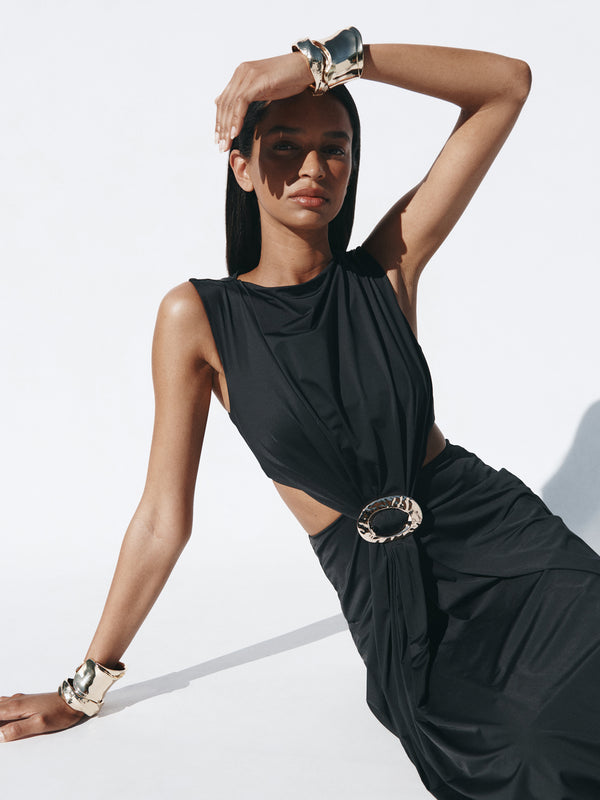
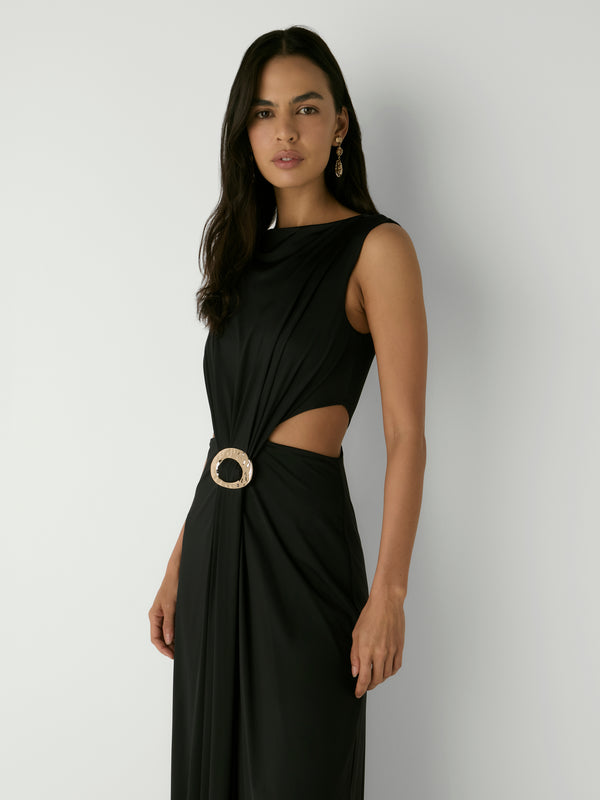
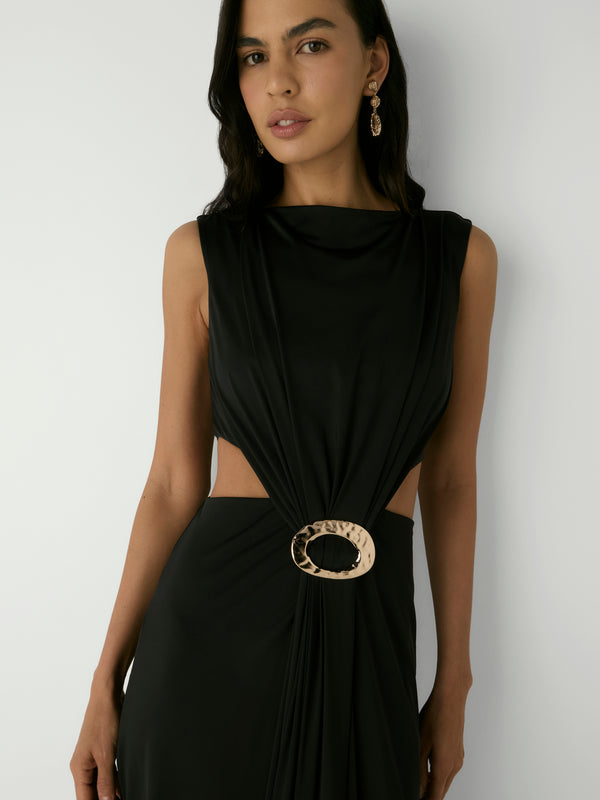
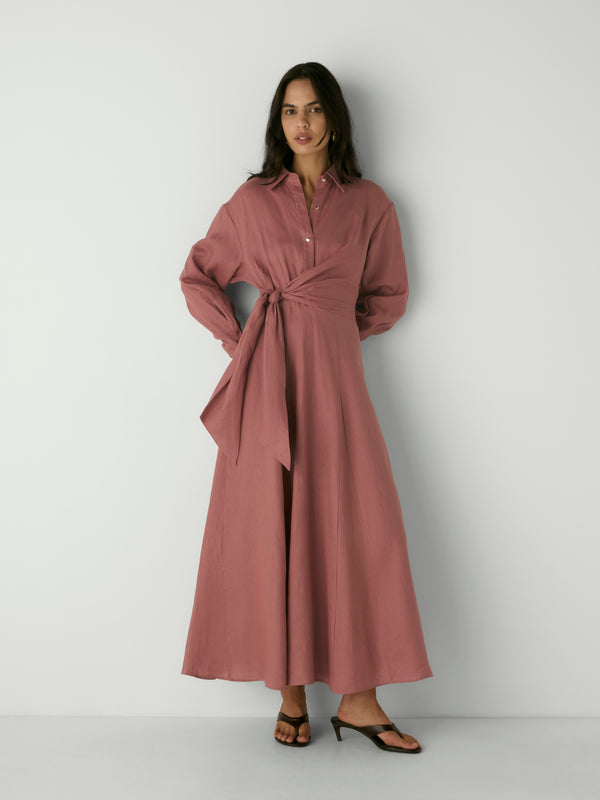
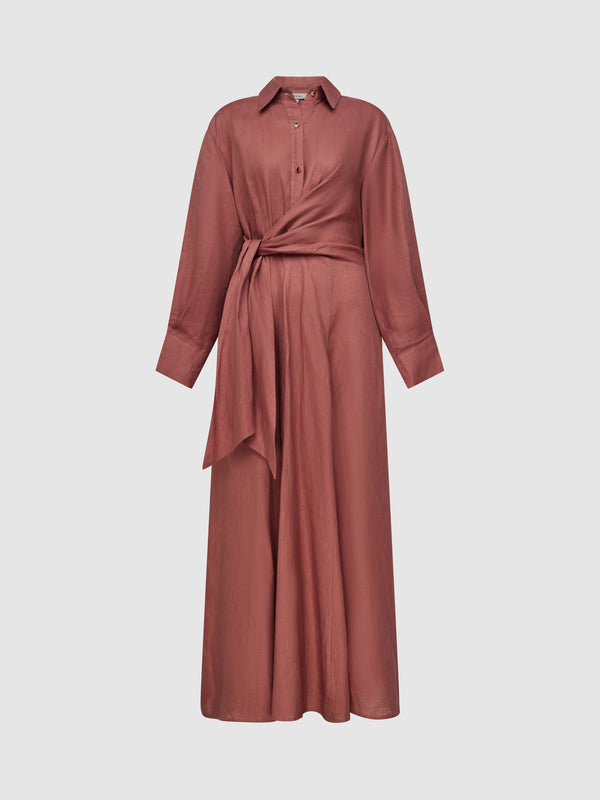
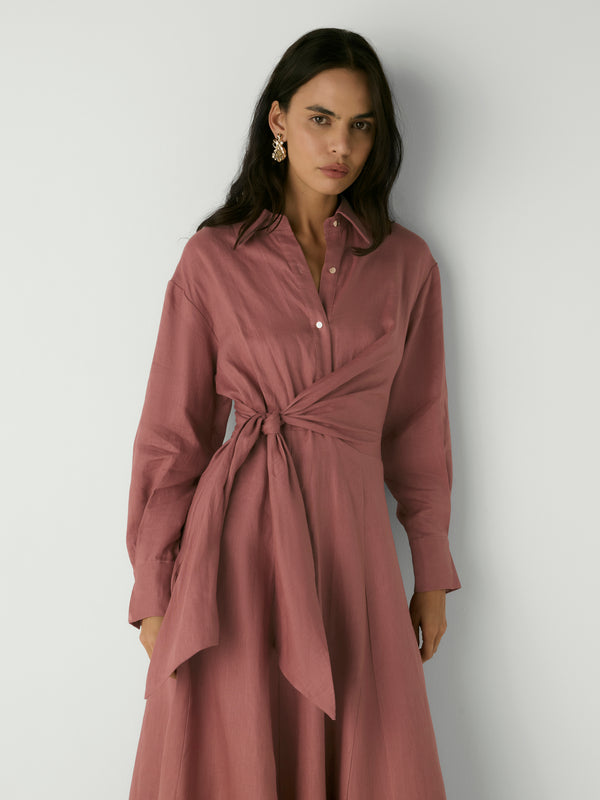
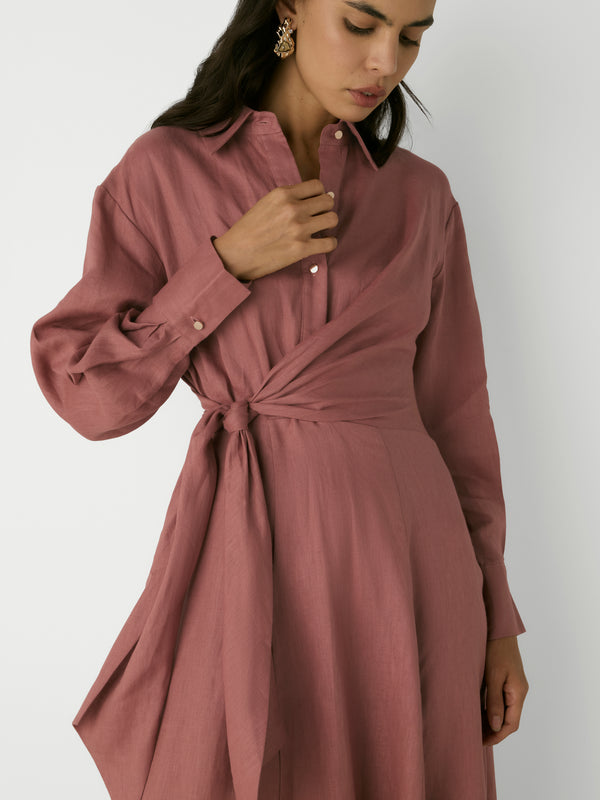
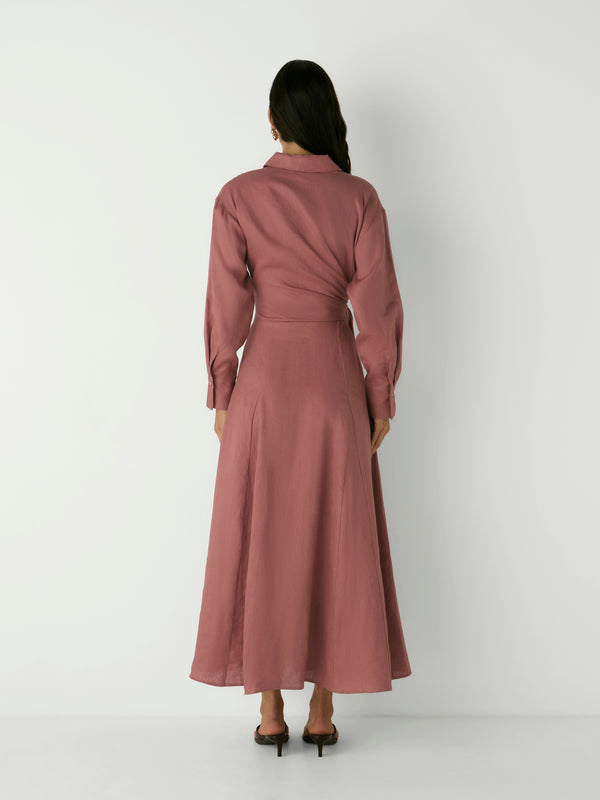
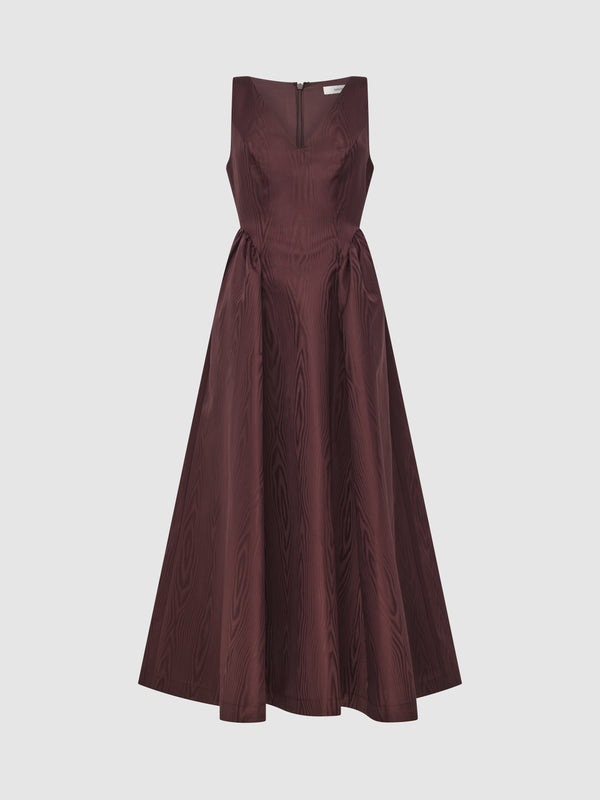
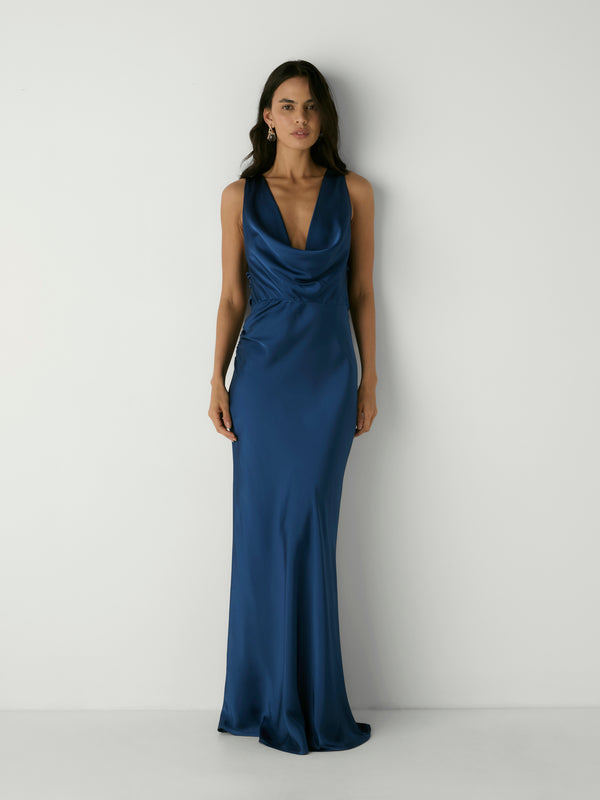
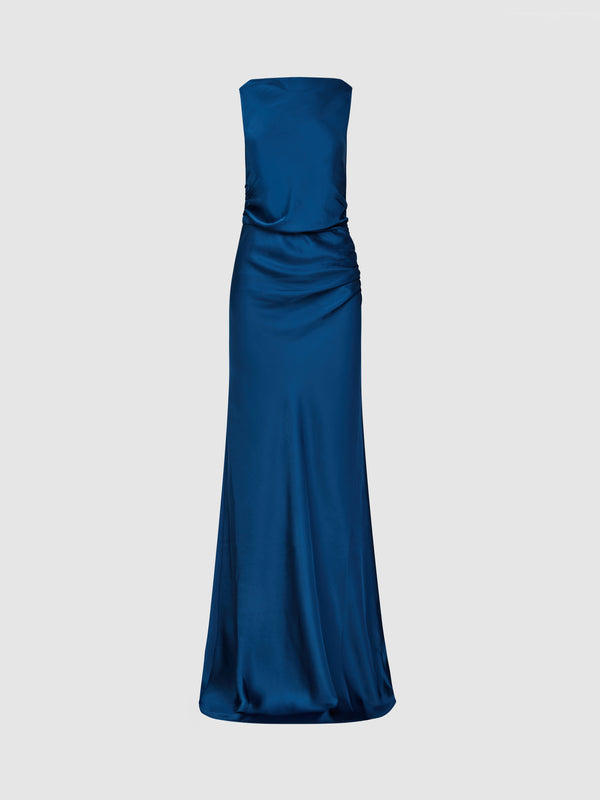
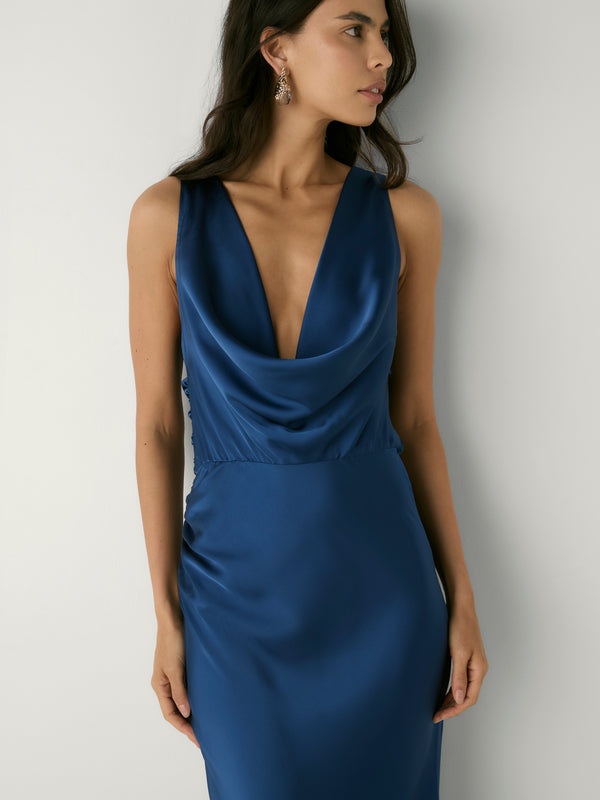
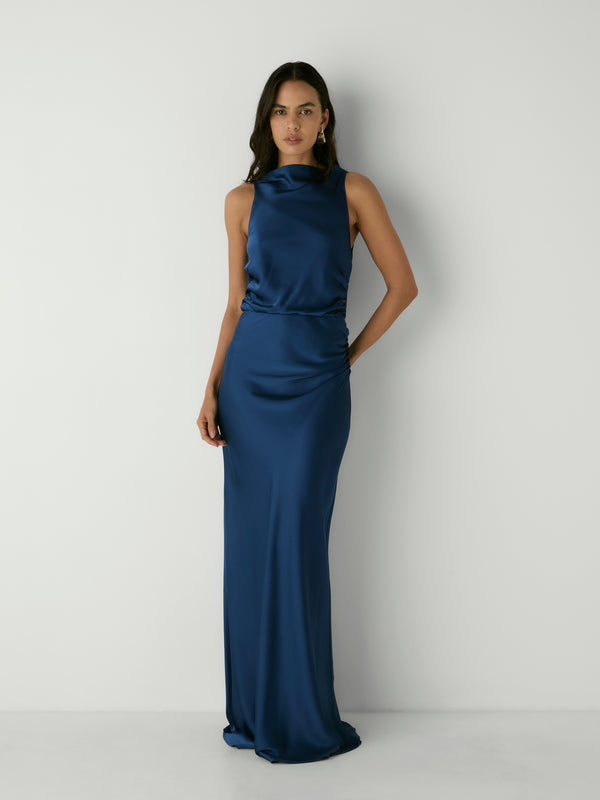
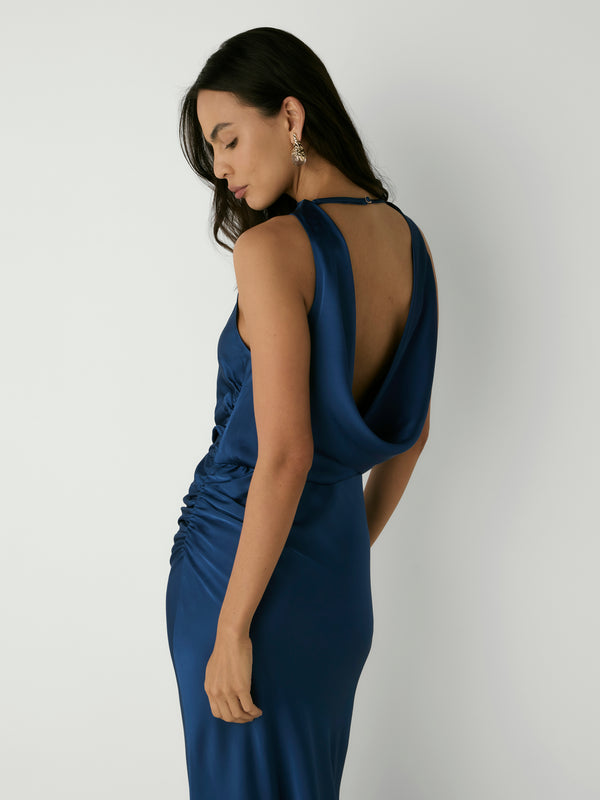
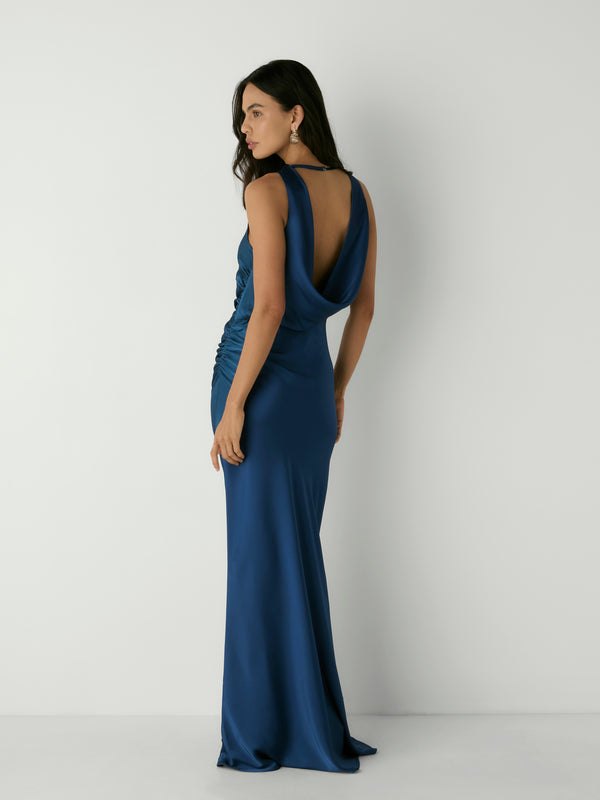
A maxi dress runs the full length of your leg, finishing anywhere from the ankle to the floor. The extra length gives it a relaxed drape that suits flowing fabrics like viscose or linen, and it's the length people usually reach for when a look needs to feel a bit more considered without being fussy. Think warm-weather weddings, long lunches by the water, or a black tie event where you want the hem doing some of the work. Taller women can wear almost any maxi off the rack, while a petite frame usually looks better with a slit, a higher waistline, or a proper hem taken in. Our maxi dresses covers most of what you'd need across both.

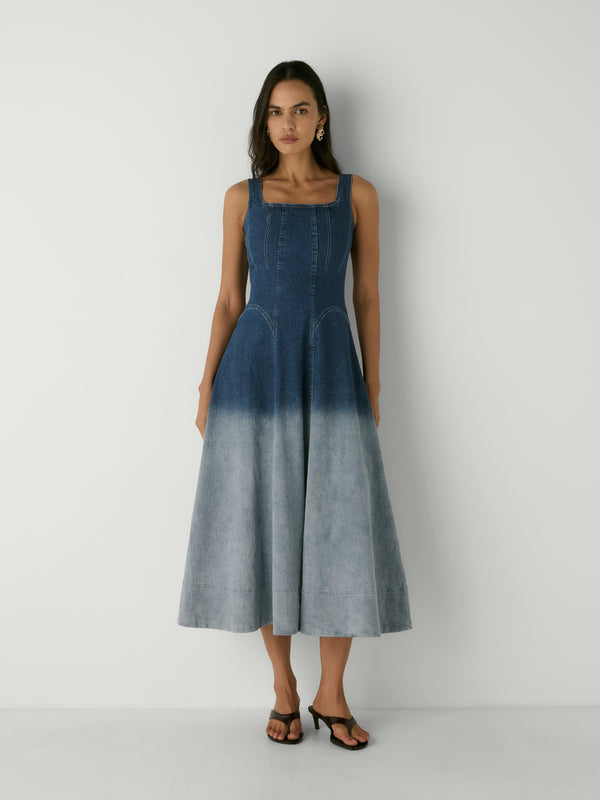
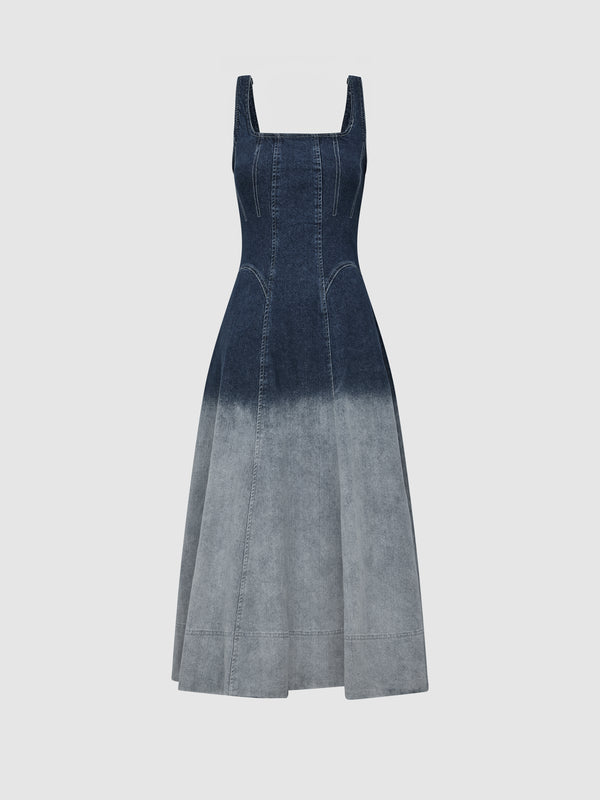
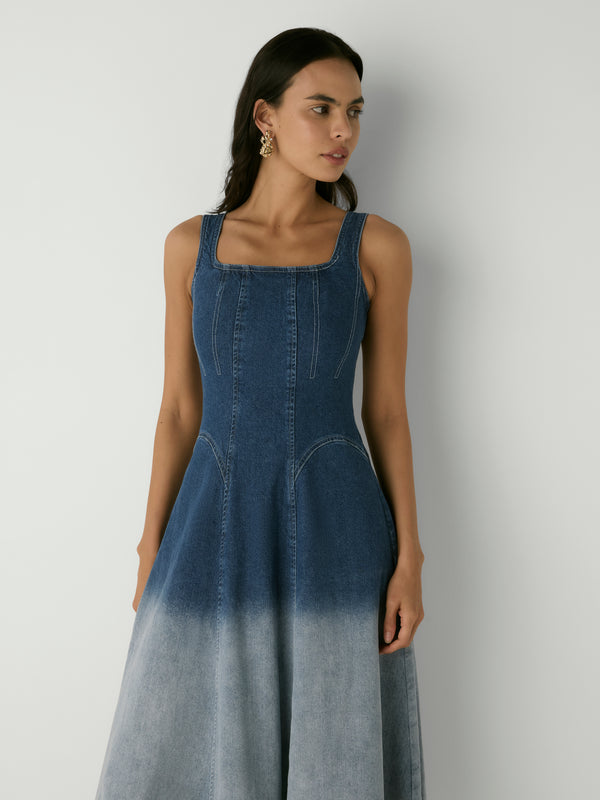
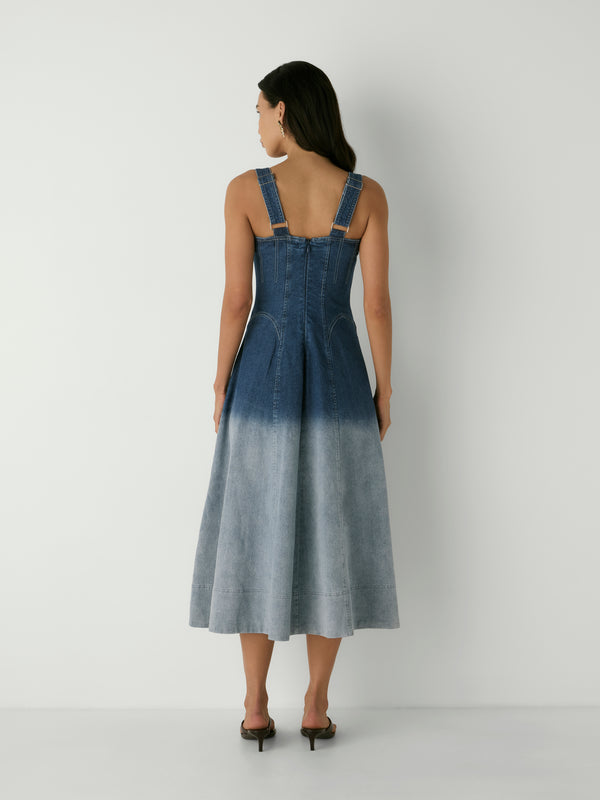
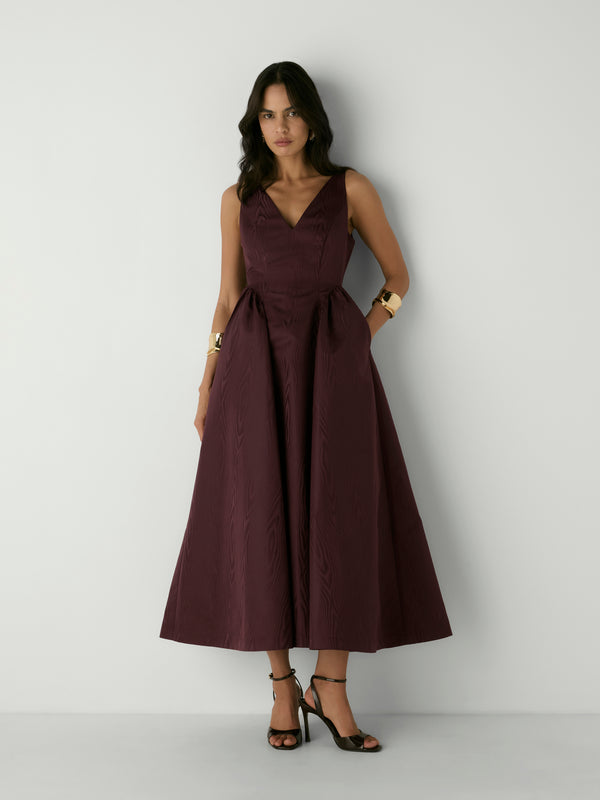
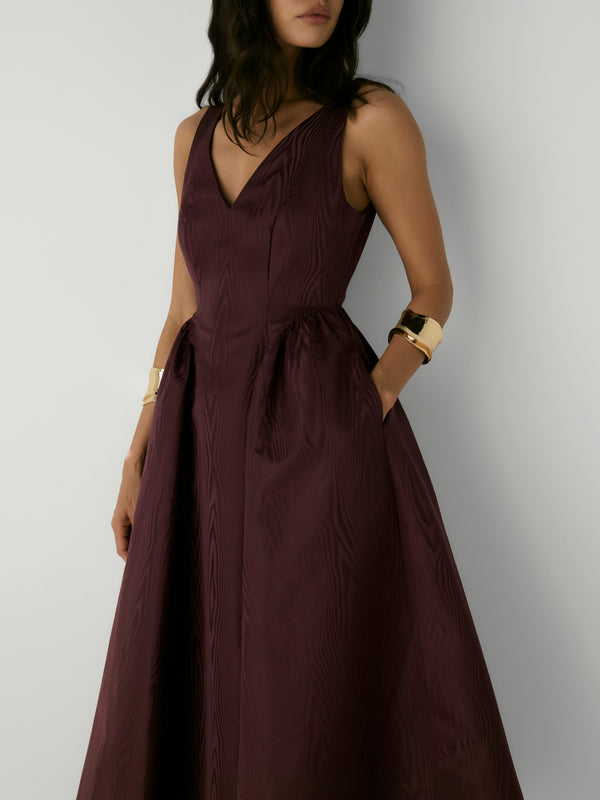
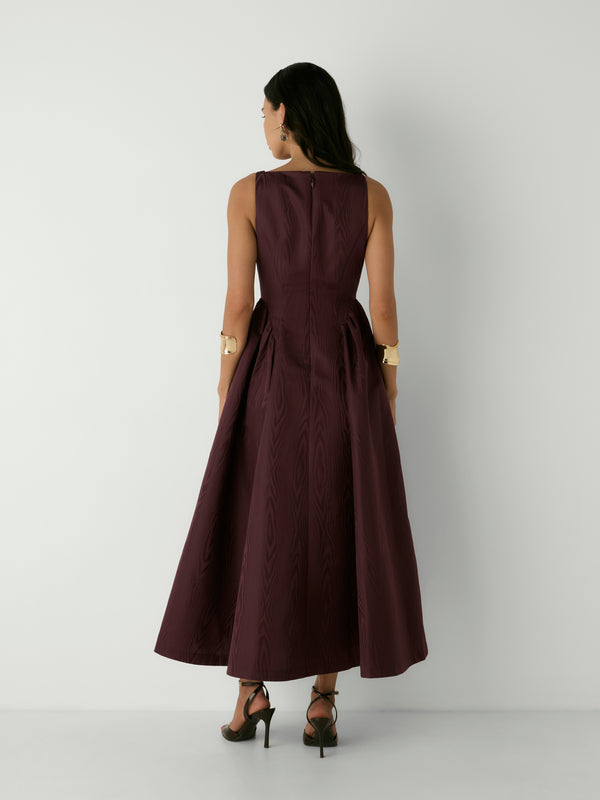
A midi dress sits somewhere between the knee and the ankle, usually landing mid-calf. It's the length that gets the most actual wear, since it moves easily between work, a wedding and dinner without you needing to think too hard about it. A structured midi in cotton or ponte looks right in an office, while the same length in silk or satin reads completely differently for evening. If you're not sure which length to start with, midi is the safest bet, and our midi dresses have options for both ends of that spectrum.

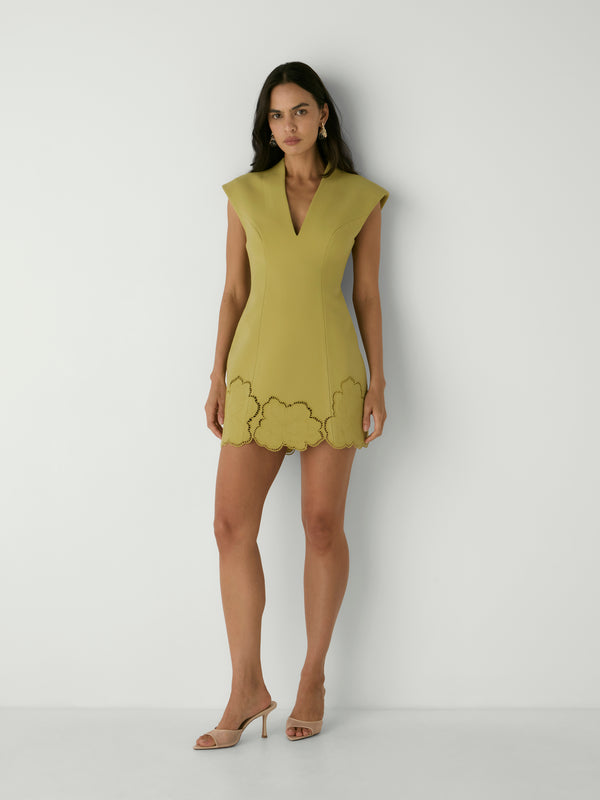
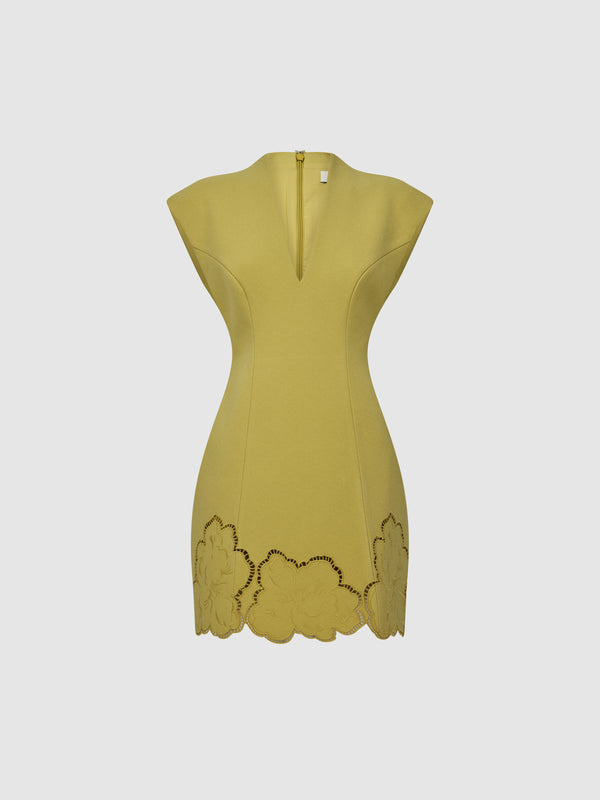
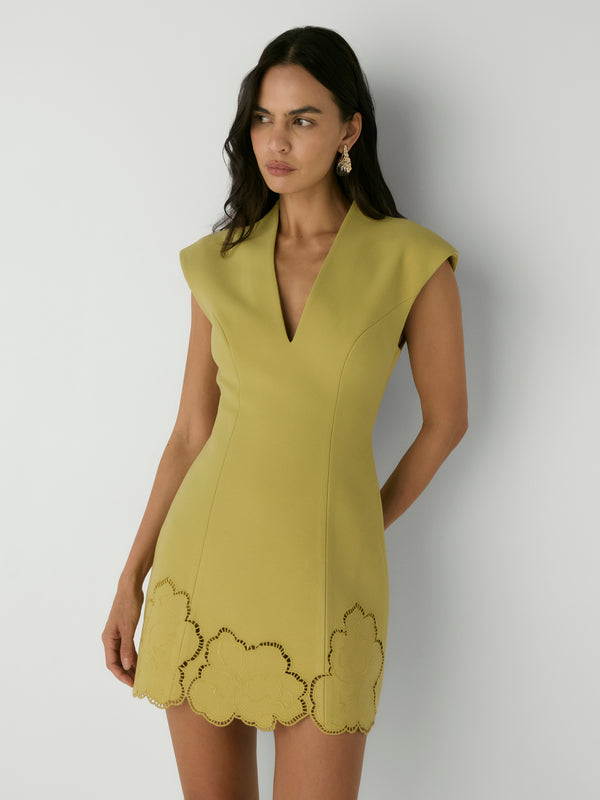
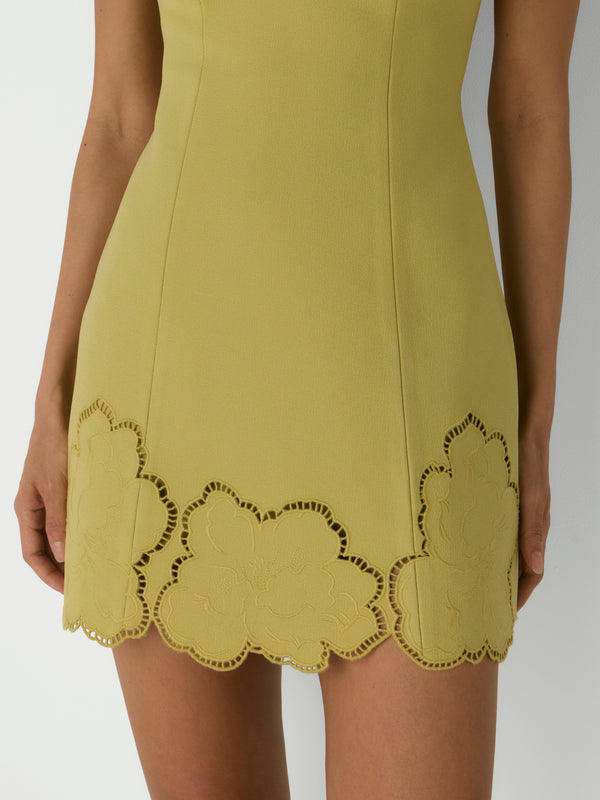
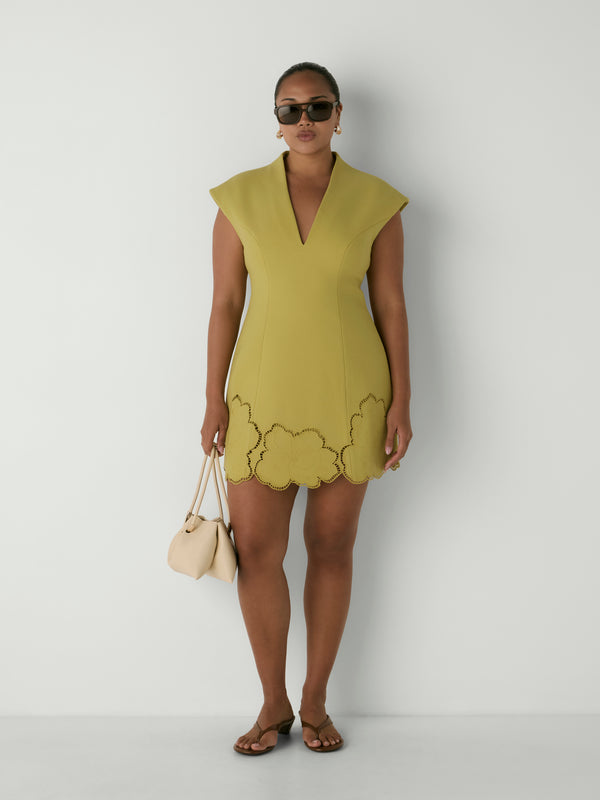
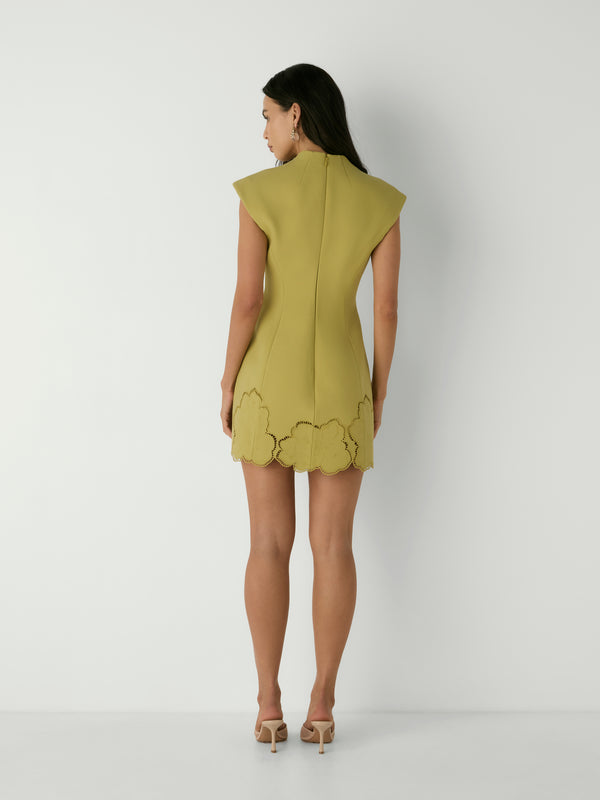
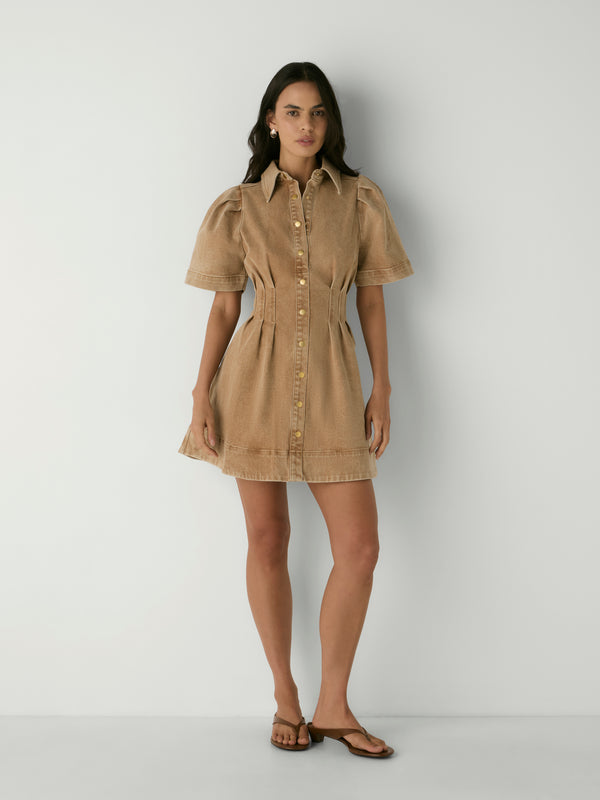
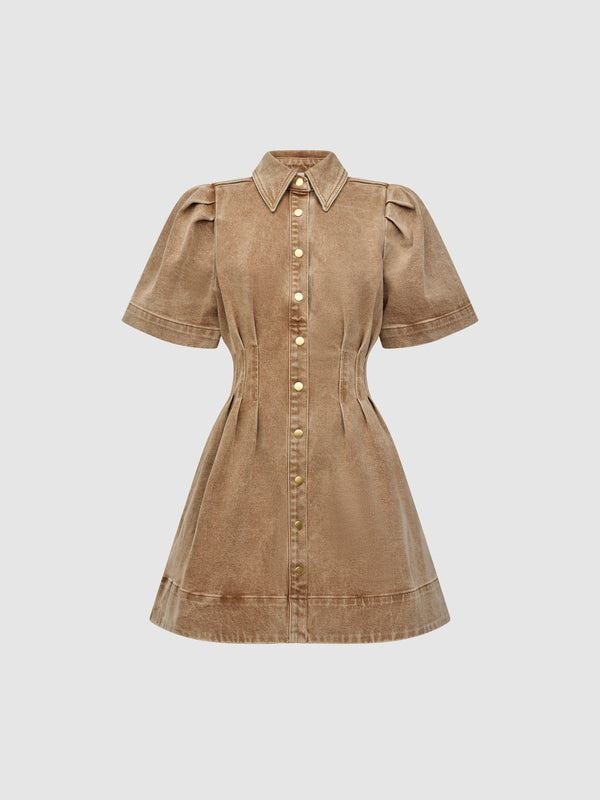
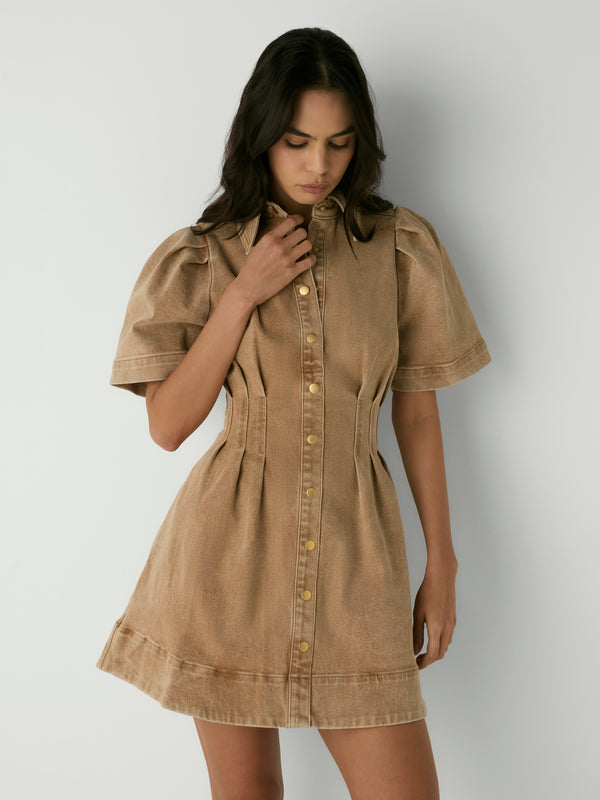
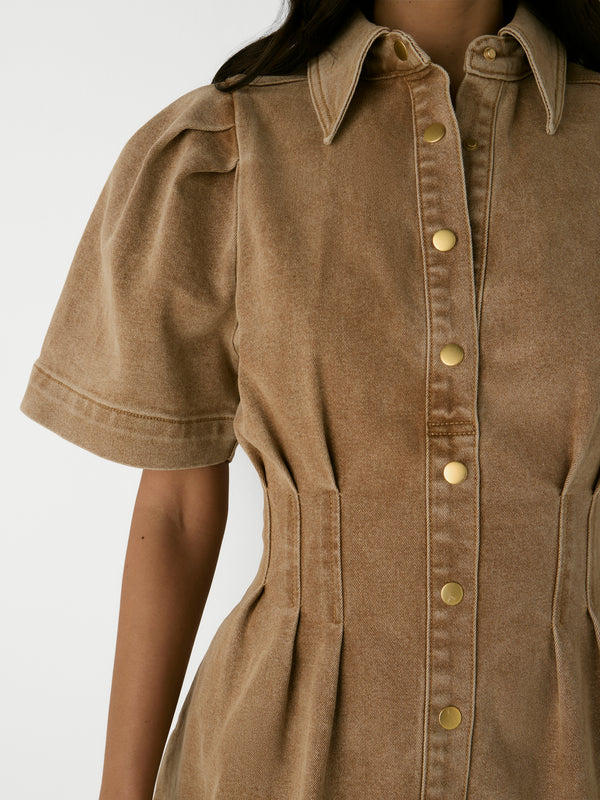
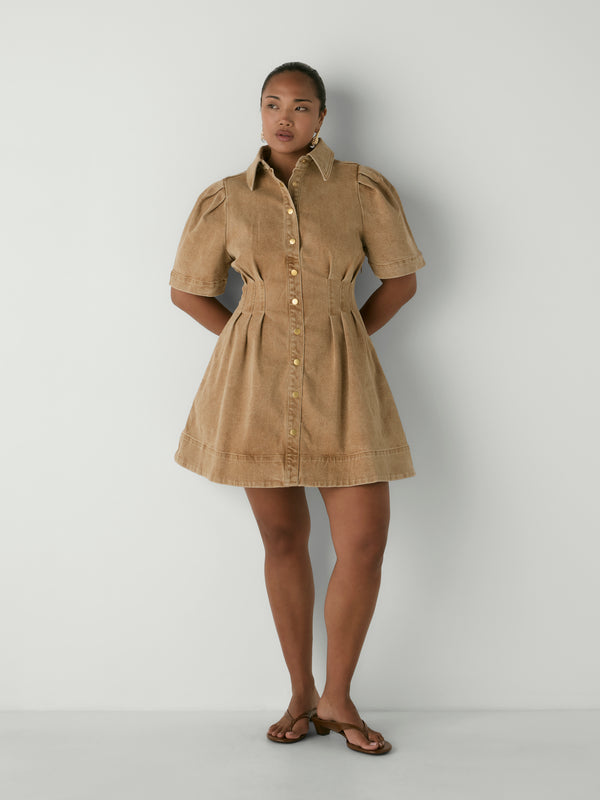
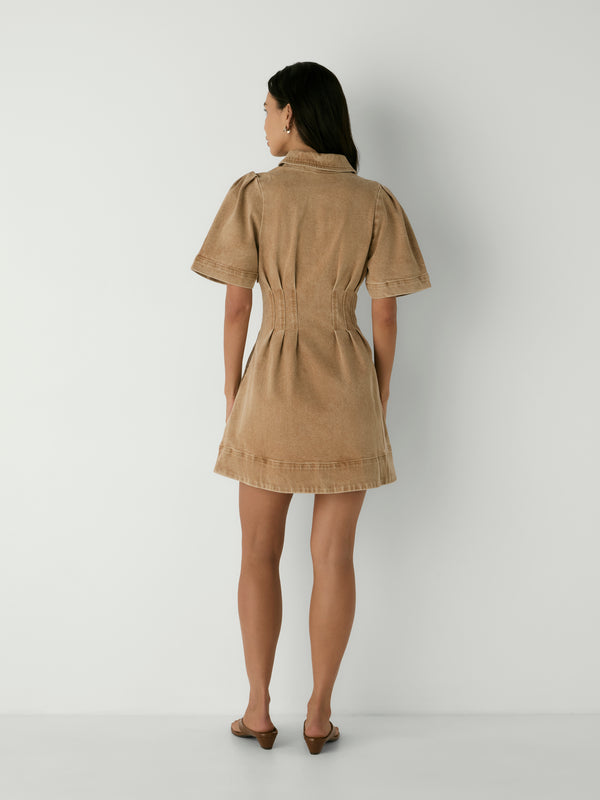
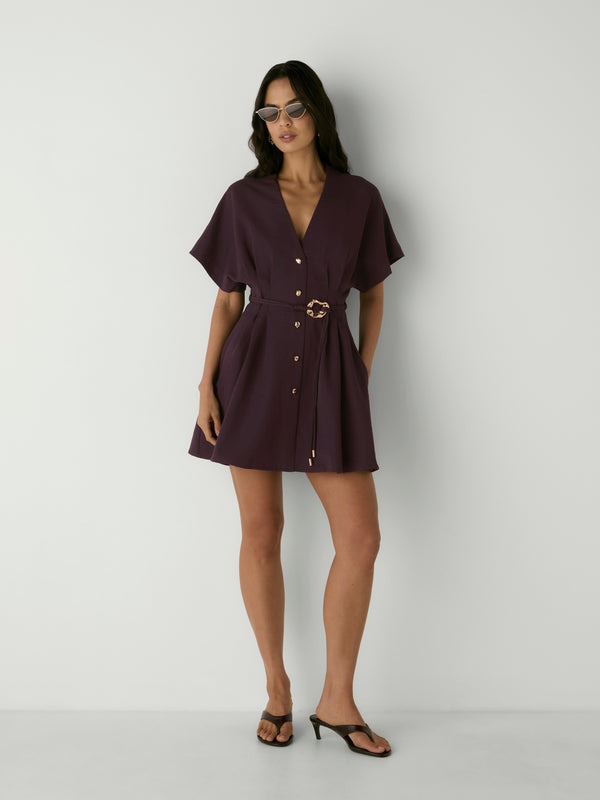
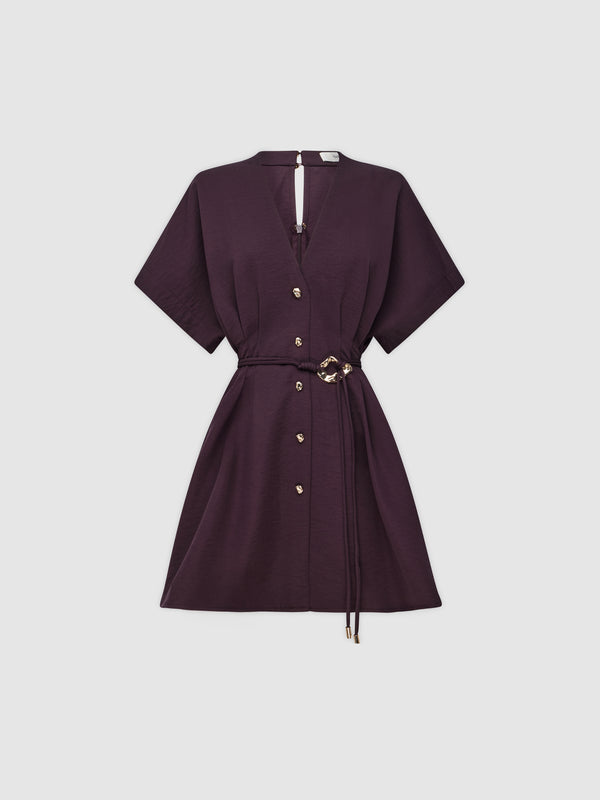
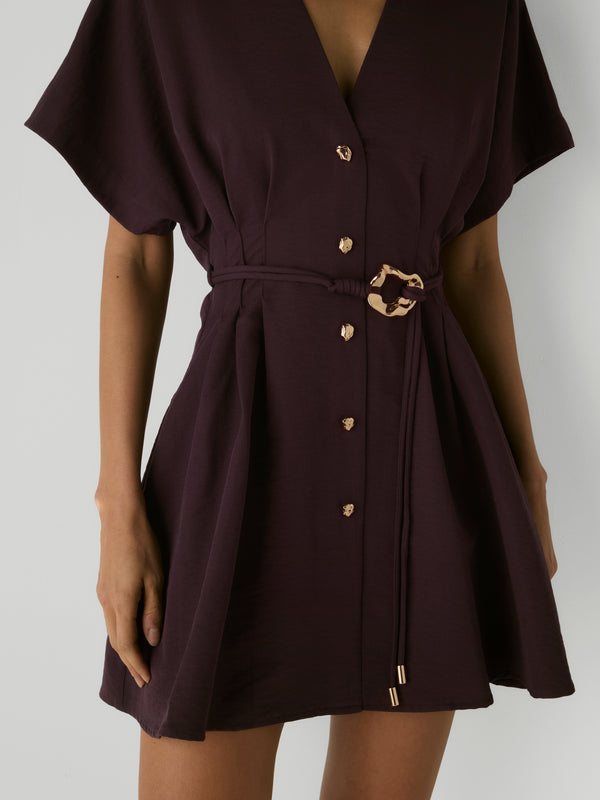
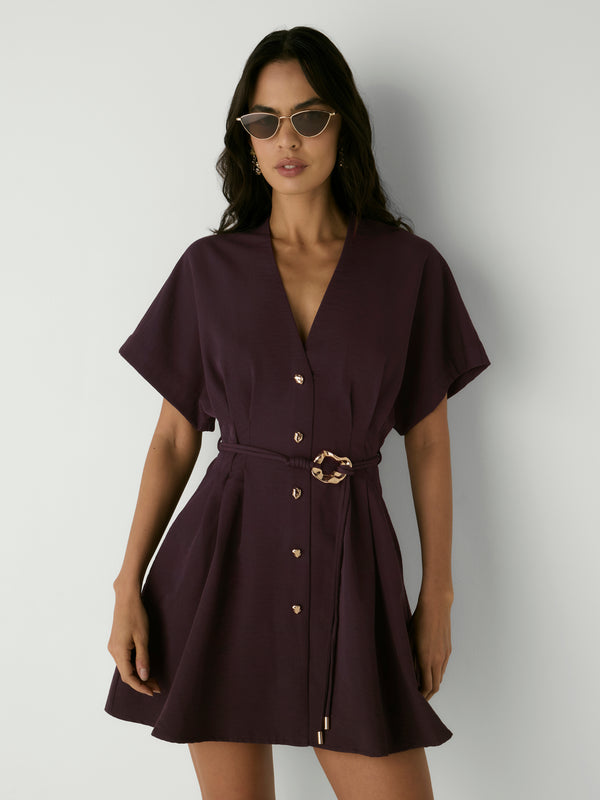
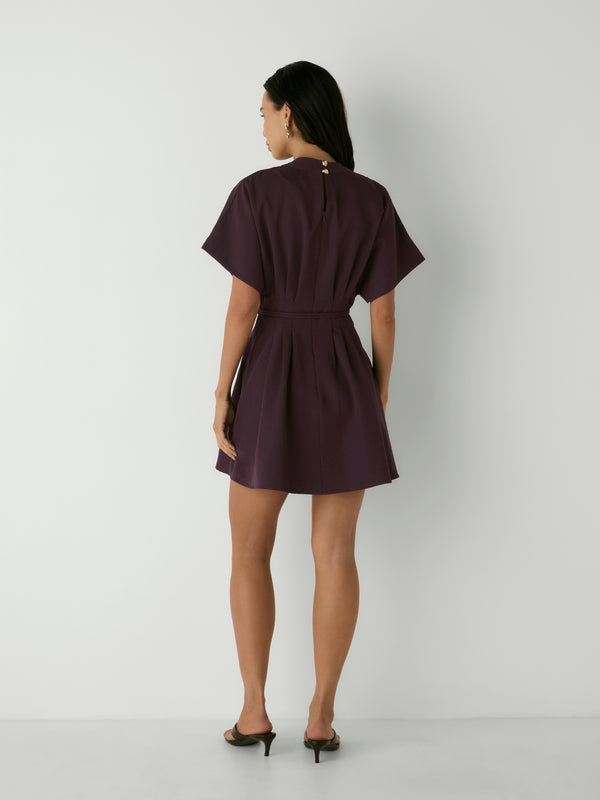
A mini dress finishes at or above the knee, sometimes well above it. It's the length with the most movement and the least fabric, which is exactly why it works for parties, warmer months, and anything where you want to feel a bit lighter on your feet. A mini in a structured fabric holds its shape and looks more put-together, while a slip-style mini in satin leans more toward evening. Our mini dresses run from the more covered styles through to the shorter, going-out end of things.
The real difference between the three comes down to where the hem lands and what that does to how a dress feels to wear.
| Length | Where it sits | Best for |
|---|---|---|
| Mini | At or above the knee | Parties, warmer months, nights out |
| Midi | Between knee and ankle | Work, weddings, day-to-night |
| Maxi | Ankle to floor | Formal events, warm-weather occasions, resort wear |
None of them is more correct than the others. It really comes down to the occasion and how much leg you feel like showing on the day.

Some occasions make the length decision for you. Here's how the three usually sort themselves out:

Start with where you're actually going. A work event or a wedding ceremony usually calls for a midi or a maxi, while a birthday or a night out gives you more room to go shorter. Height matters less than people think, a midi can look fantastic on a petite frame with the right heel, and a mini works just as well on a taller frame if that's the look you're after. If you're stuck, midi is the one length that won't feel wrong no matter where you end up. Browse the full dresses collection if you'd rather compare all three lengths side by side before deciding.
Both work well for a wedding guest, it comes down to the dress code and the time of day. A midi suits a daytime or garden wedding, while a maxi feels more at home at an evening reception or a black tie event.
Yes, a maxi dress can work on a petite frame as long as the hem is taken in so it doesn't drag, and a heel or wedge helps lengthen the leg. Look for a higher waistline or a slit so the dress doesn't overwhelm a shorter frame.
It depends on the workplace, but a structured mini that sits just above the knee can work in plenty of offices when paired with a blazer. If in doubt, a midi is the safer choice for anything corporate.
Midi is generally considered the most versatile, since it moves between work, weddings and evening events without much needing to change. A midi dressed up with heels reads as formal, and dressed down with flats reads as casual.
Maxi dresses work well in both, it really comes down to the fabric. A lightweight linen or cotton maxi suits summer, while a heavier knit or long sleeve maxi carries you through the cooler months.