Fashion
What Is a Maxi Dress? Definition, Lengths, and Style Guide
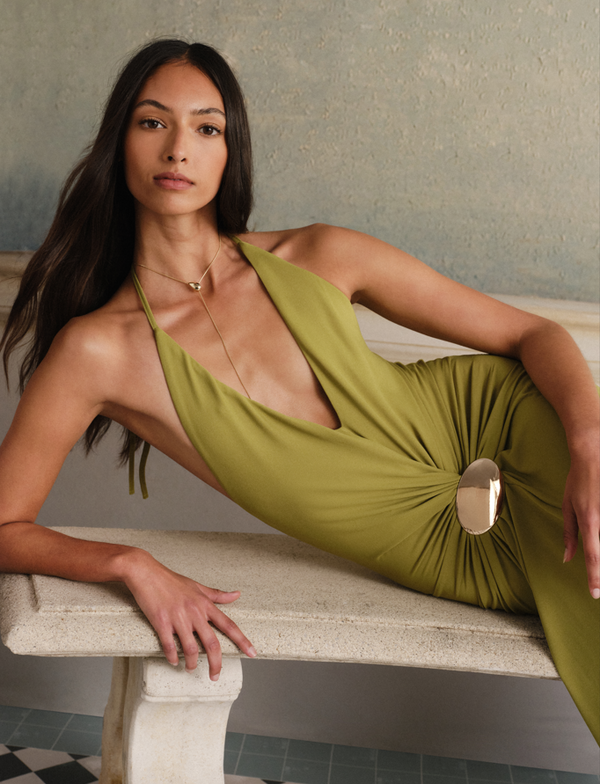
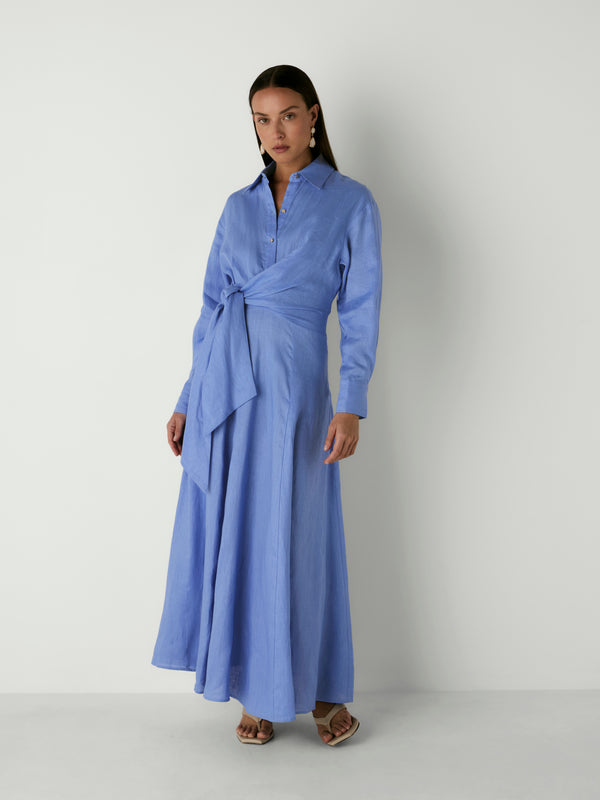
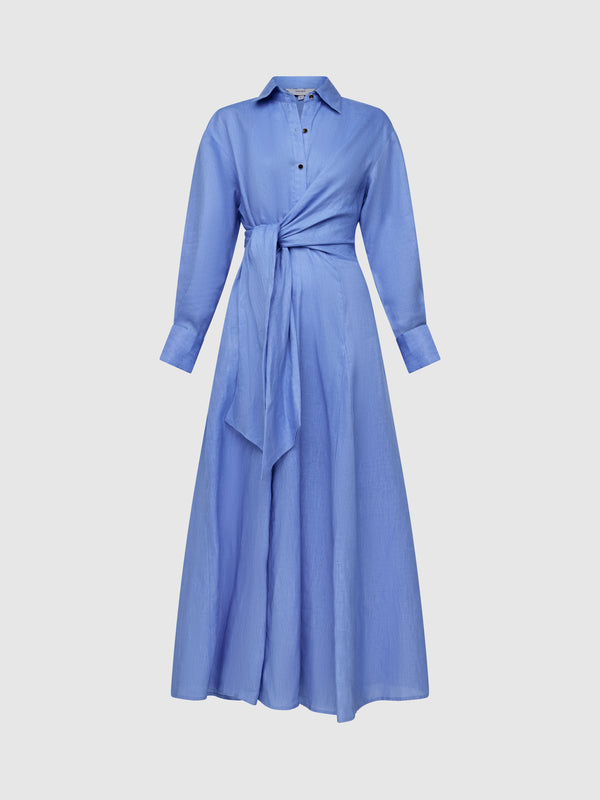
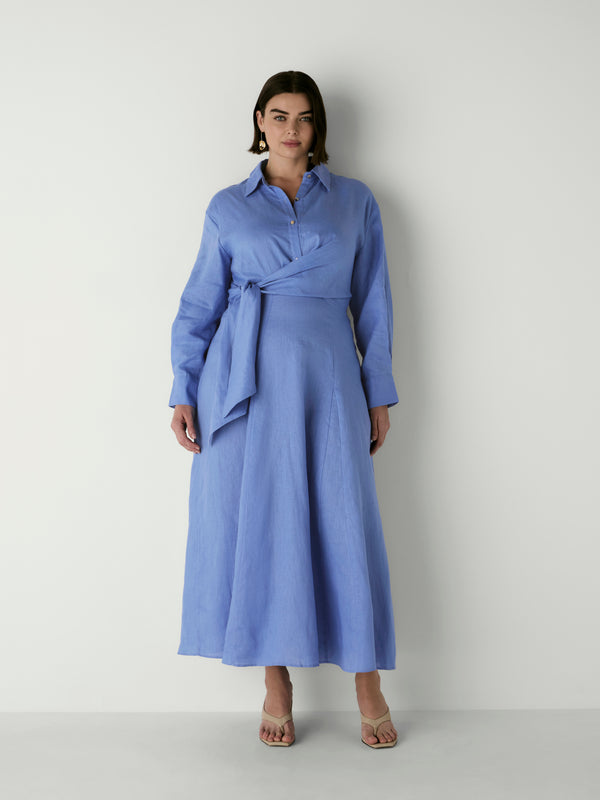
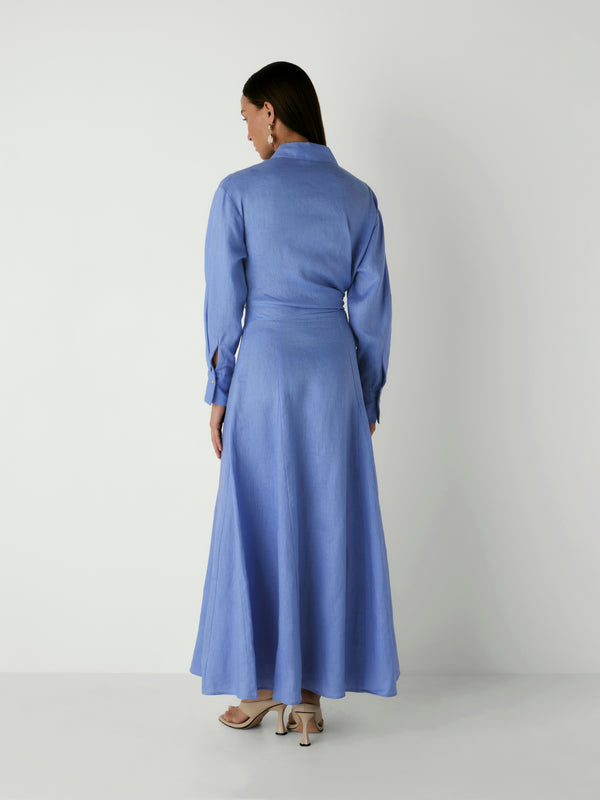
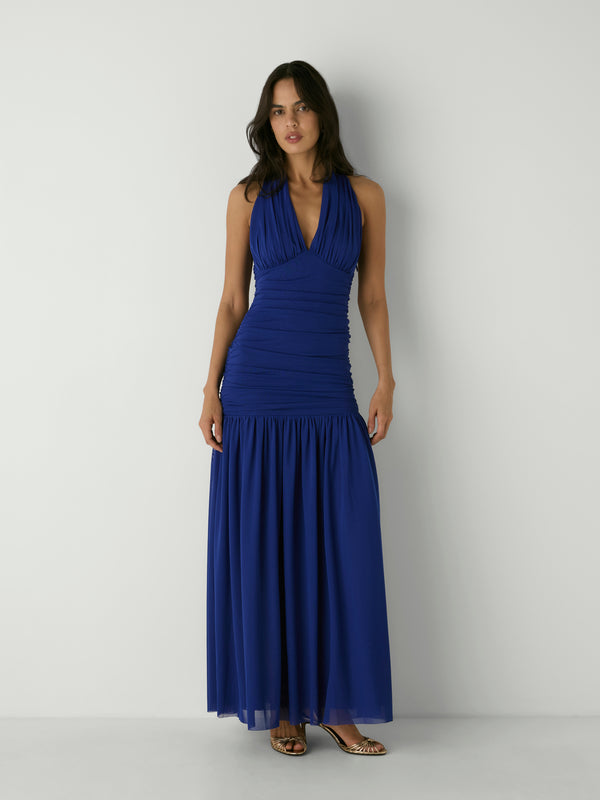
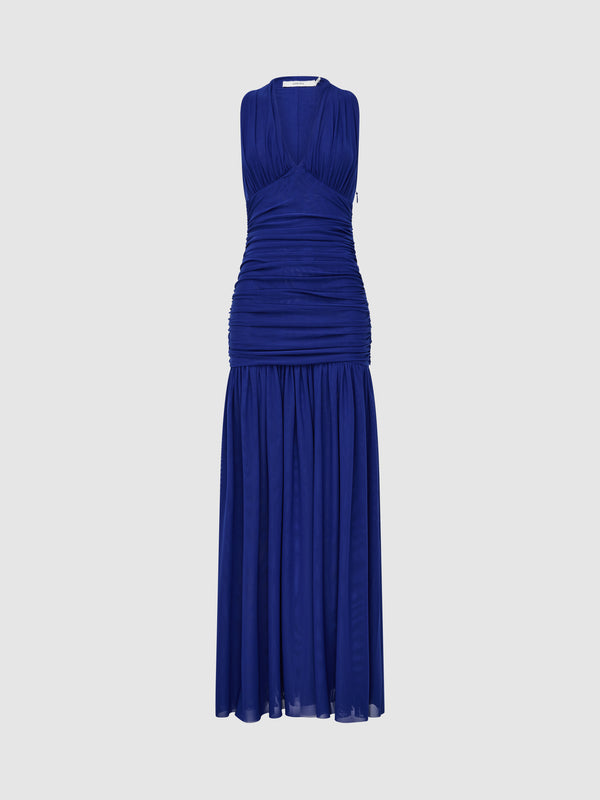
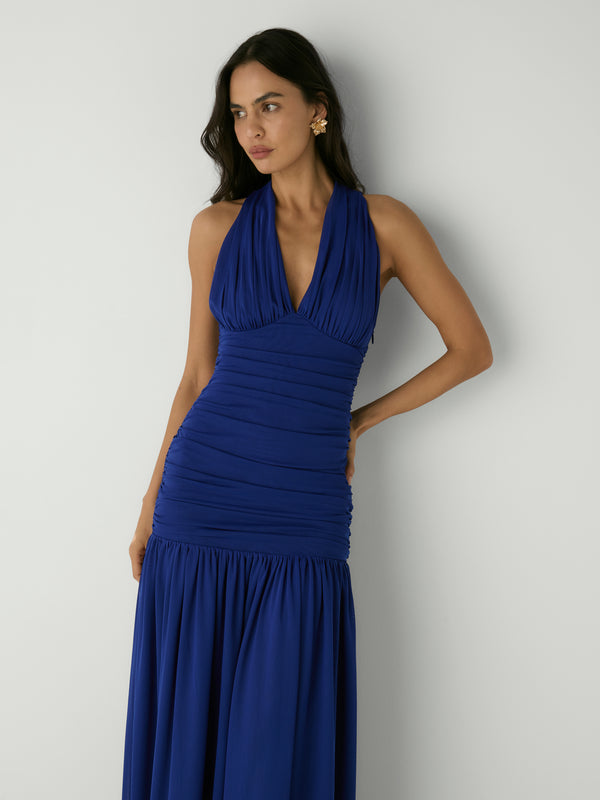
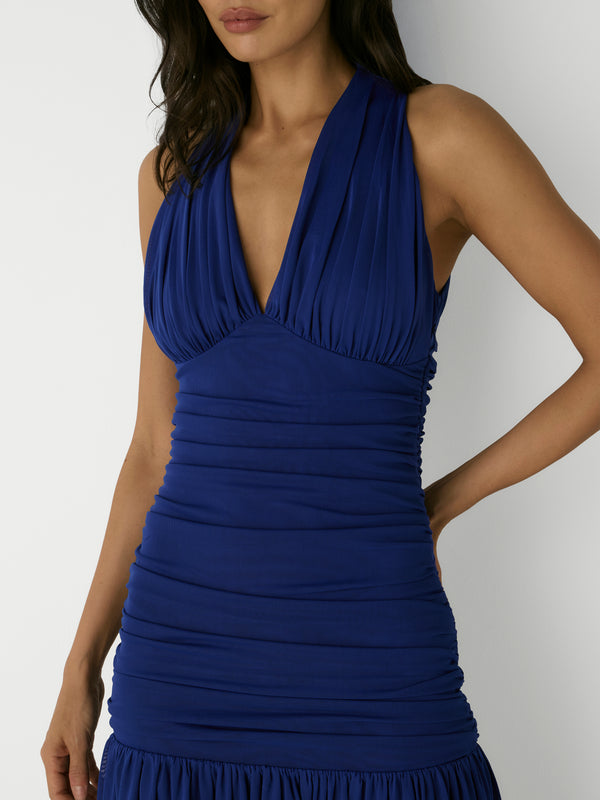
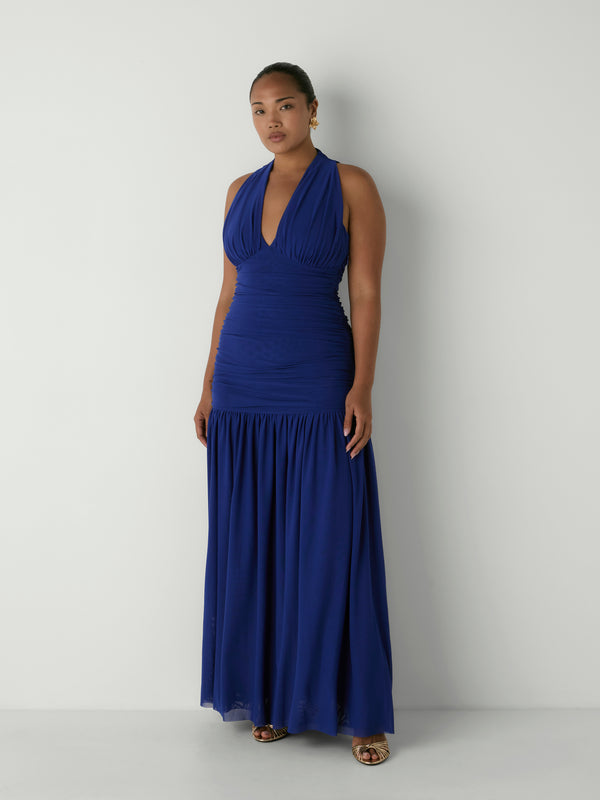
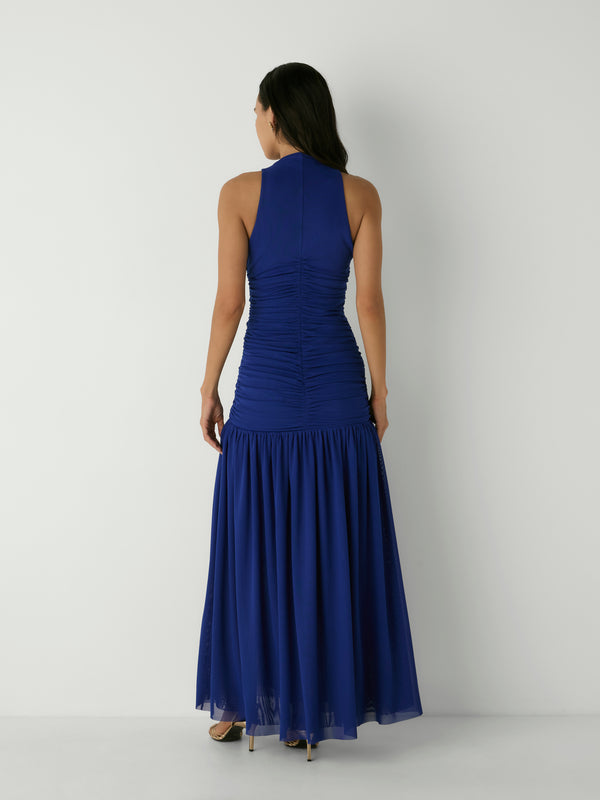
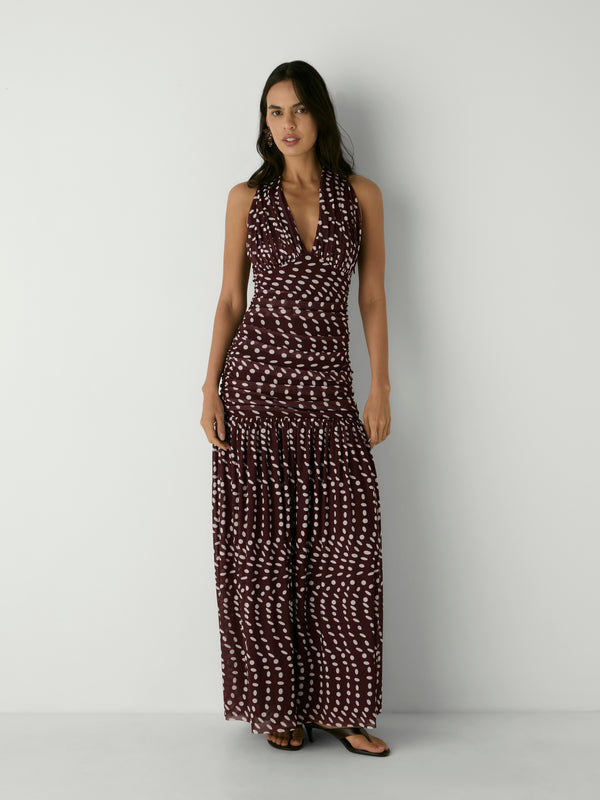
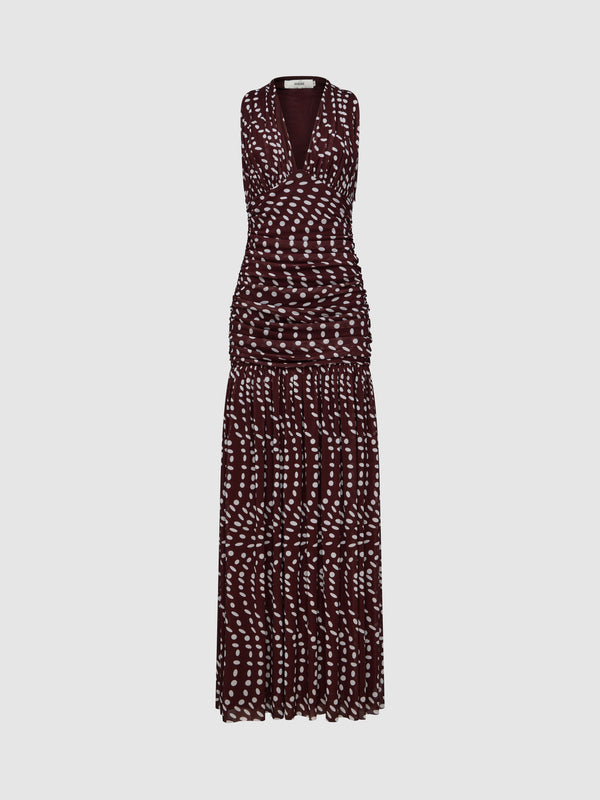
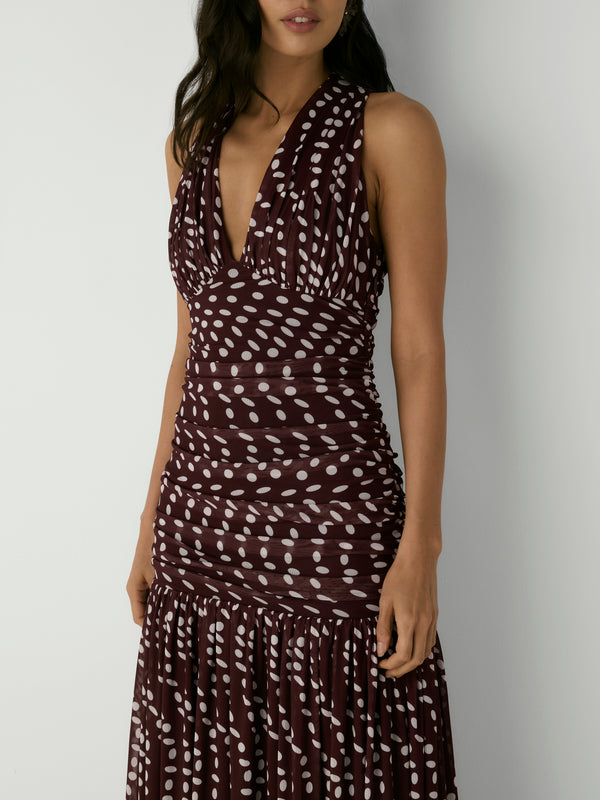
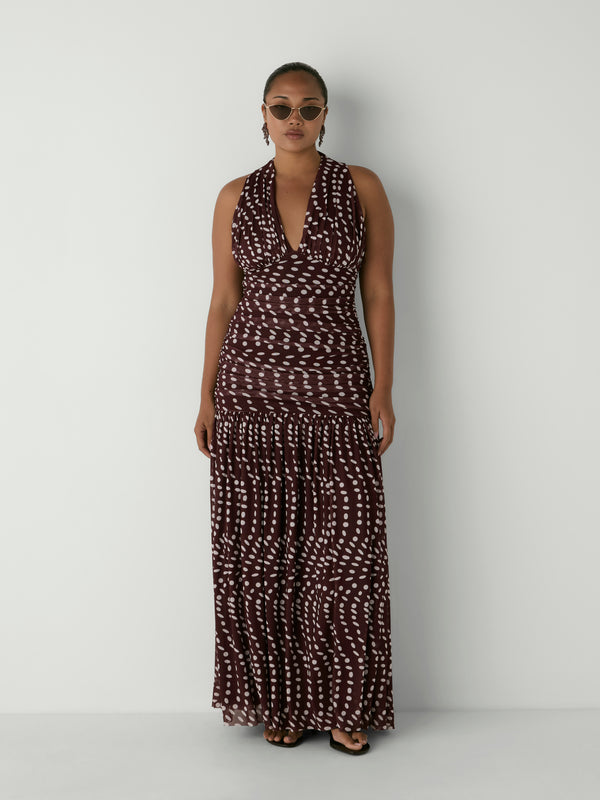
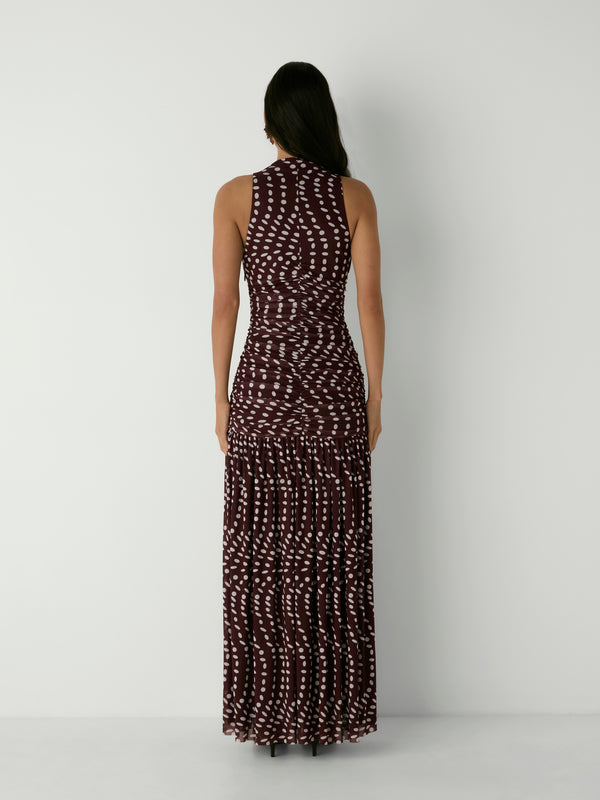
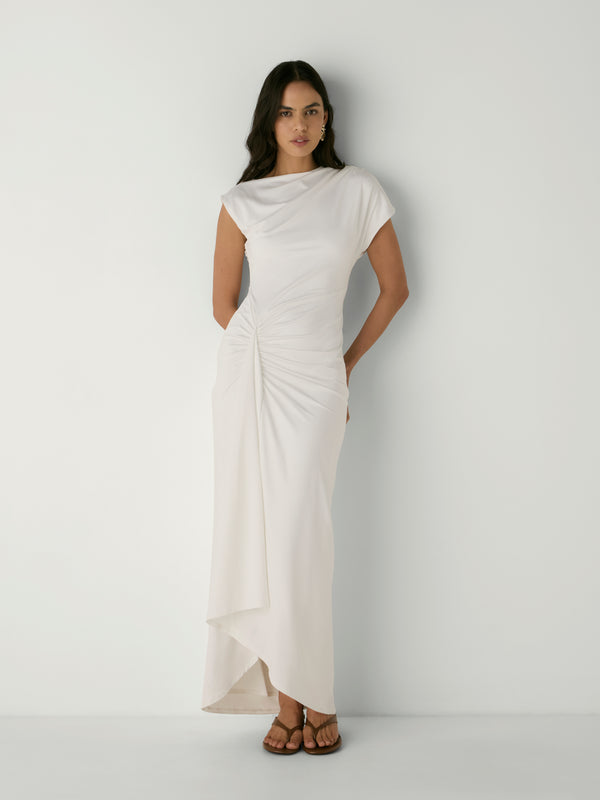
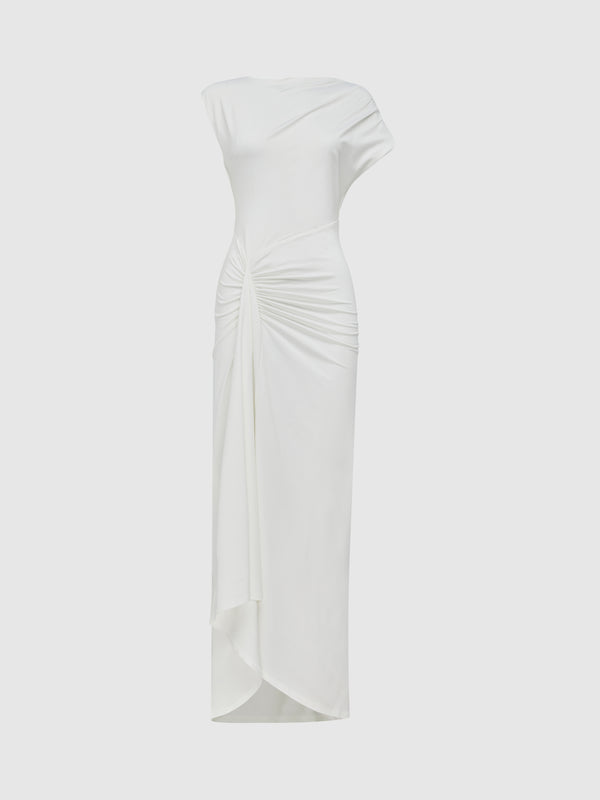
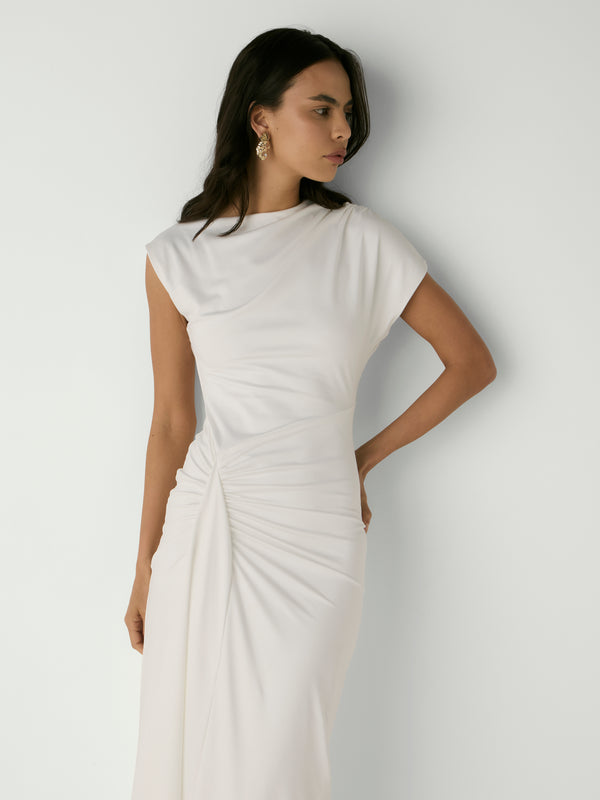
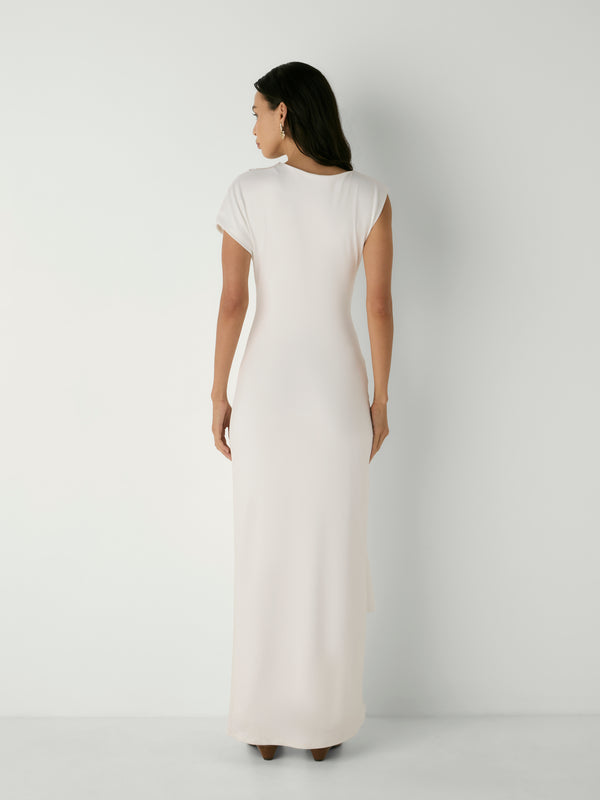
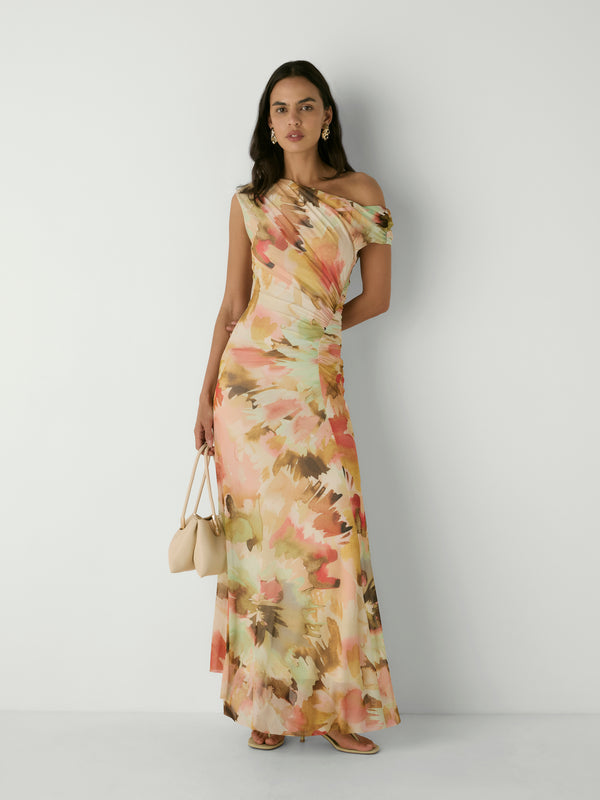
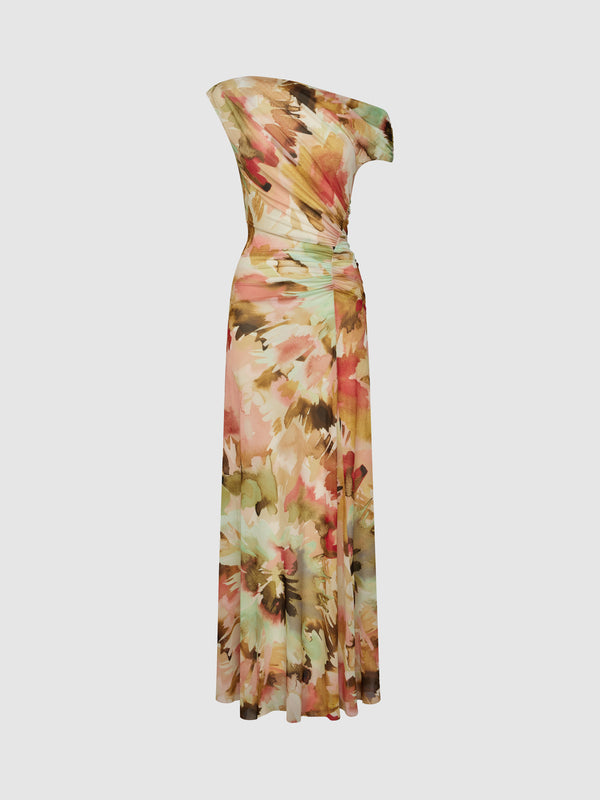
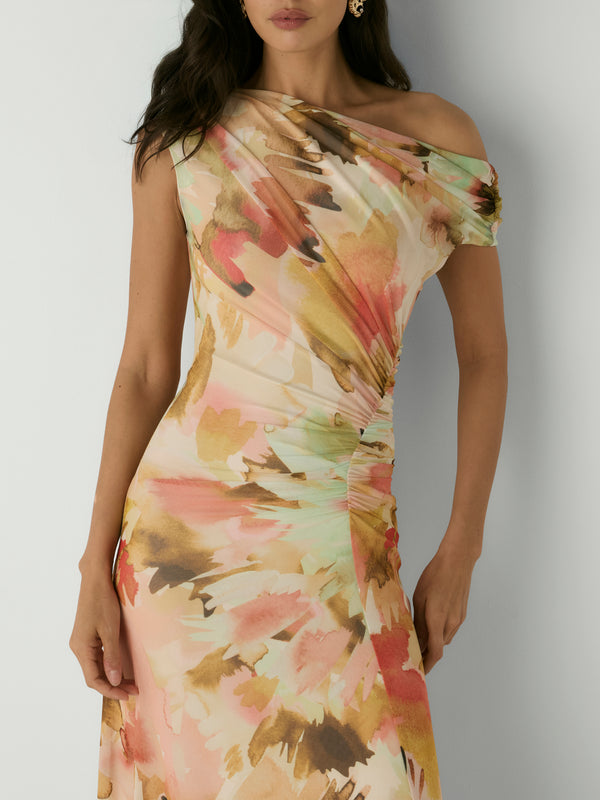
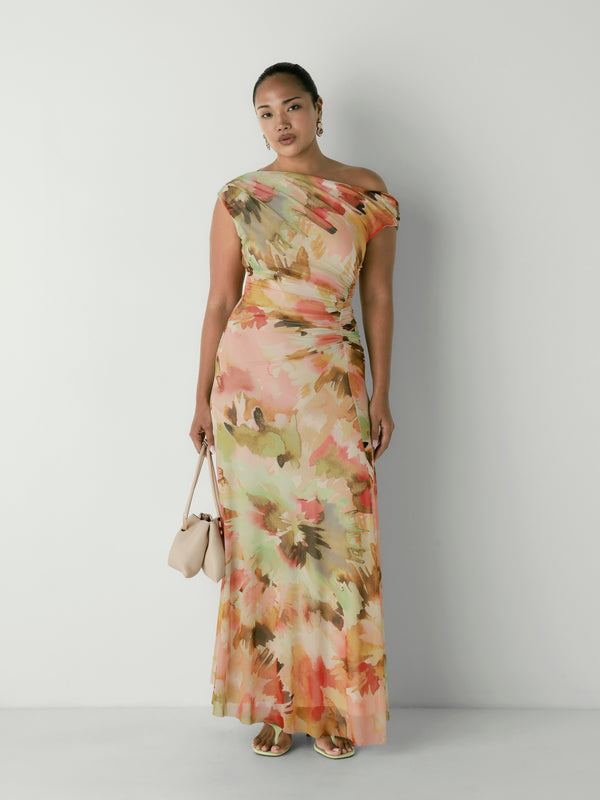
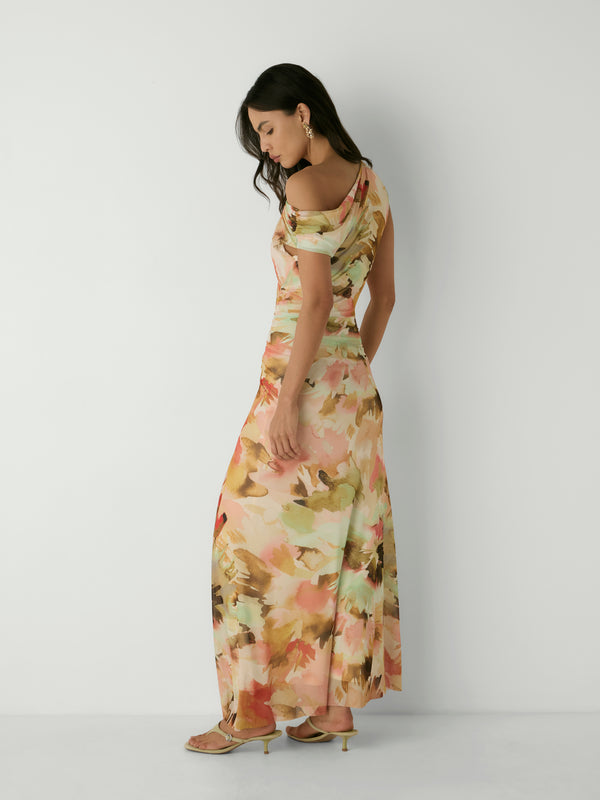
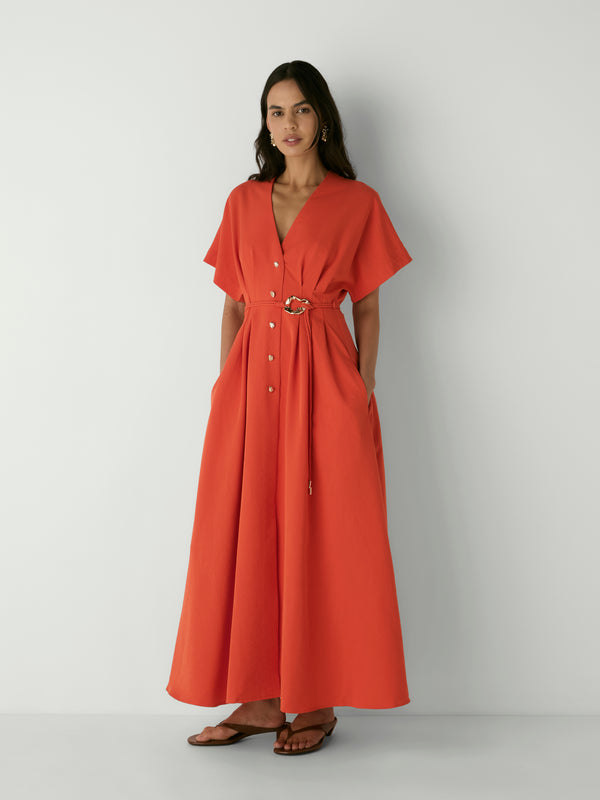
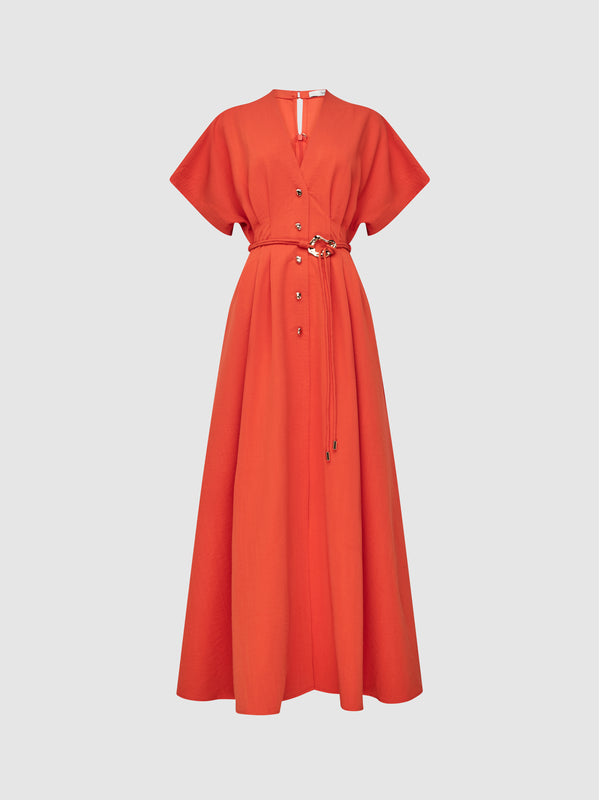
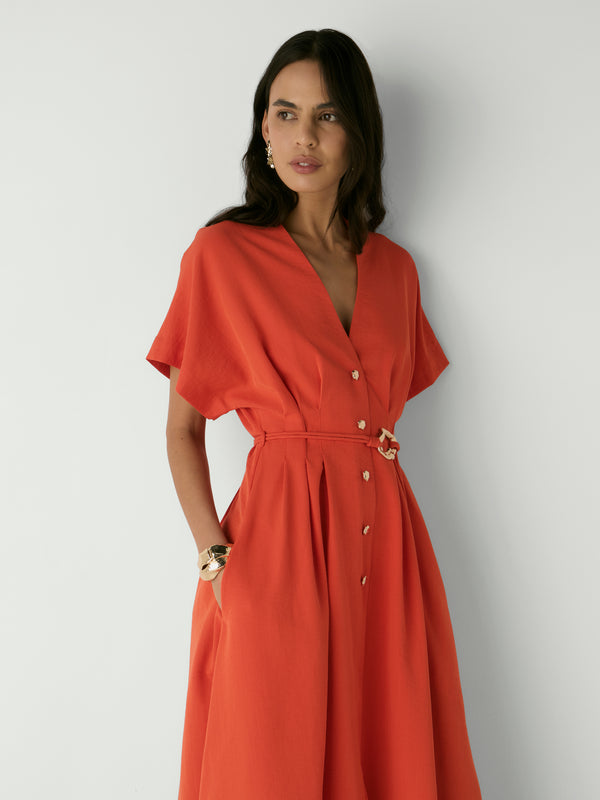
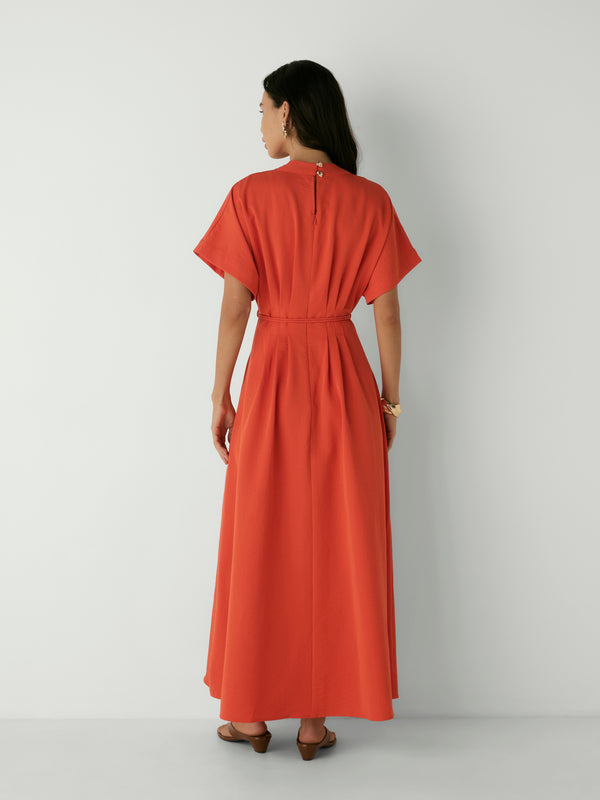
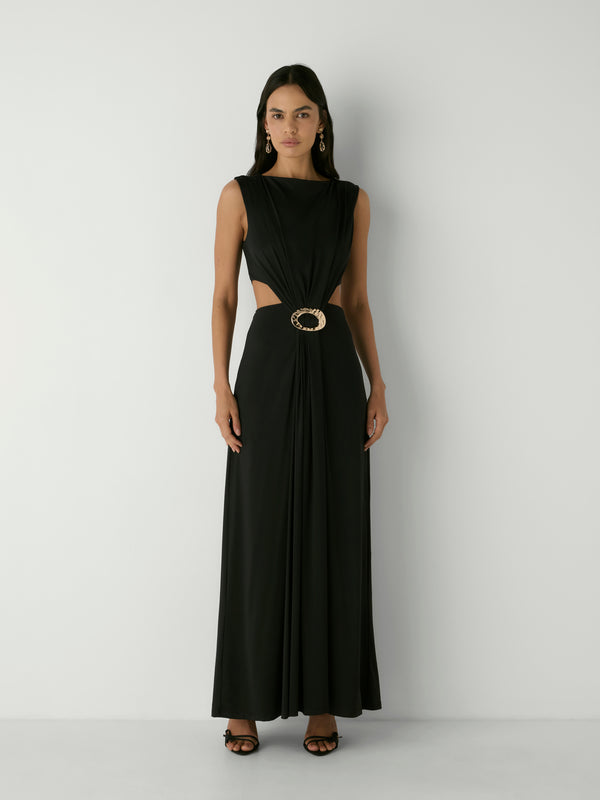
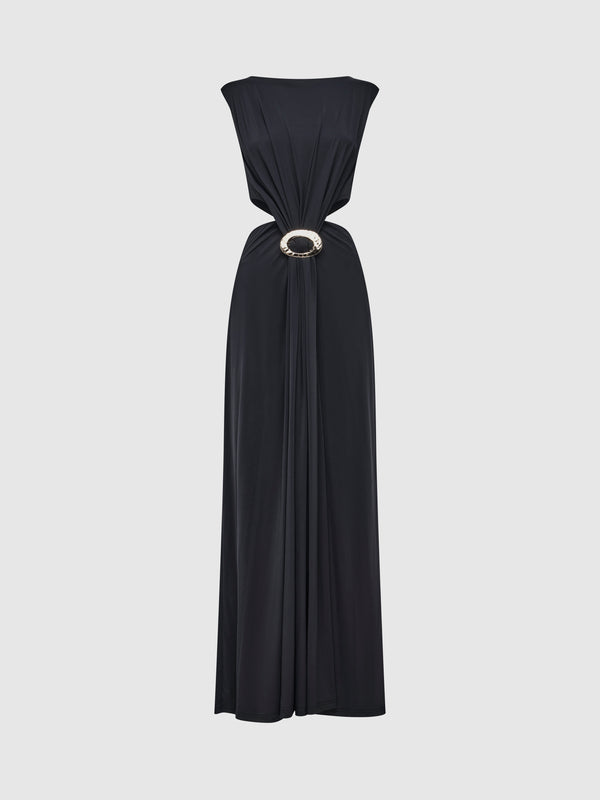
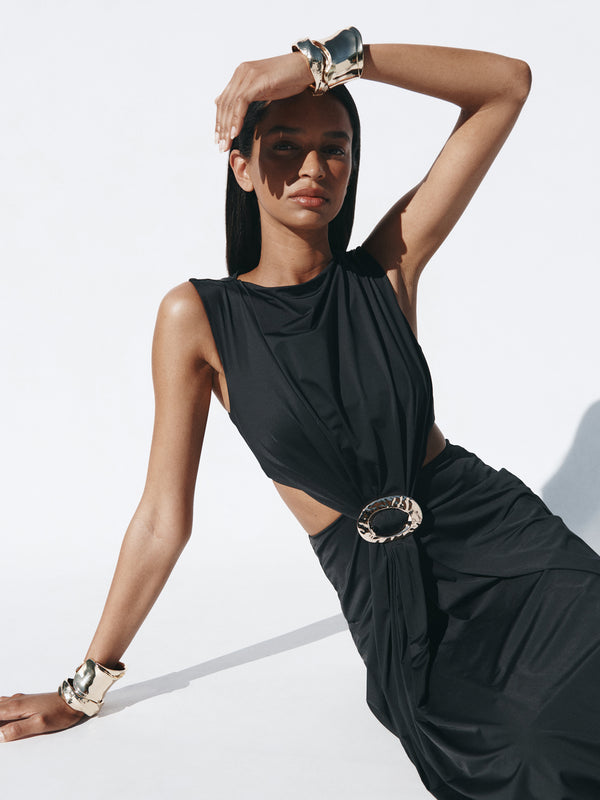
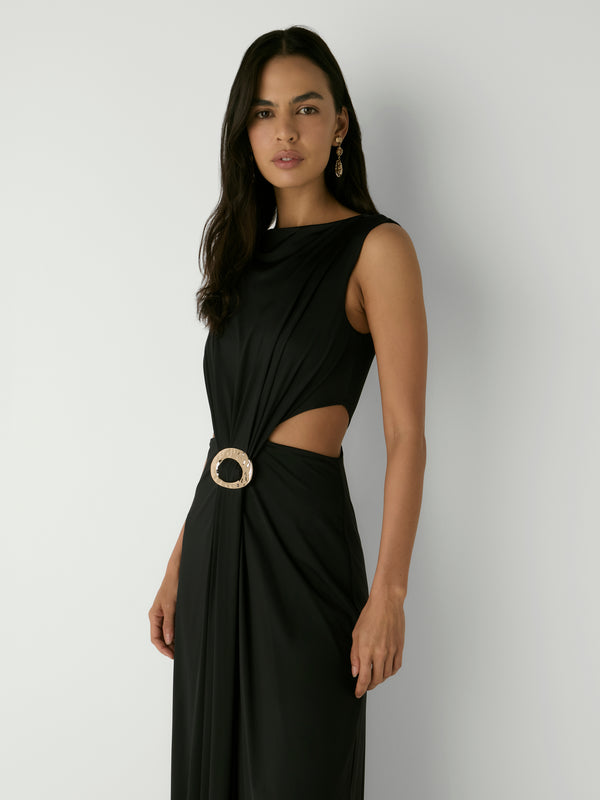
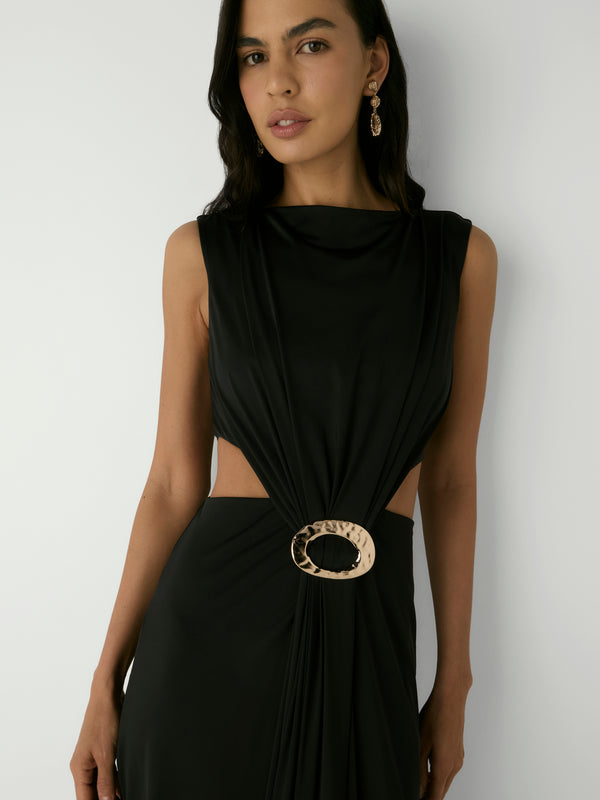
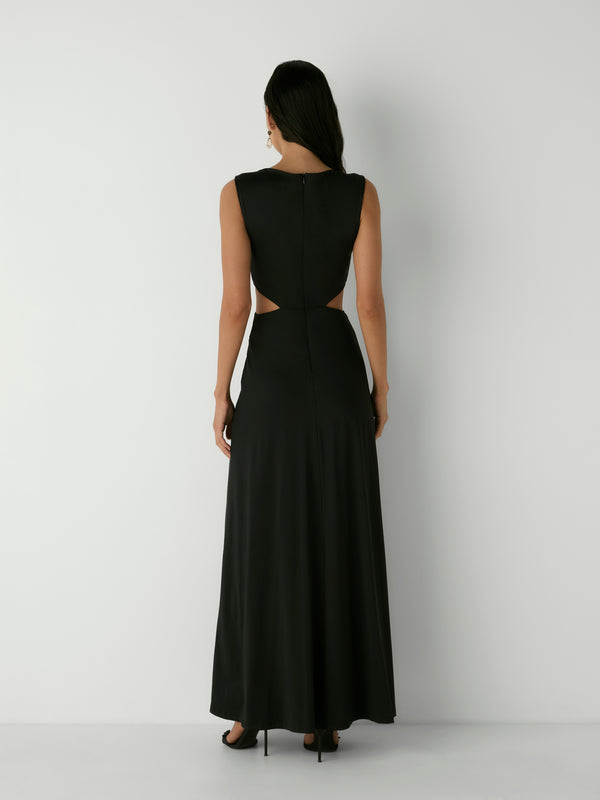
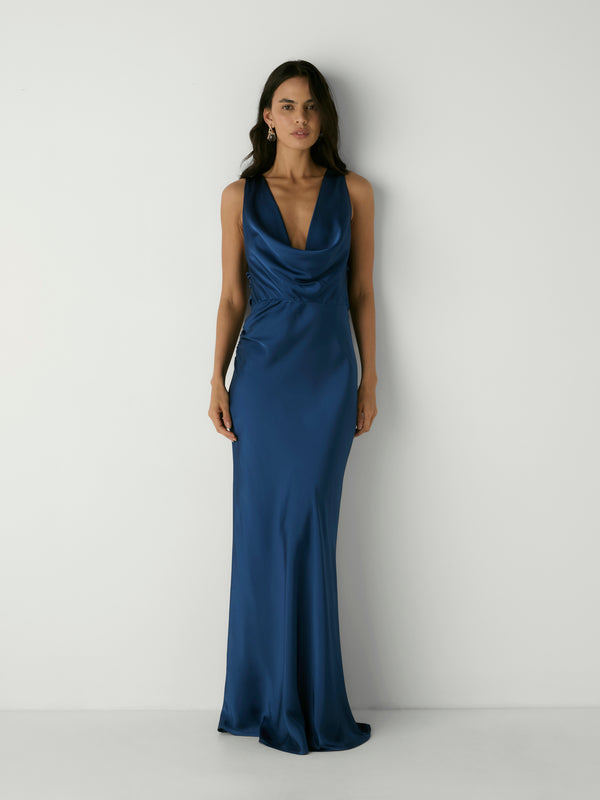
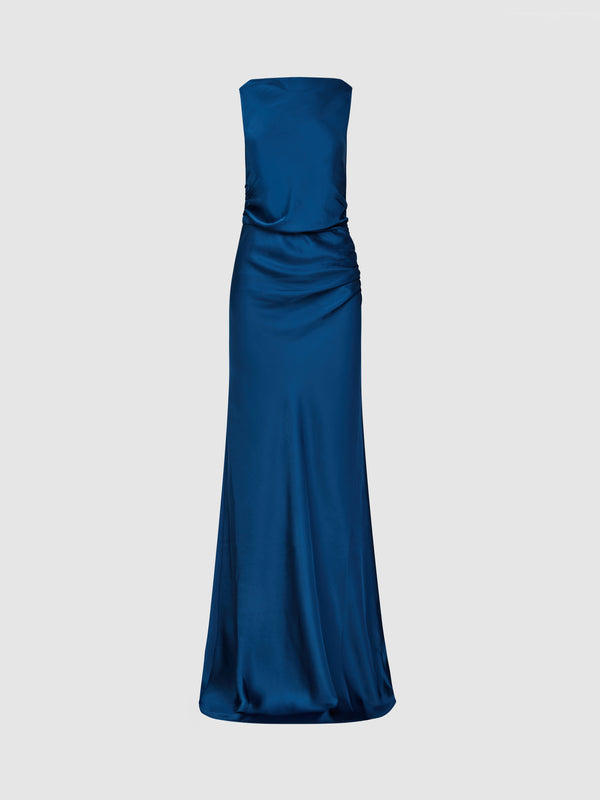
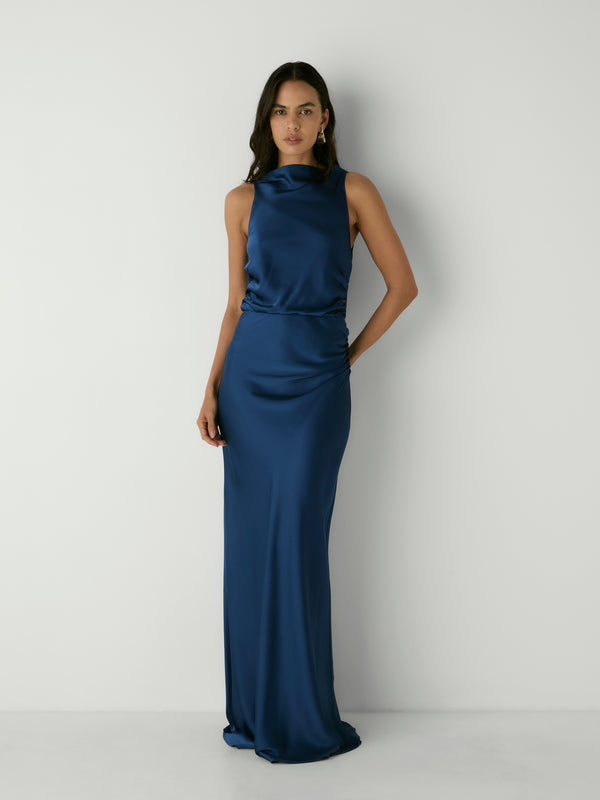
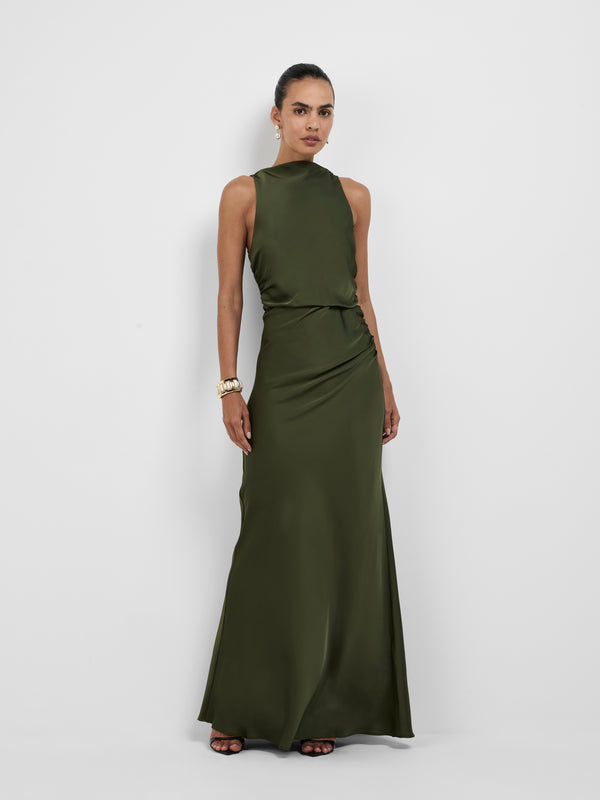
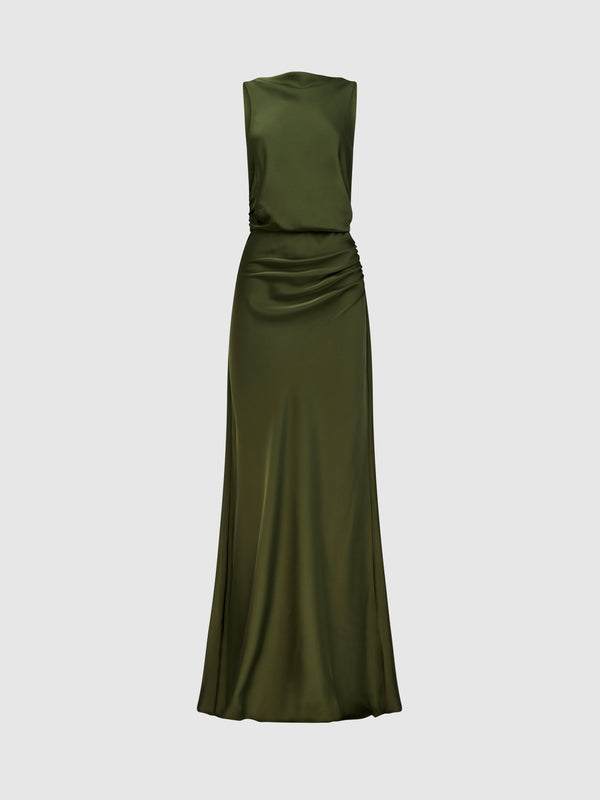
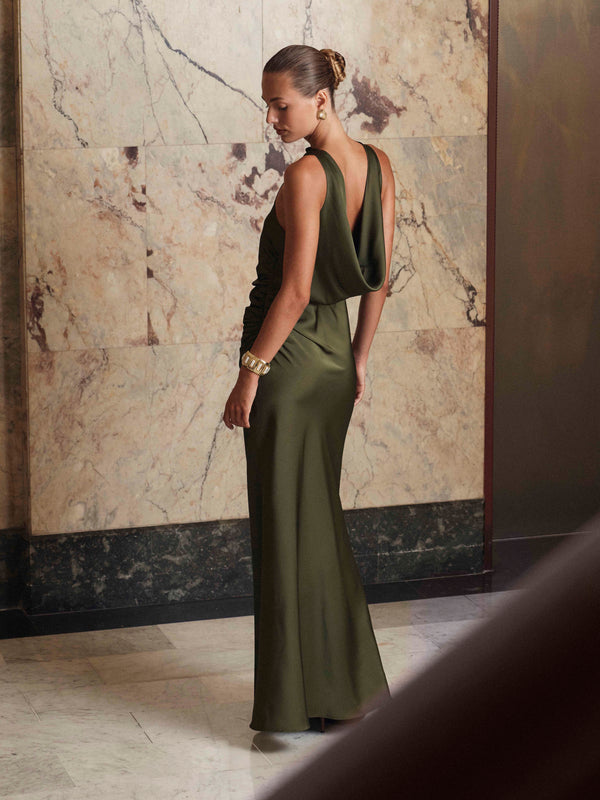
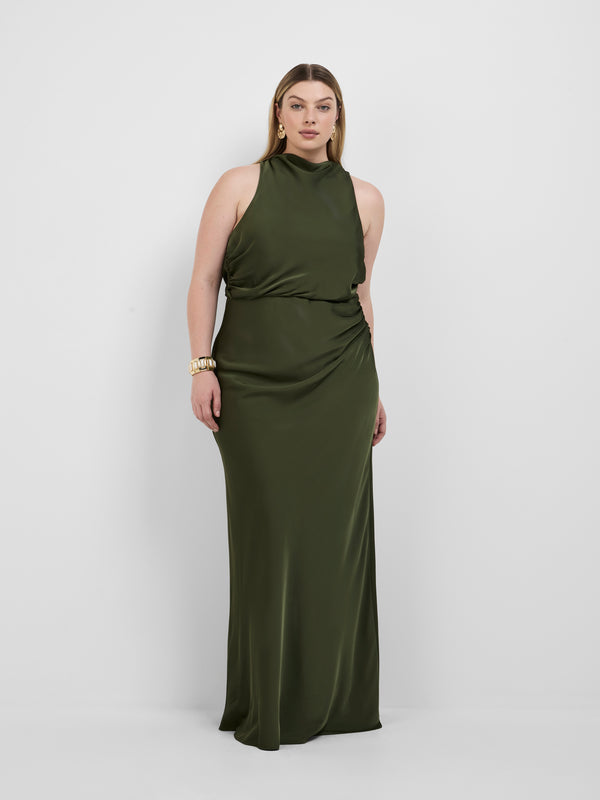
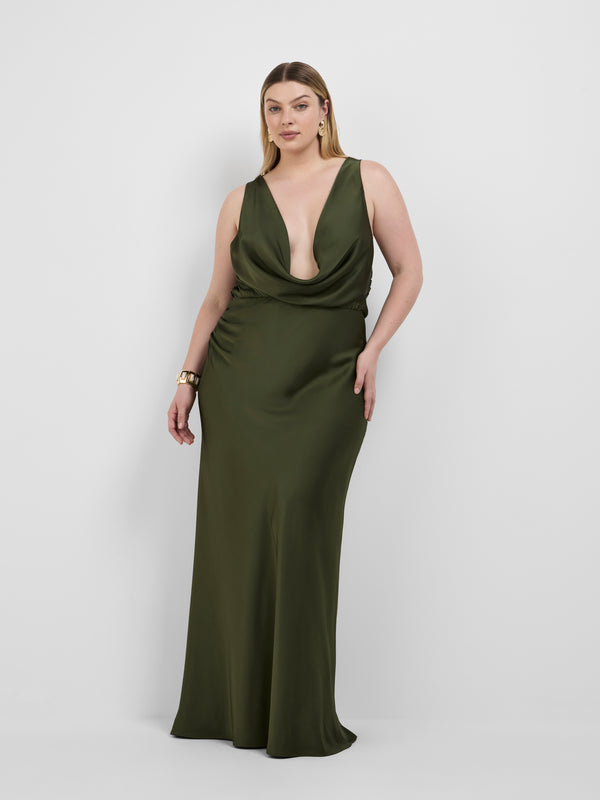
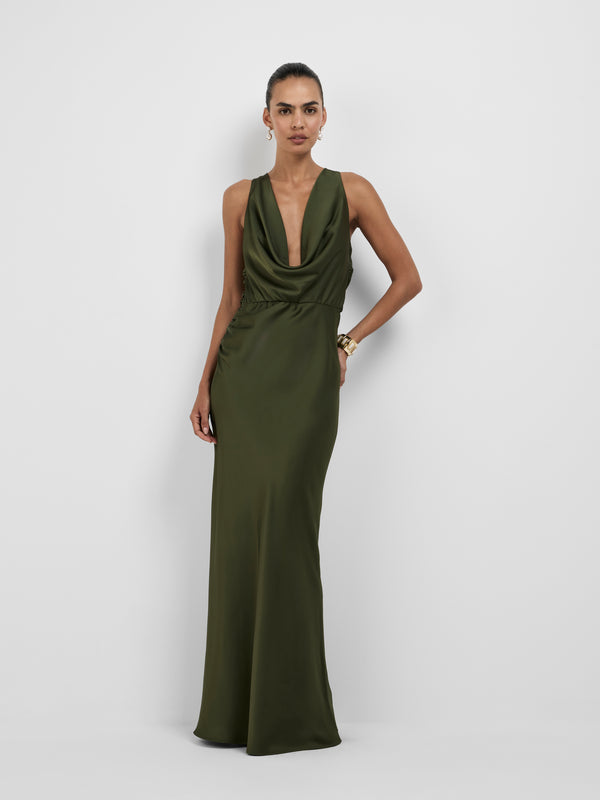
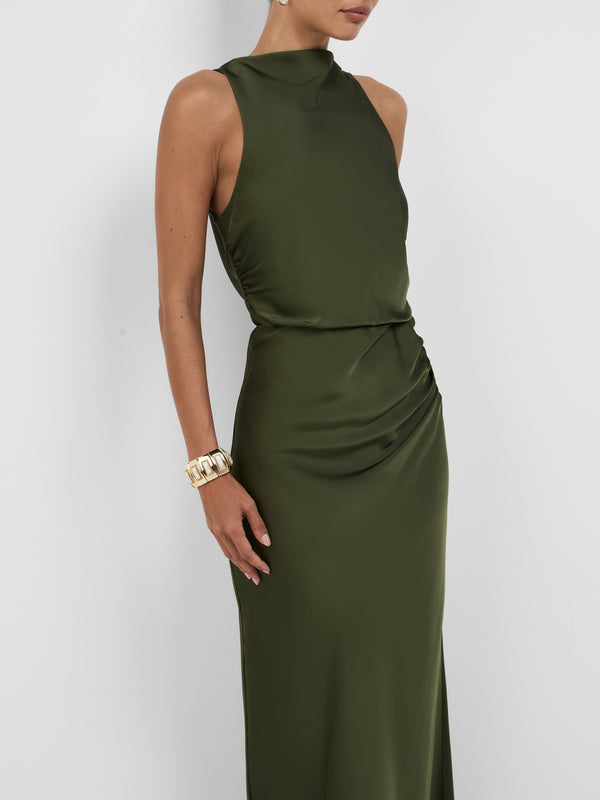
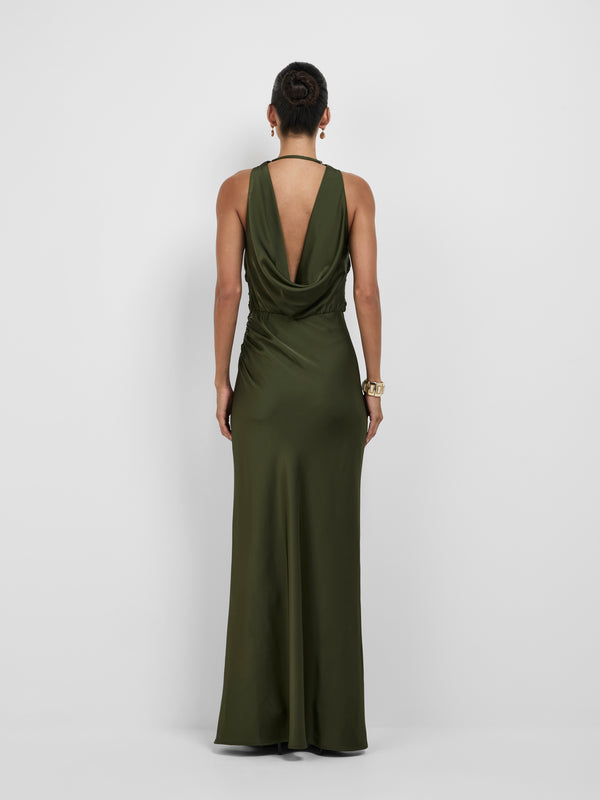
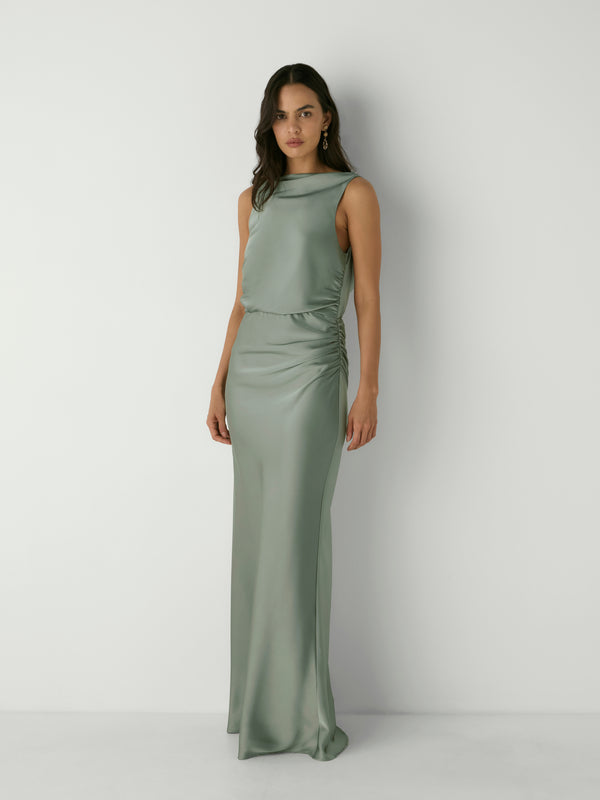
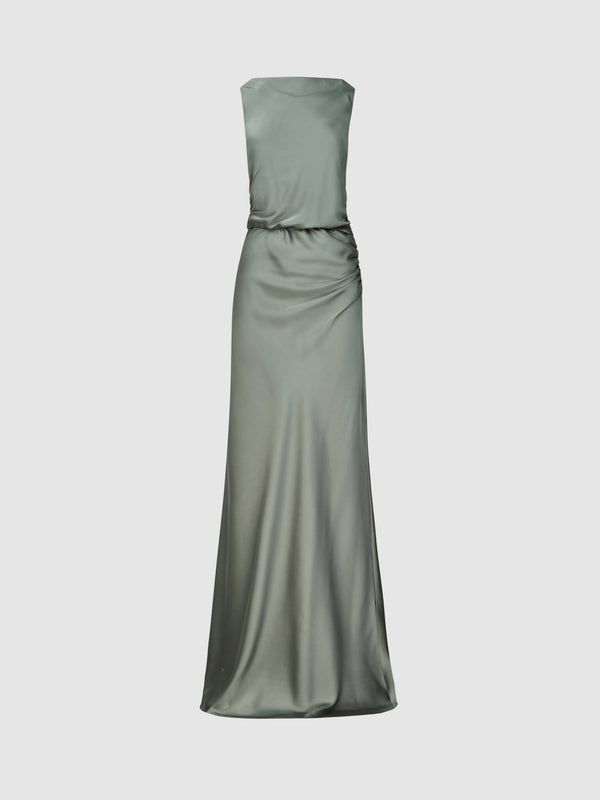
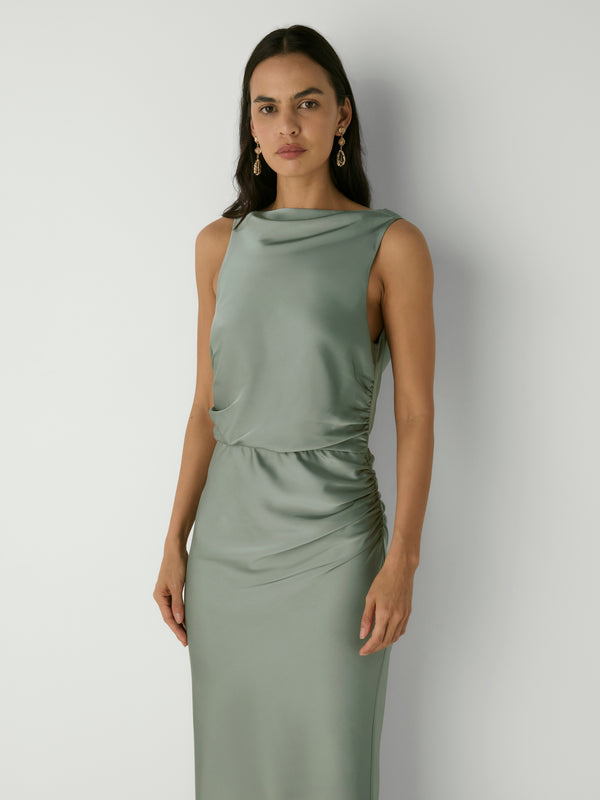
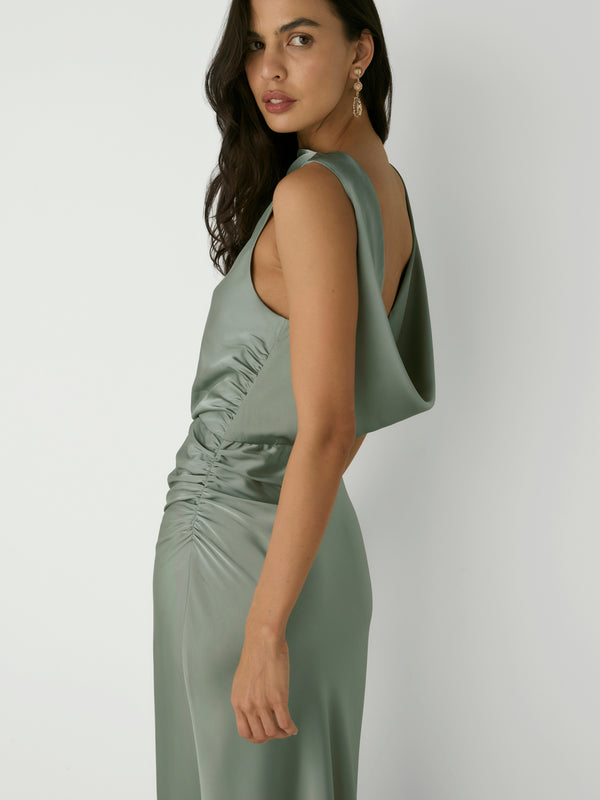
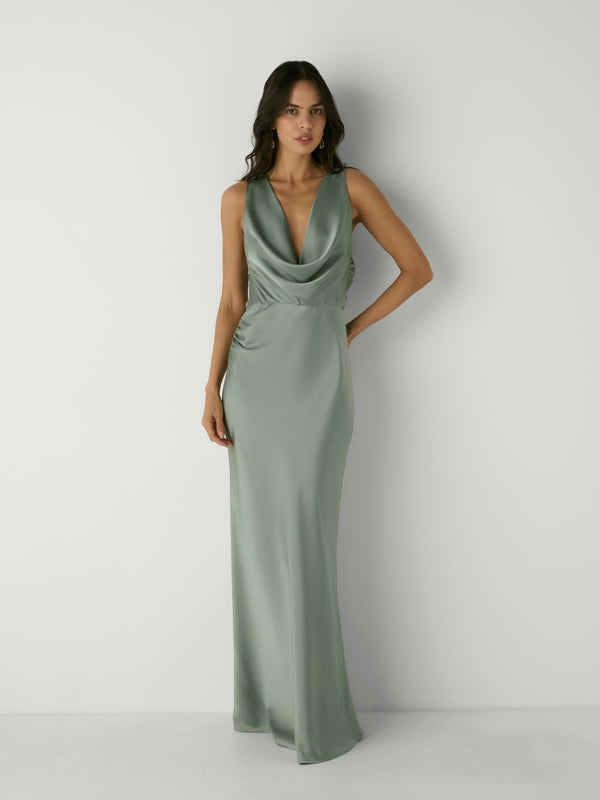
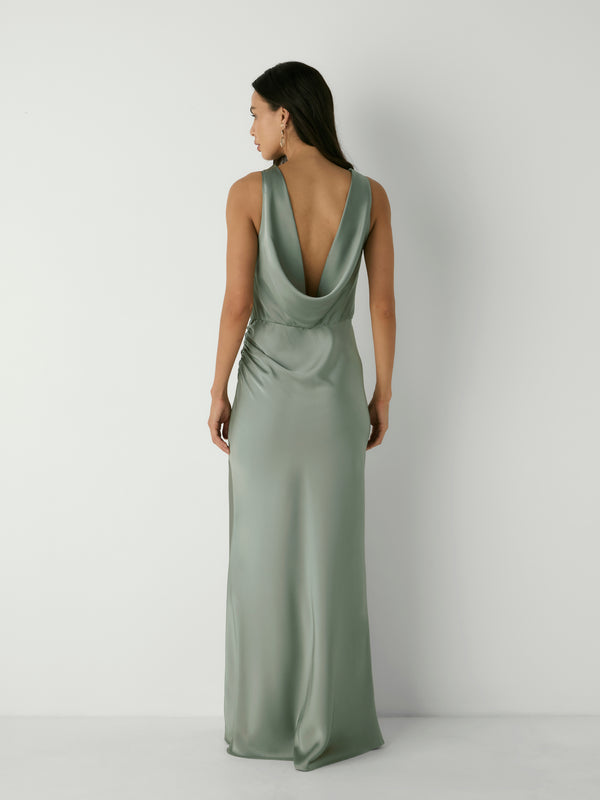
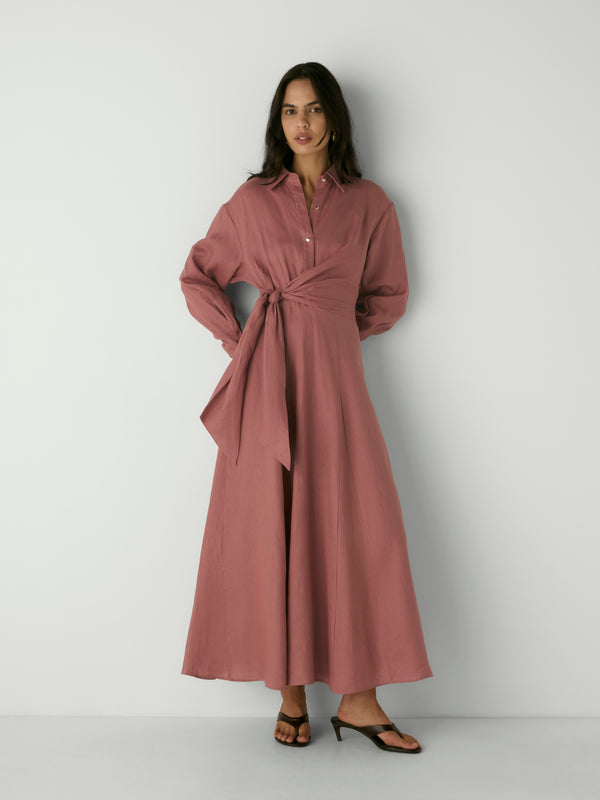
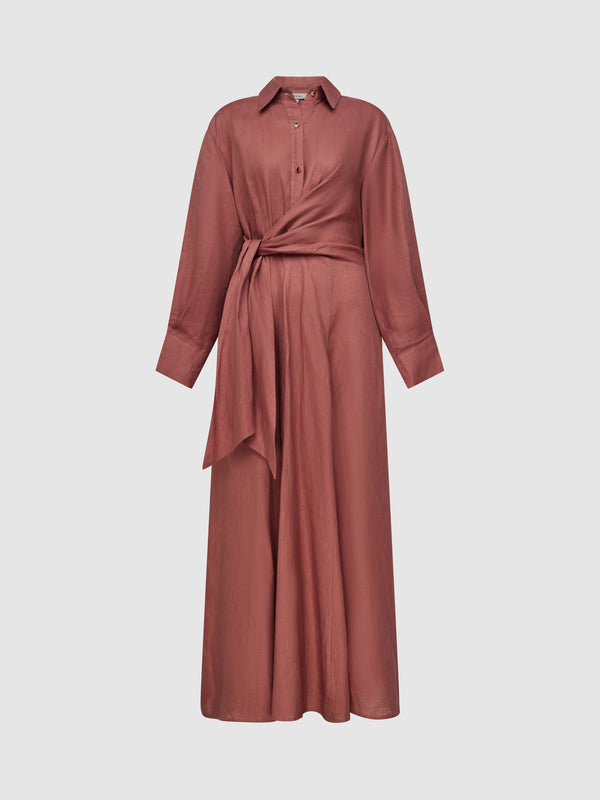
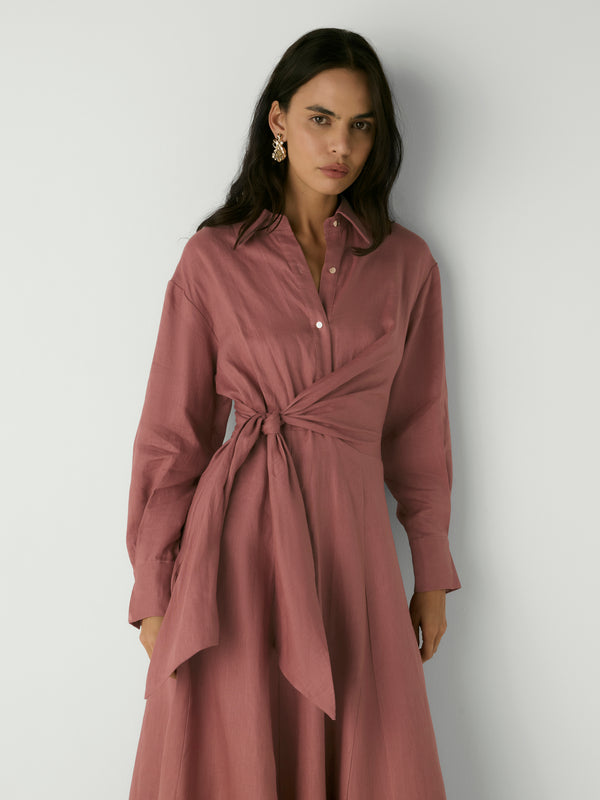
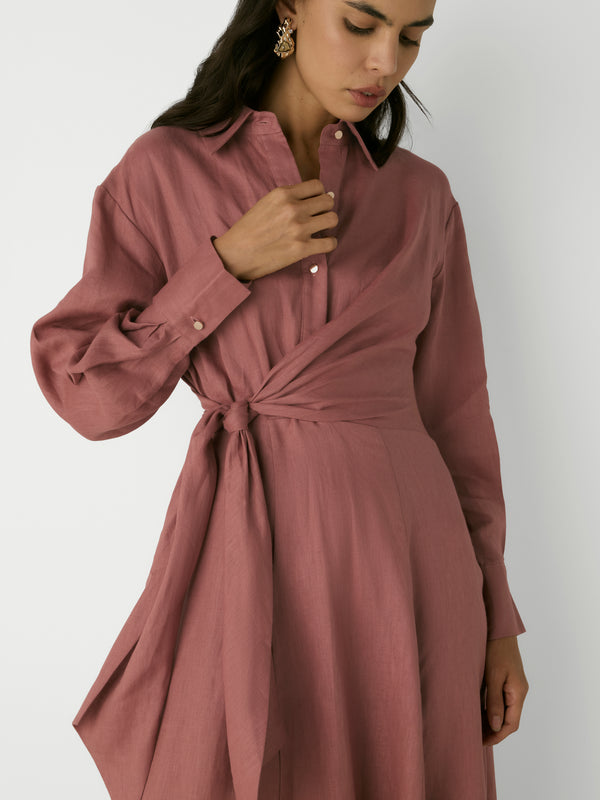
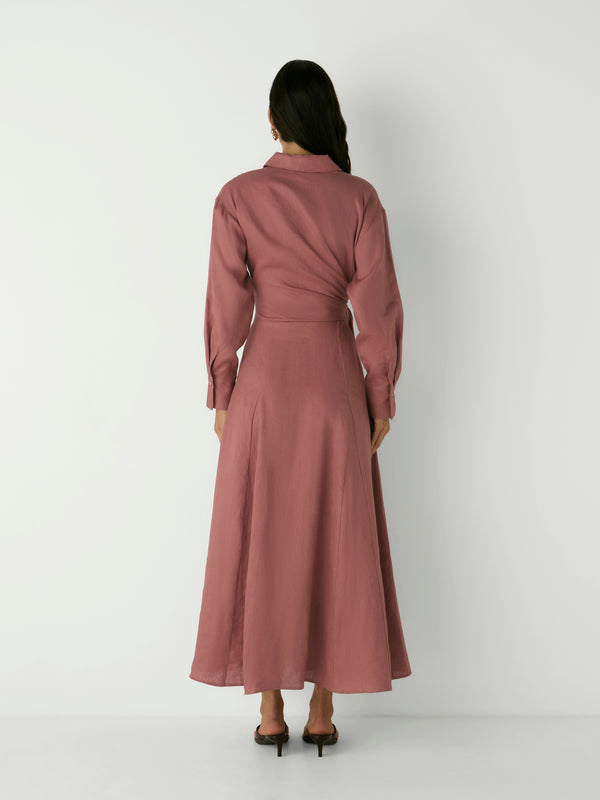
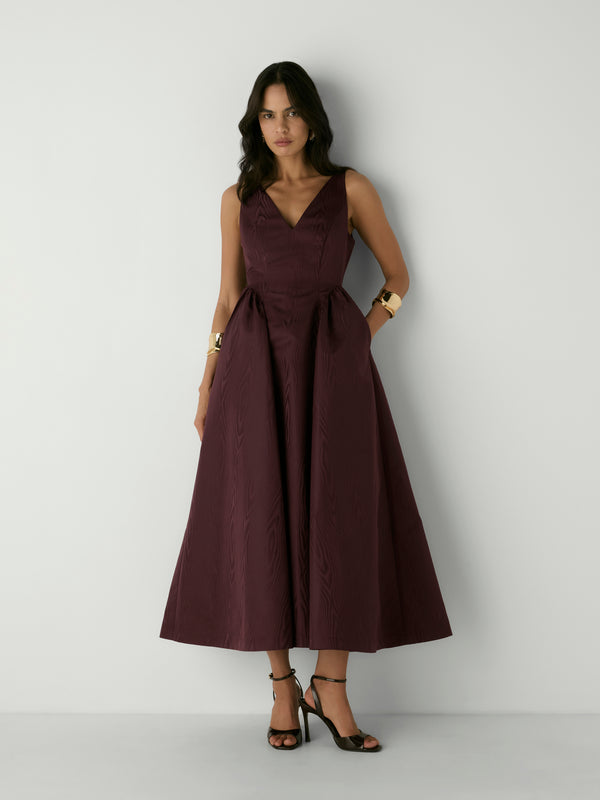
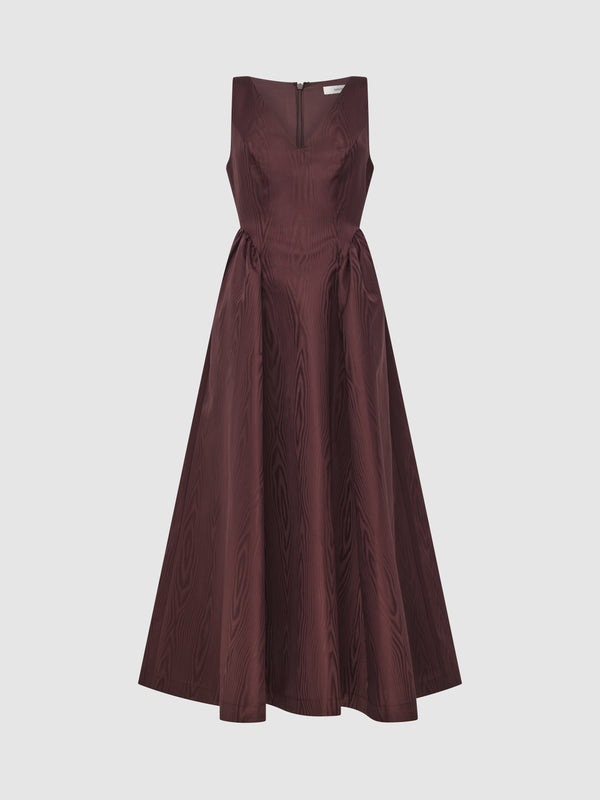
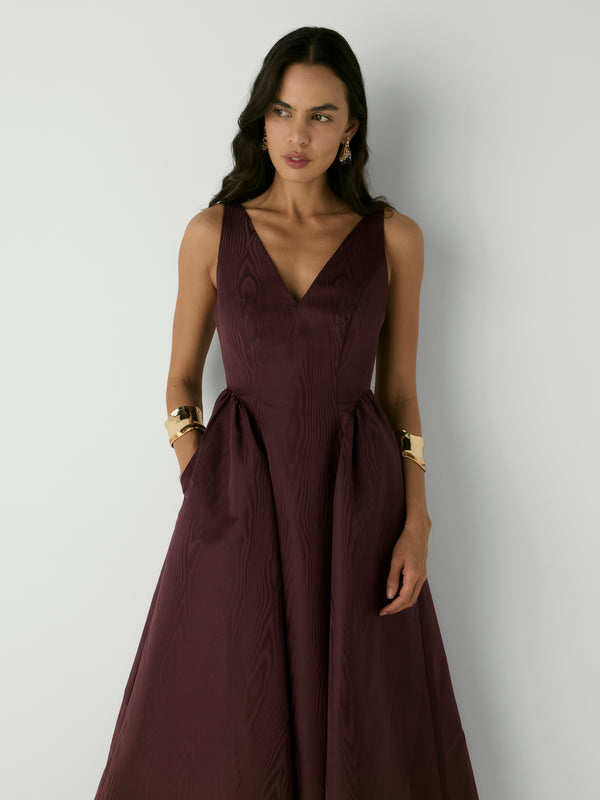
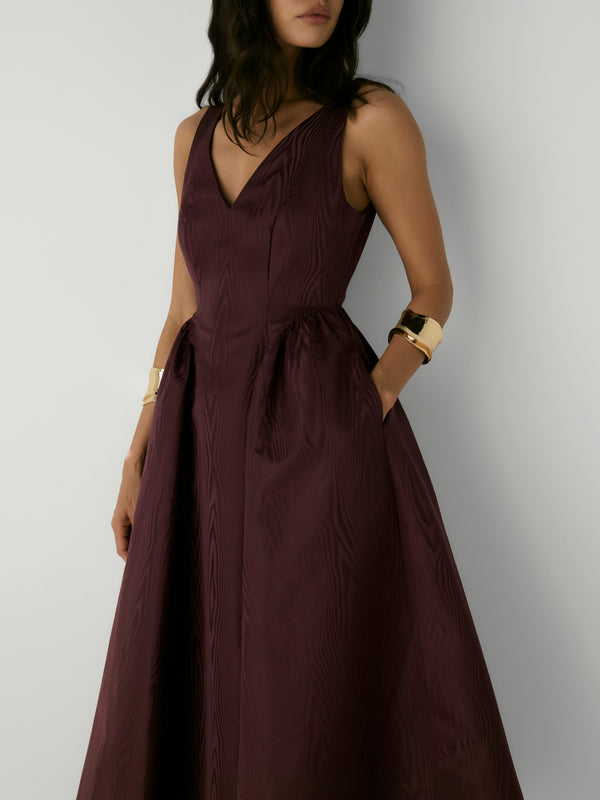
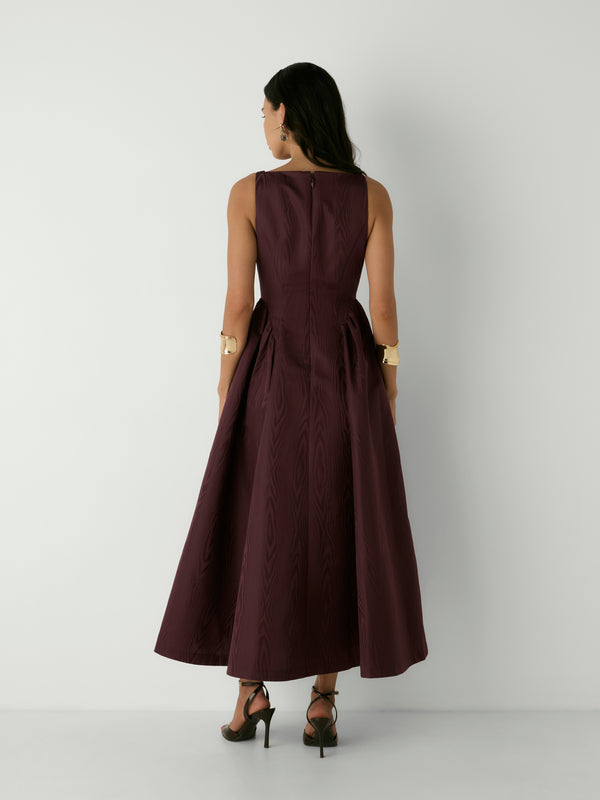
A maxi dress is a dress that falls to the ankle or the floor, making it the longest of the three standard dress lengths, sitting below both midi and mini. It usually has a fitted or gathered bodice with a flowing skirt, and works as easily for a beach holiday as it does for a black tie event.
Not every maxi dress is built the same way, and the style changes how it wears as much as the fabric does.

A maxi dress works best when you balance the length with the right shoes and accessories. Flat sandals keep it casual for daytime, while a heel, even one hidden under the hem, adds height for evening. A belt at the waist stops a looser maxi from looking shapeless, and a light jacket or wrap covers you for cooler evenings without hiding the dress underneath. It's an easy length to reach for in Australia specifically, since a lightweight, floor-length dress suits the climate for a good part of the year. Since most of the shoe disappears under the hem anyway, comfort is a fair thing to prioritise over how it looks. Our maxi dresses have options that go from beach-ready to formal.
A few practical details are worth knowing before you commit to a maxi. Linen and cotton wrinkle more easily than a synthetic blend, so a quick steam before wearing keeps the length looking crisp rather than crumpled. If the dress has a halter or strapless top, a stick-on or strapless bra avoids visible straps that a normal bra can't hide. Walking in a full-length hem takes a little getting used to, holding the fabric slightly on stairs or getting in and out of a car stops it catching underfoot.

The main difference between the three comes down to hemline. A mini dress finishes at or above the knee, a midi sits between the knee and ankle, and a maxi runs all the way to the ankle or floor. Reach for a maxi when the occasion calls for a bit more polish, or when you want the dress to do the work of an evening look with almost no extra styling. If you're still deciding which length suits you, the full dresses range is worth a browse.

Not quite, though the two overlap. A gown usually refers to a more formal, often structured floor-length dress built specifically for black tie, bridal or major event wear, typically in a special-occasion fabric like satin, tulle or a heavier silk, and it's rarely designed for daytime. A maxi dress is a broader category that includes everyday and holiday styles as well as formal ones, so while every gown is technically maxi length, not every maxi dress is dressy enough to count as a gown. If you're after something with that extra level of formality, our ball dresses and gowns collection sits at the more structured, occasion-specific end of the maxi length.
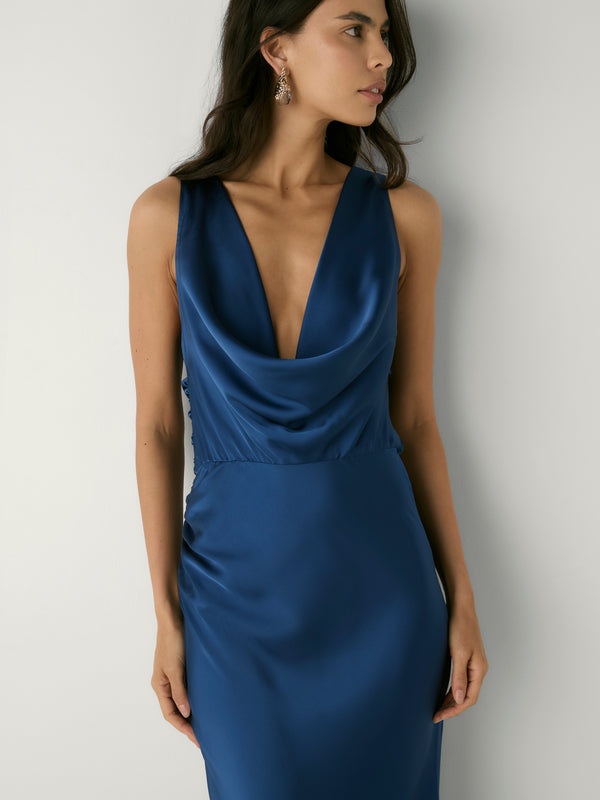
Yes, a maxi dress is one of the most common choices for formal and black tie events, especially in a fabric like satin or silk with more structured detailing at the bodice.
Yes, as long as the hem is taken into the right length and the waistline sits in the right place. A slit or a higher waist also helps stop the length from overwhelming a shorter frame.
Yes, especially in a heavier fabric like knit, ponte or a thicker jersey rather than lightweight linen or satin. Pair it with boots, a coat or knitwear layers, since the length already does most of the work of keeping you warm.
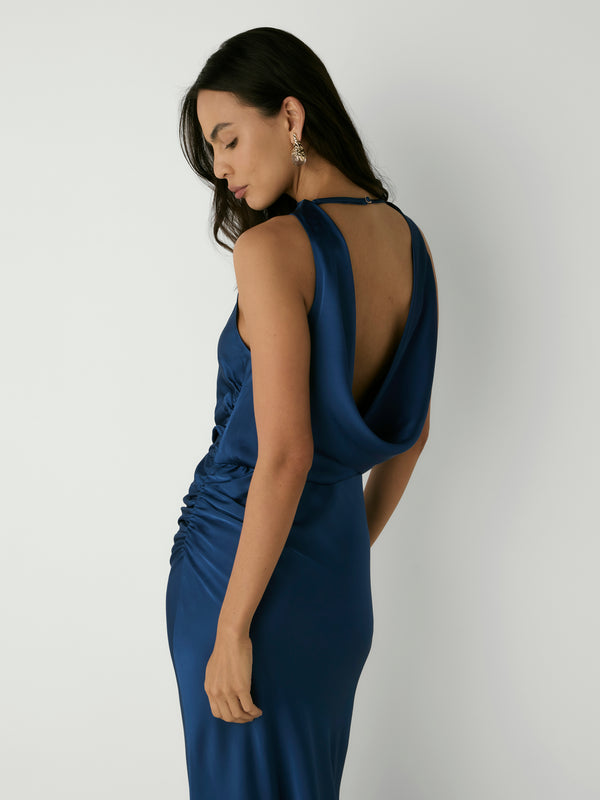
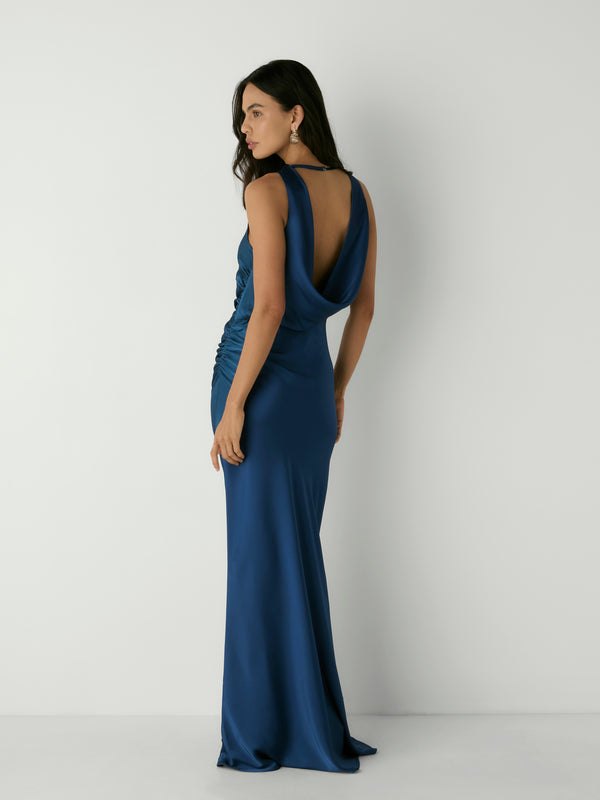
A simple, structured maxi in a solid colour can work in a creative or relaxed office, though a fitted midi is usually the safer choice for a more traditional workplace. Save anything with a slit, sheer panelling or an open back for outside work hours.
Most cotton, linen or jersey maxi dresses can go on a cold, gentle machine cycle, while silk and satin styles are safer hand washed or dry cleaned. Always check the care label first, since evening fabrics tend to need gentler treatment than daytime cottons and linens. Hang a maxi dress rather than folding it where you can, since the length is more likely to crease across a shelf, and a steamer works better than an iron for delicate fabrics like silk or chiffon.