Fashion
Formal Dress Code for Women: What to Wear, Including Semi-Formal
A formal dress code asks for an elegant evening outfit, usually a floor-length or very polished midi dress, worn to events that start after 5pm. If your invitation says formal or semi-formal and you are unsure how dressy to go, this guide explains the difference and shows what to wear.
You will find advice on formal and semi-formal dresses, fabrics and colours, wedding guest outfits, business formal, seasonal choices, accessories and common mistakes.

A formal dress code asks for your most polished evening outfit. It sits below black tie and above cocktail attire, so a long dress is the safest choice, although a dressy midi in a rich fabric is accepted at many events.
You will usually see it on invitations to:
Three clues help you decide how dressy to go. The invitation says "formal", the event starts in the evening, and the venue is a hotel, ballroom, restaurant or estate.
Formal asks for a long or very polished dress, while semi-formal allows a shorter hem and lighter fabrics. Both sit between business casual and black tie.
| Dress code | Typical hem | Fabrics | Example outfit for women |
|---|---|---|---|
| Business formal | Knee-length | Crepe, wool, ponte | Suit or dress with a blazer and closed shoe |
| Semi-formal | Knee-length to midi | Satin, crepe, lace | Midi dress with heels and a clutch |
| Formal | Midi to floor-length | Satin, velvet, chiffon | Long dress or formal jumpsuit with heels |
| Black tie | Floor-length | Satin, velvet, silk | Floor-length gown |
If an invitation falls between two levels, dress for the higher one. A formal dress in a rich fabric works at a semi-formal event, but a casual dress rarely works at a formal one.

You have three reliable options: a long dress, a formal jumpsuit or a polished two-piece set. Each one works when the fabric looks rich and the fit looks considered.
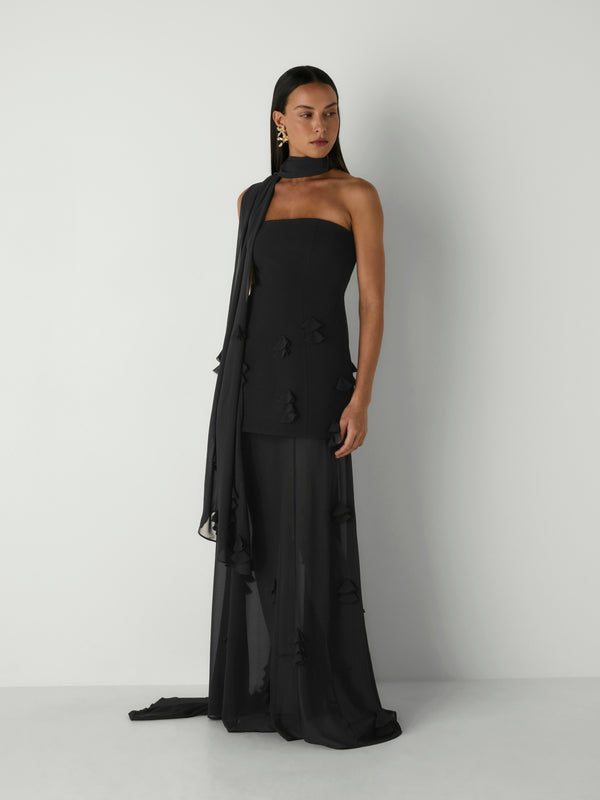
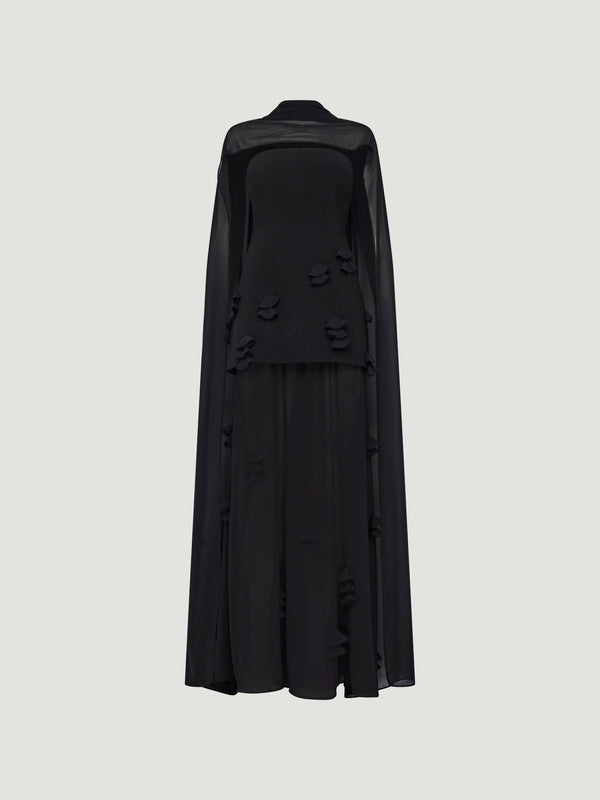
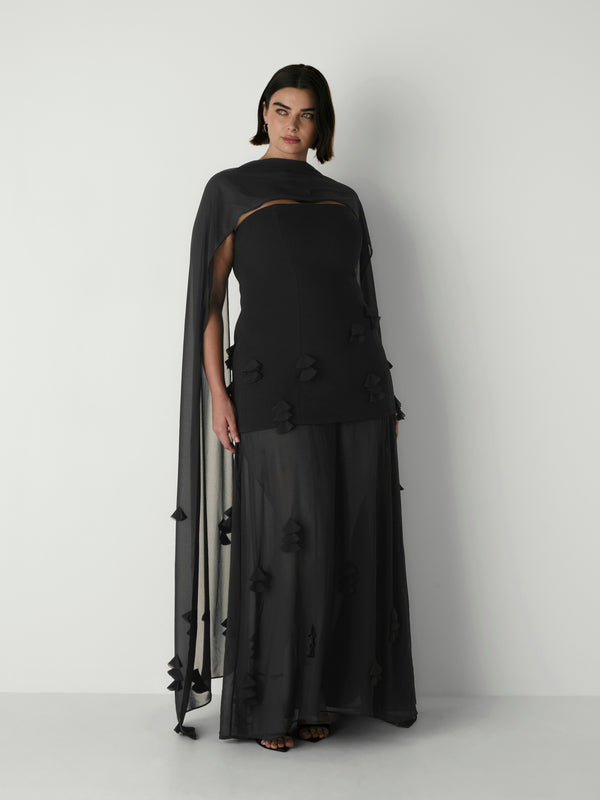
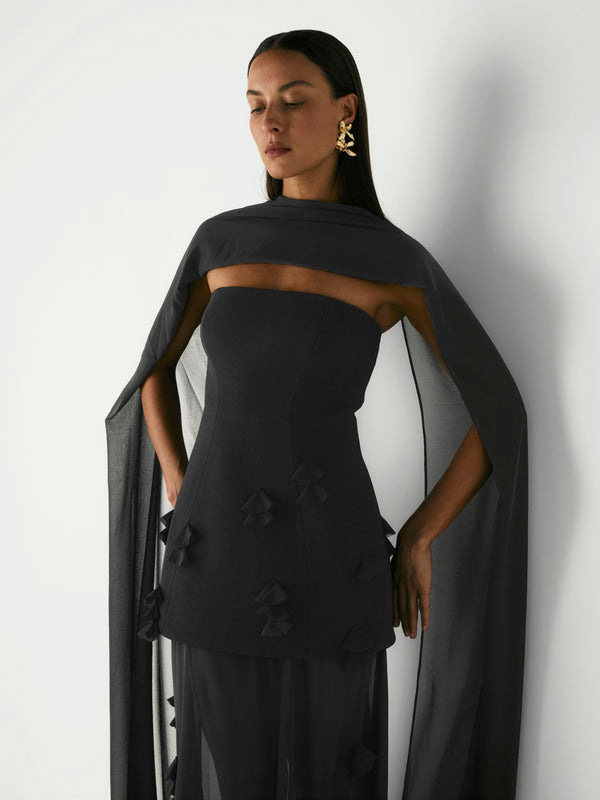
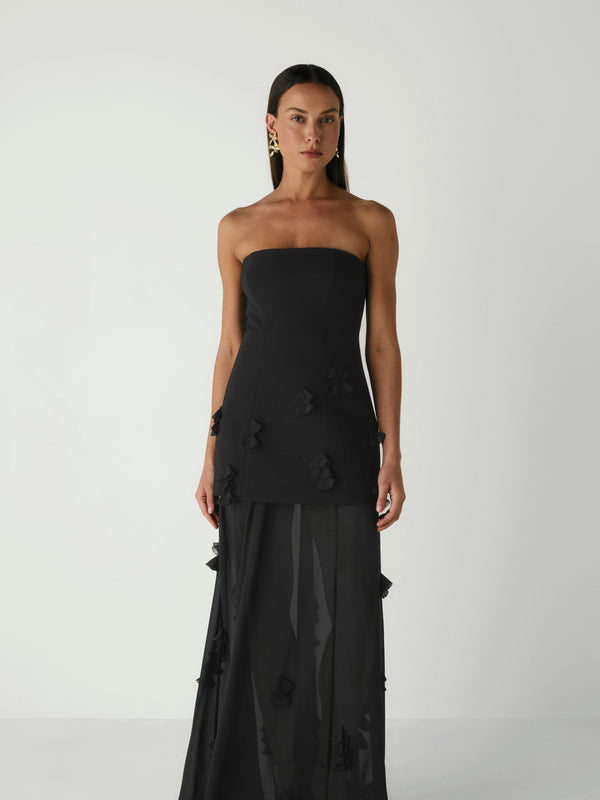
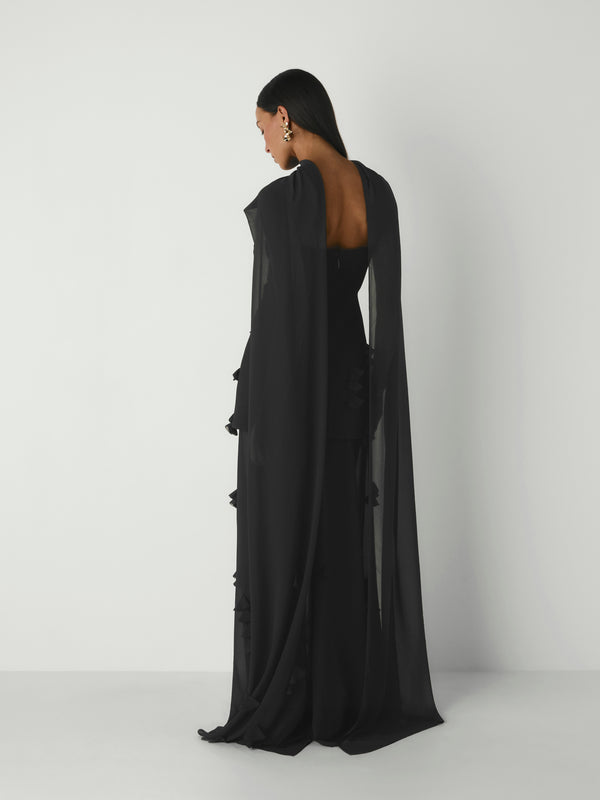
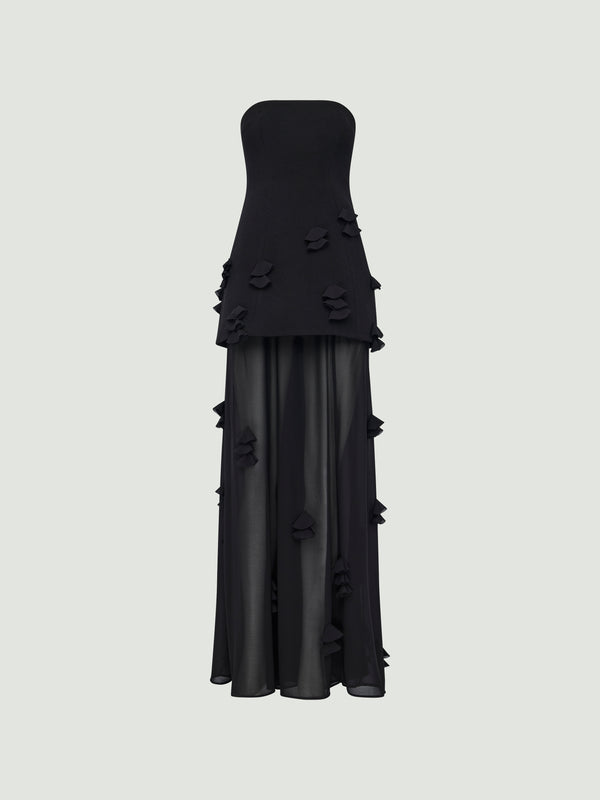
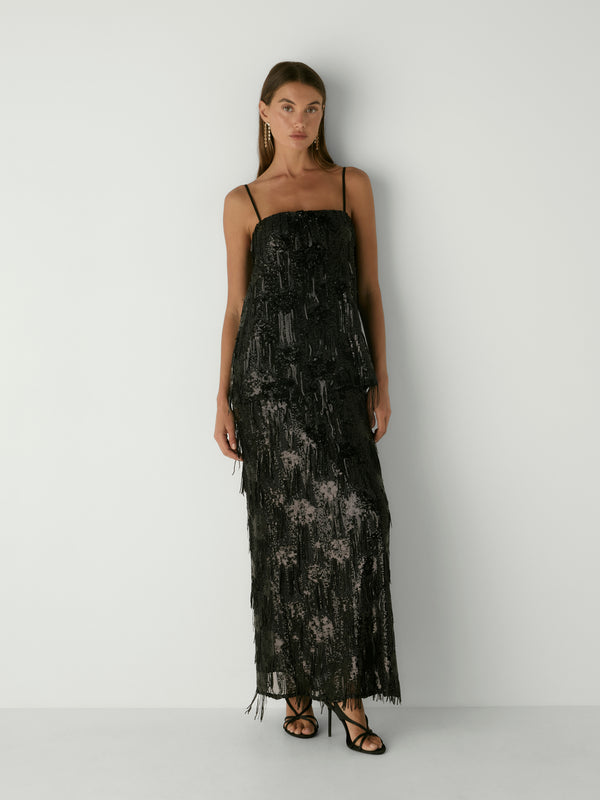
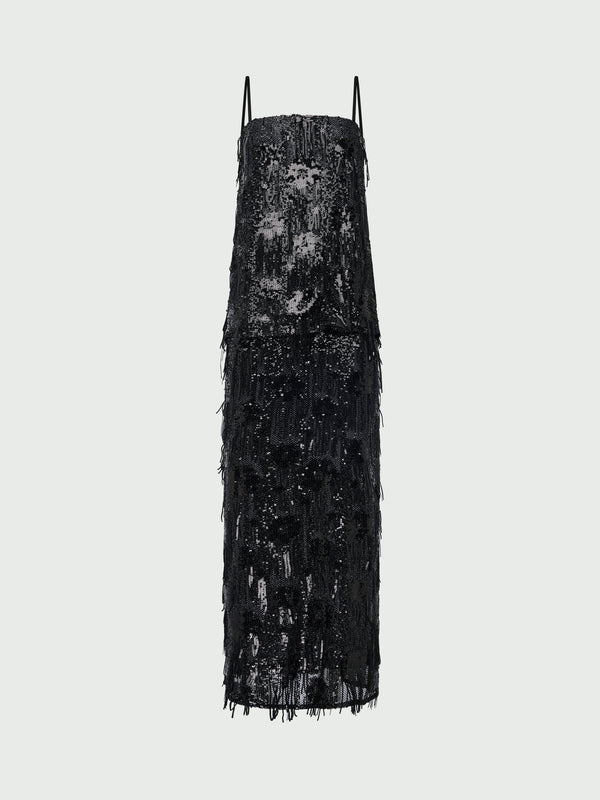
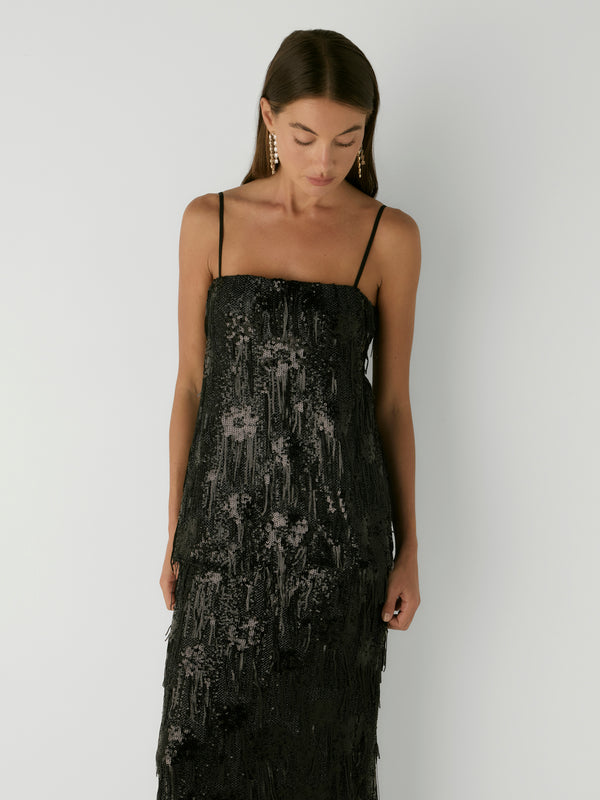
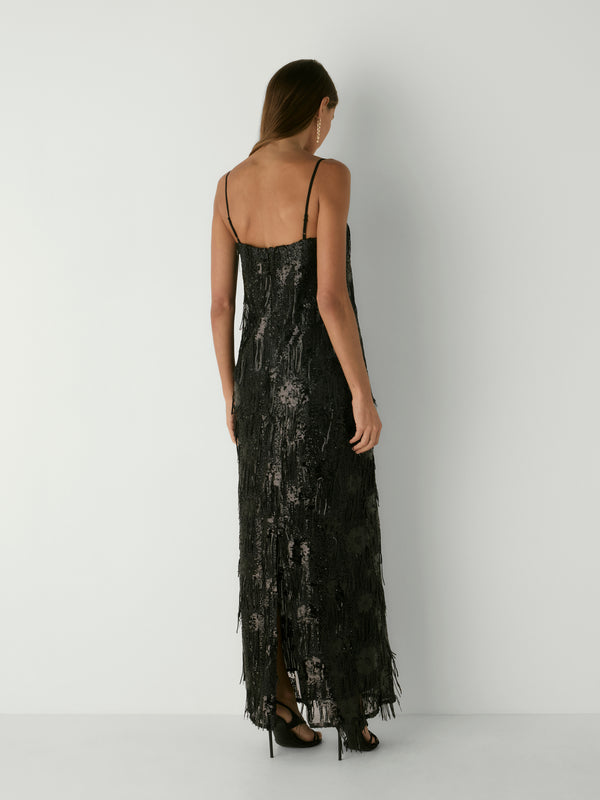
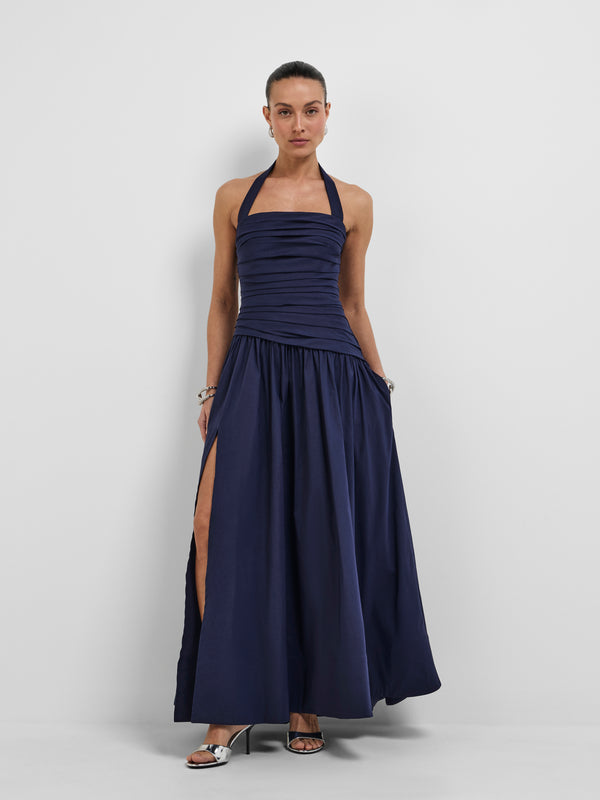
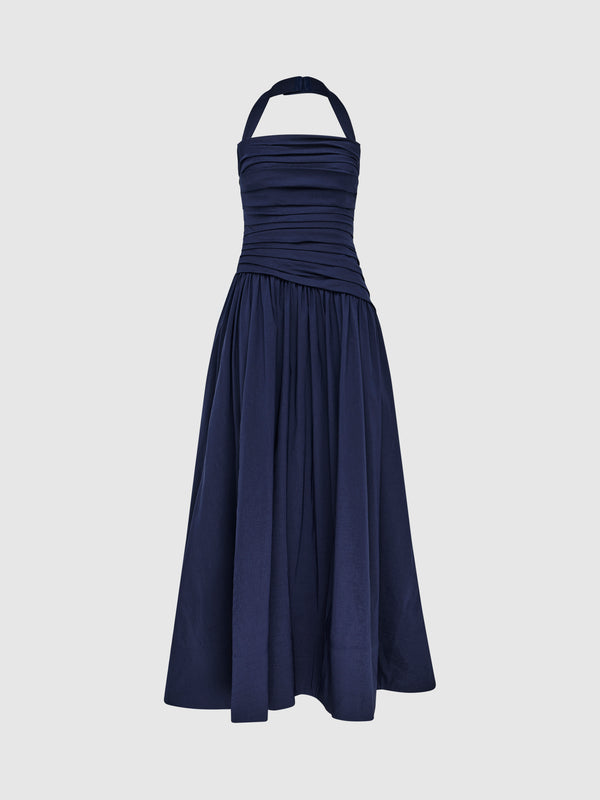
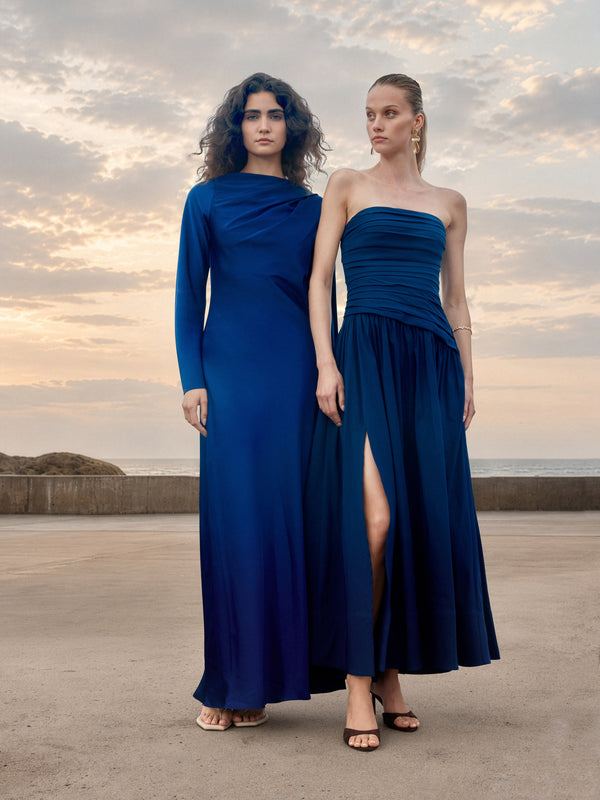
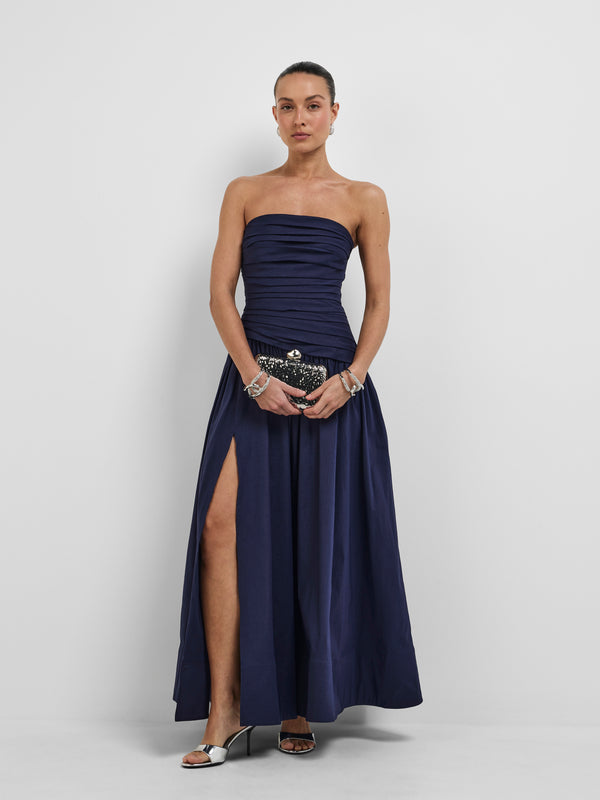
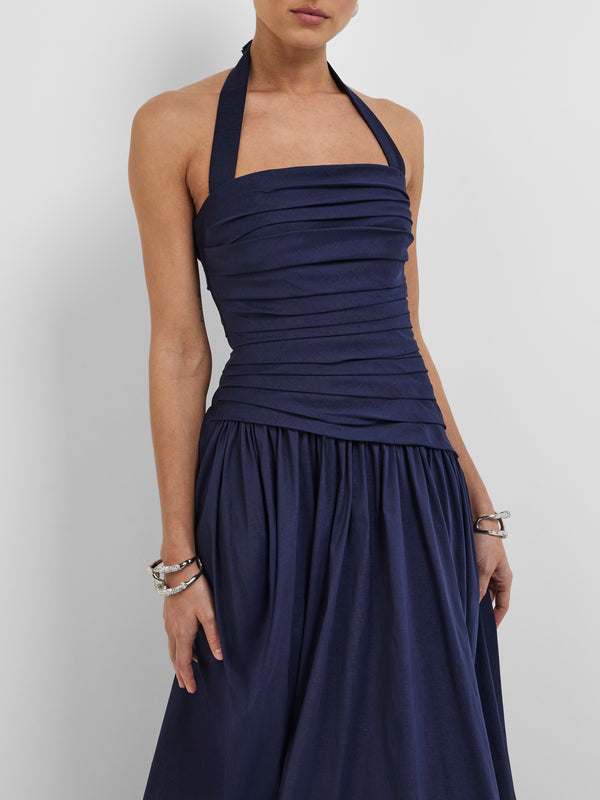
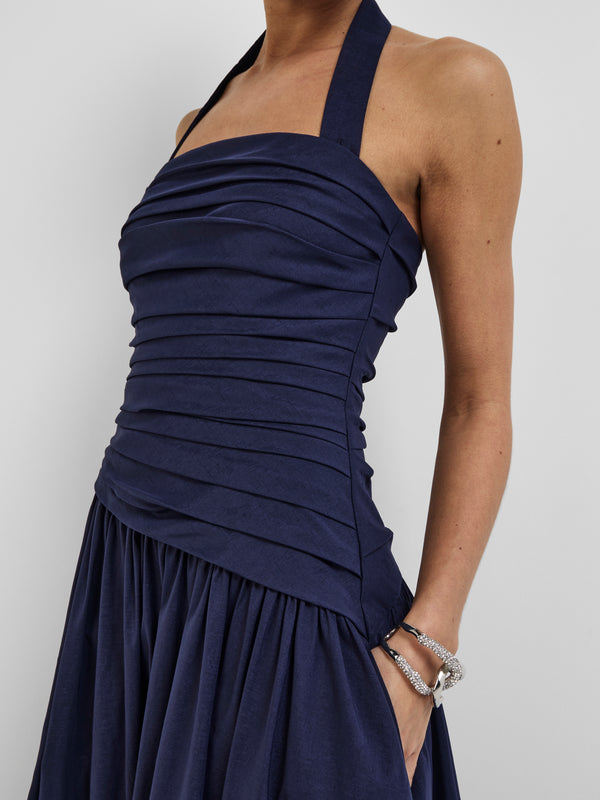
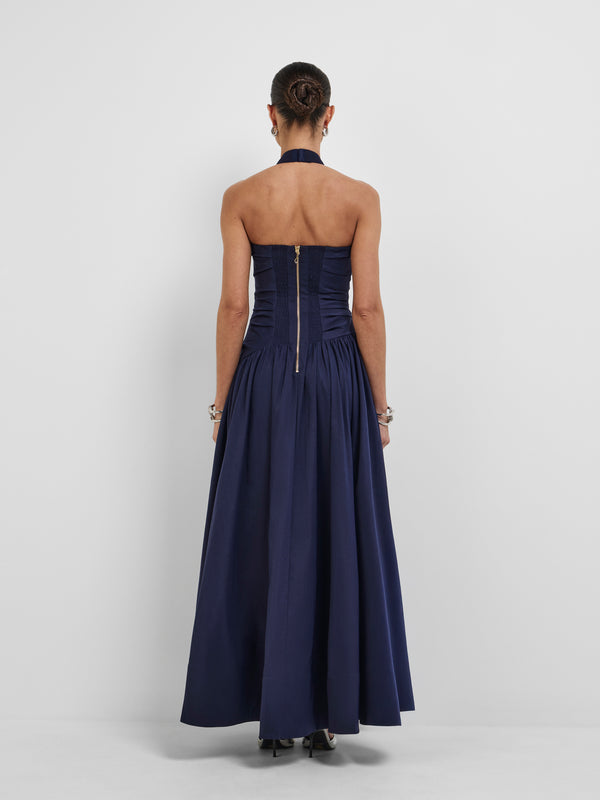
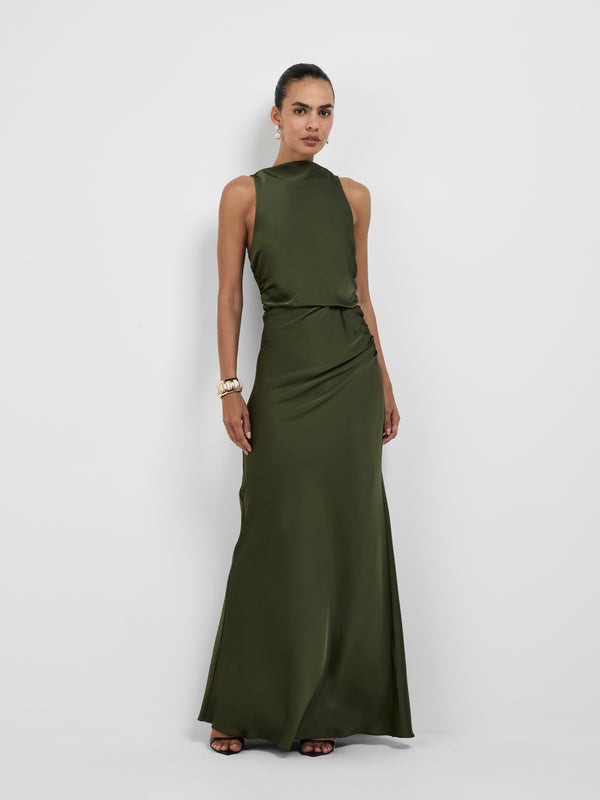
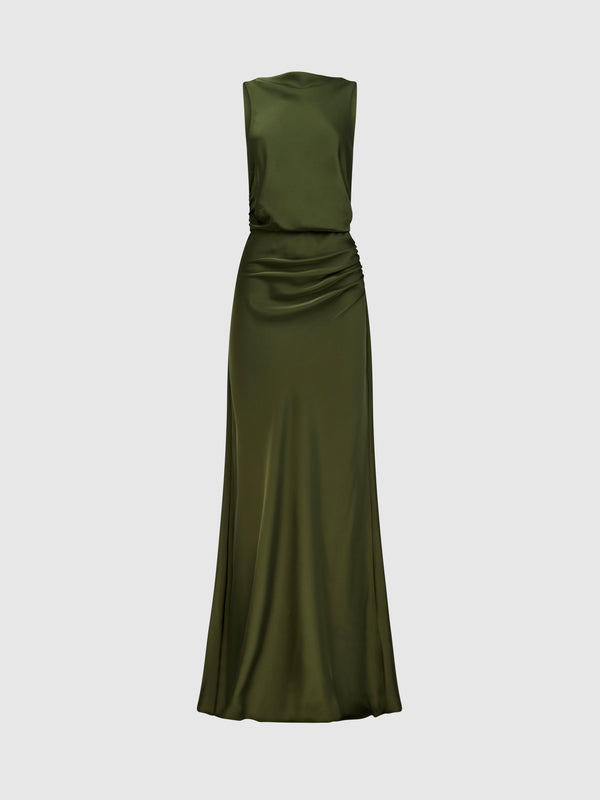
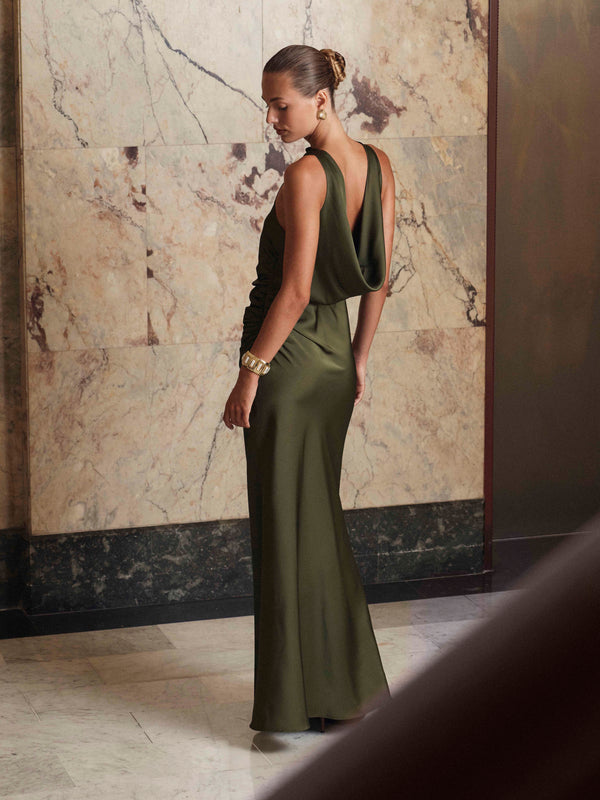
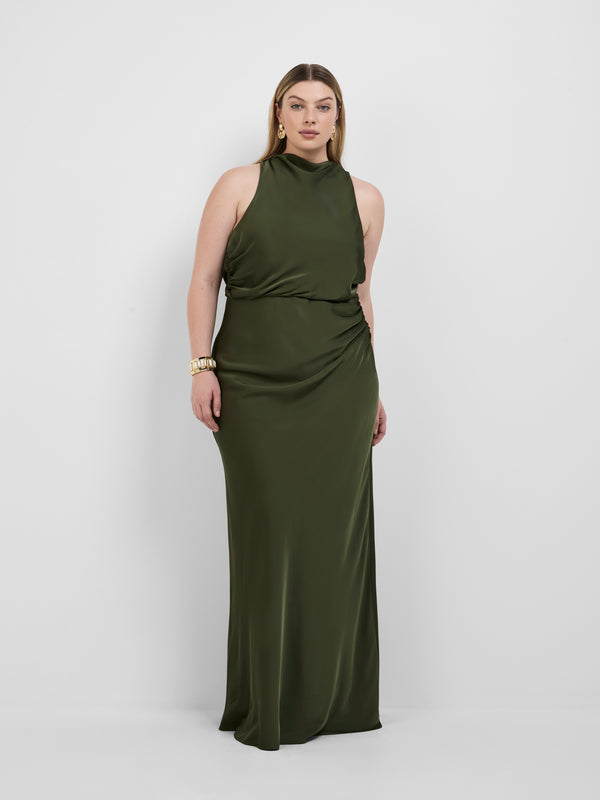
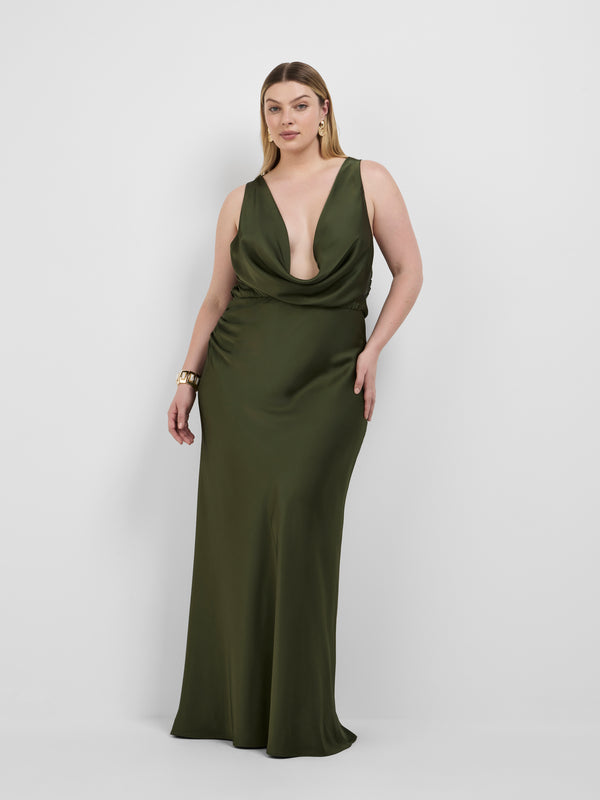
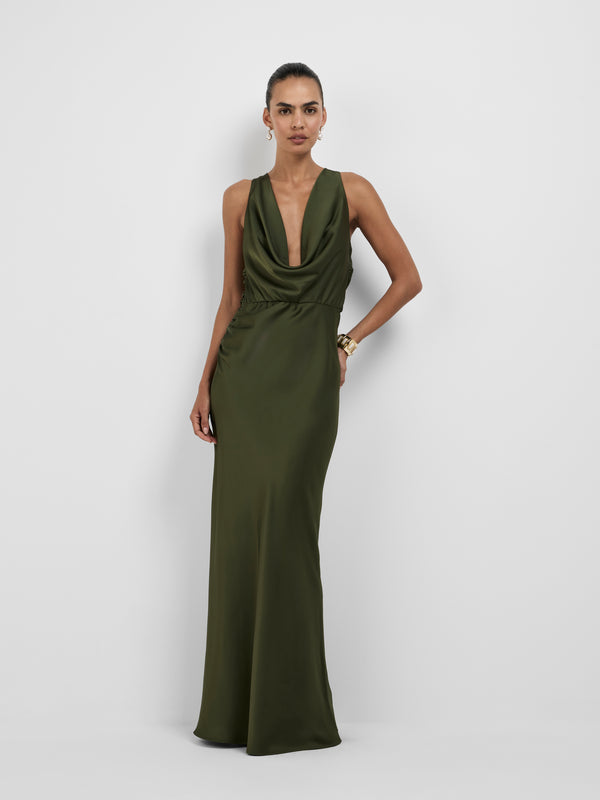
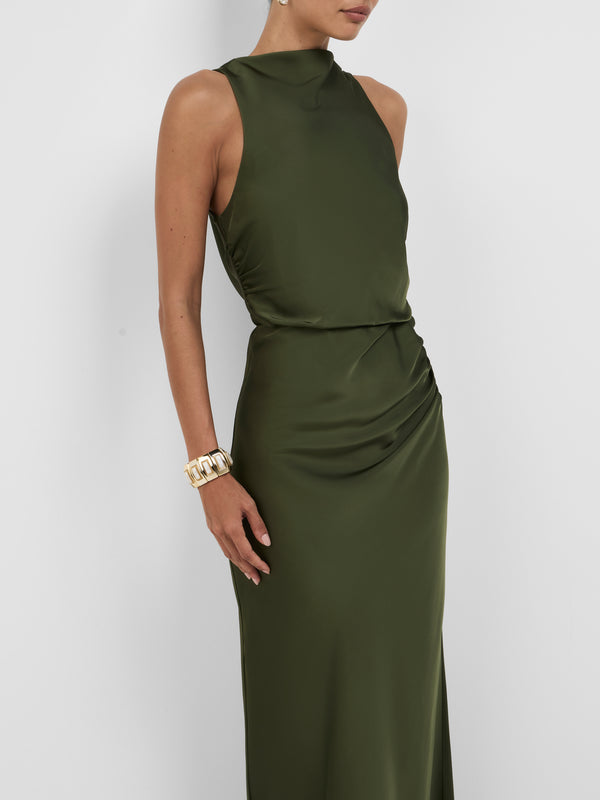
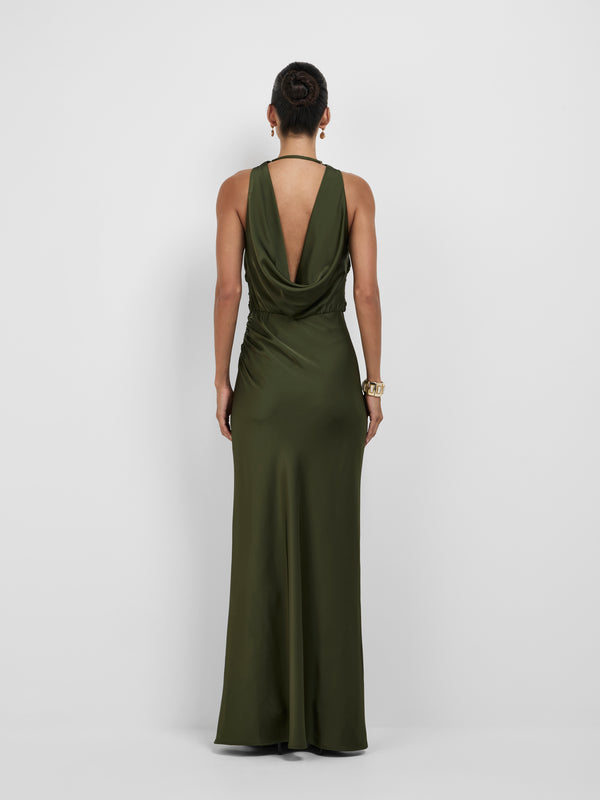
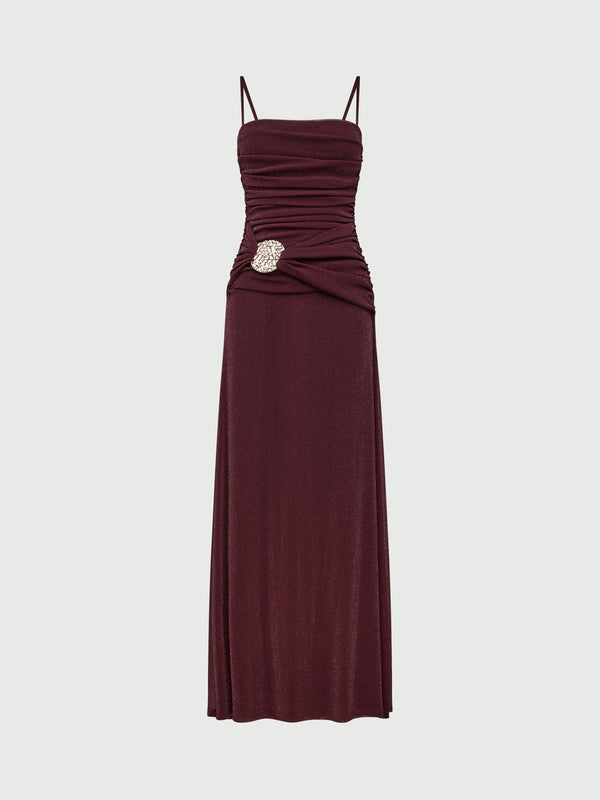
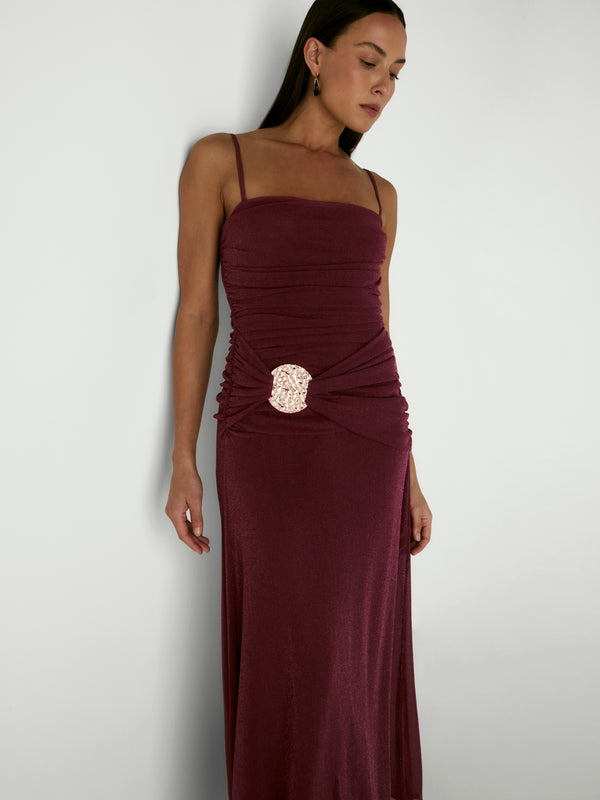
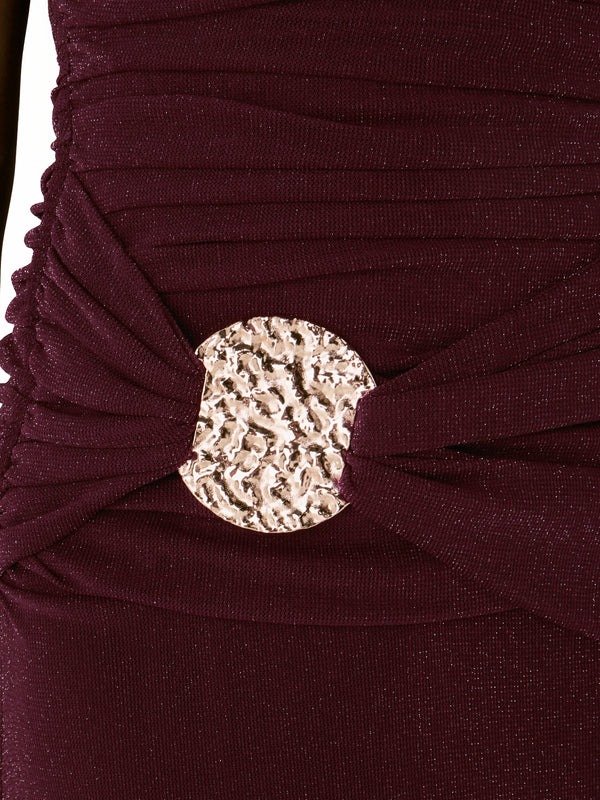
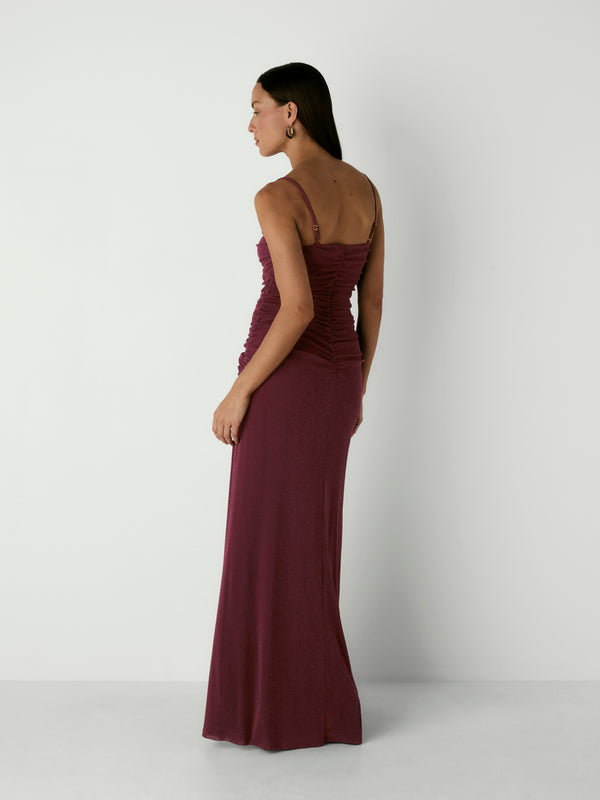
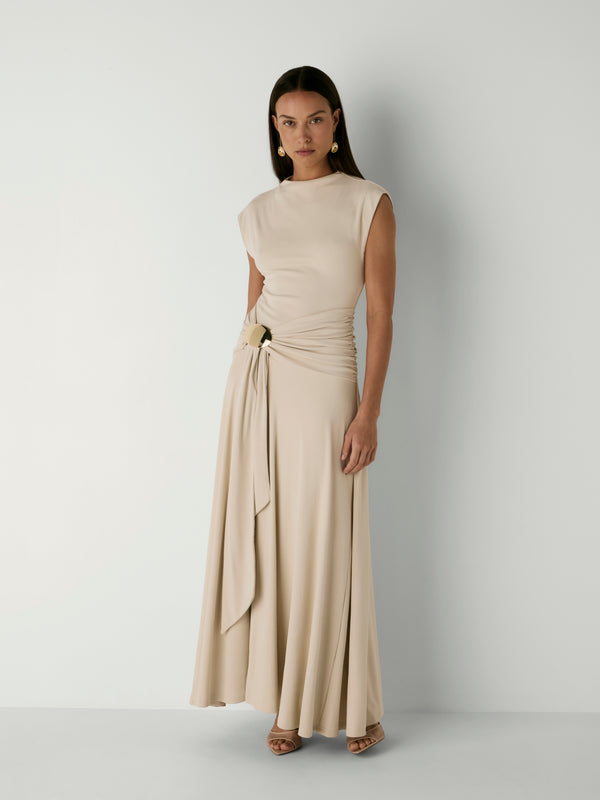
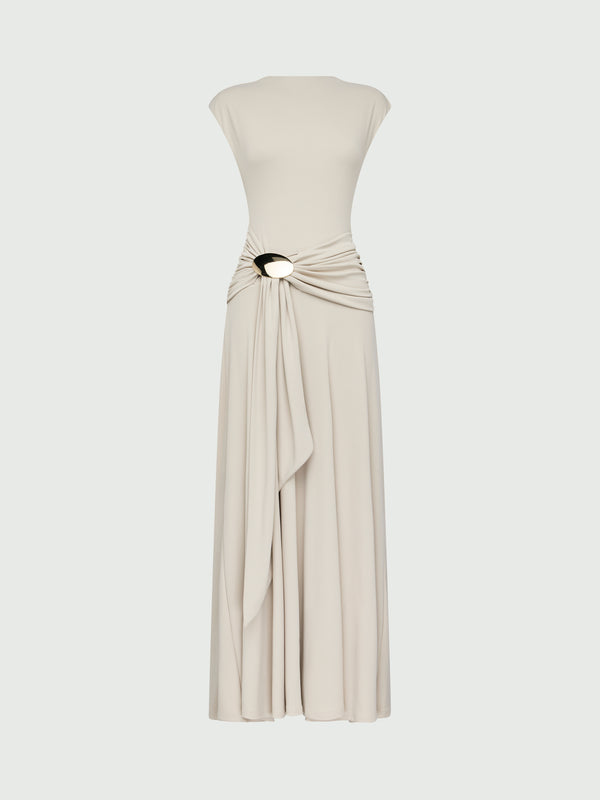
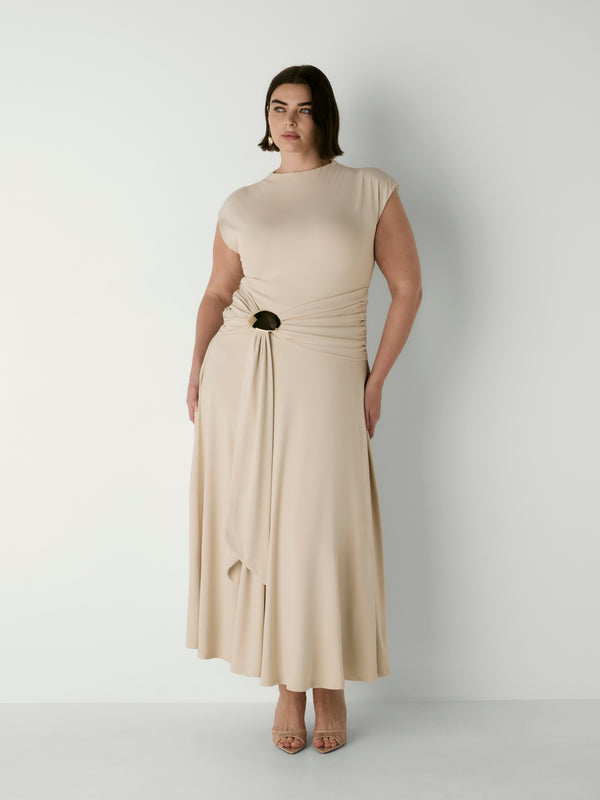
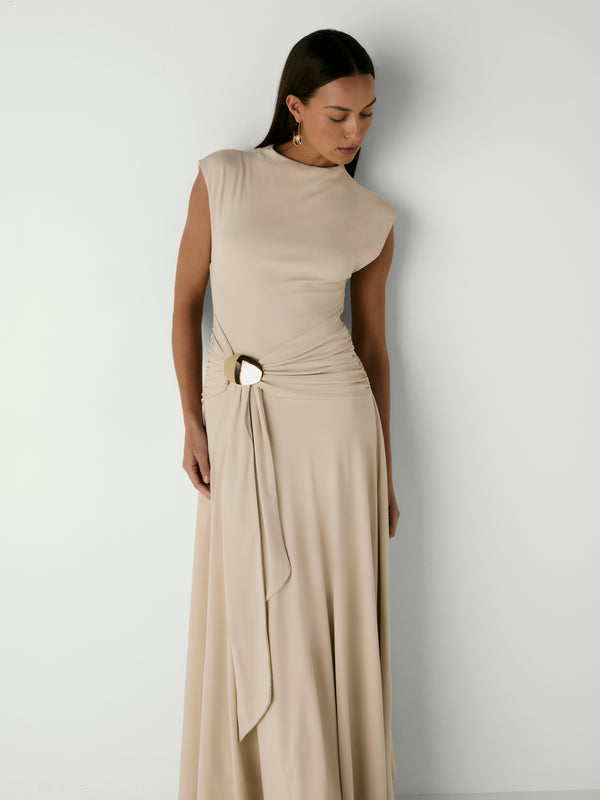
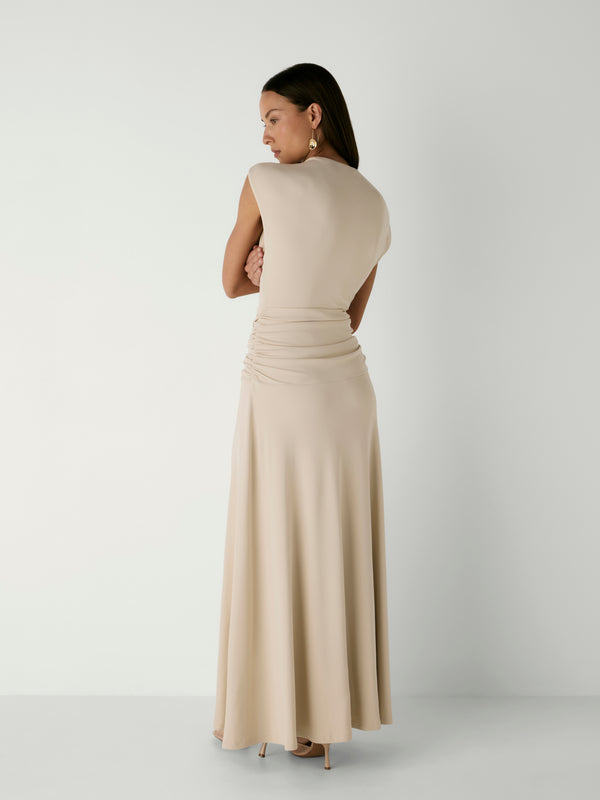
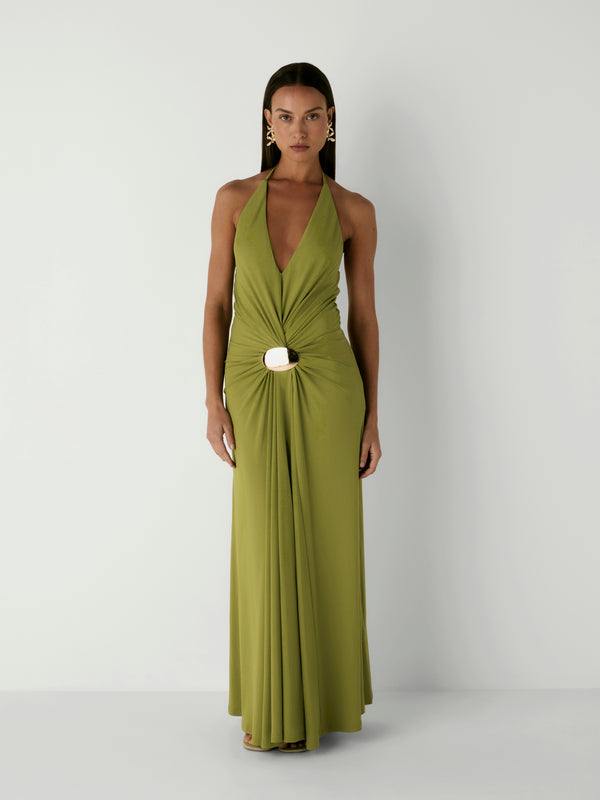
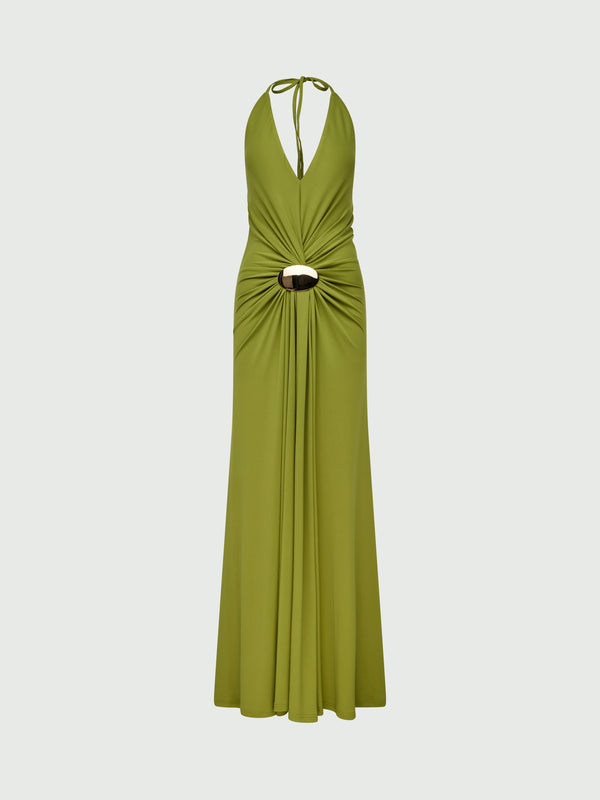
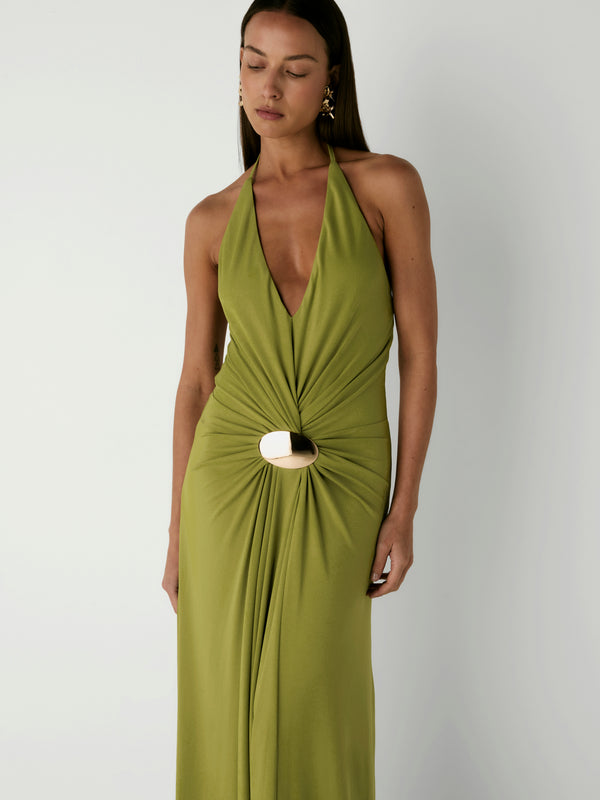
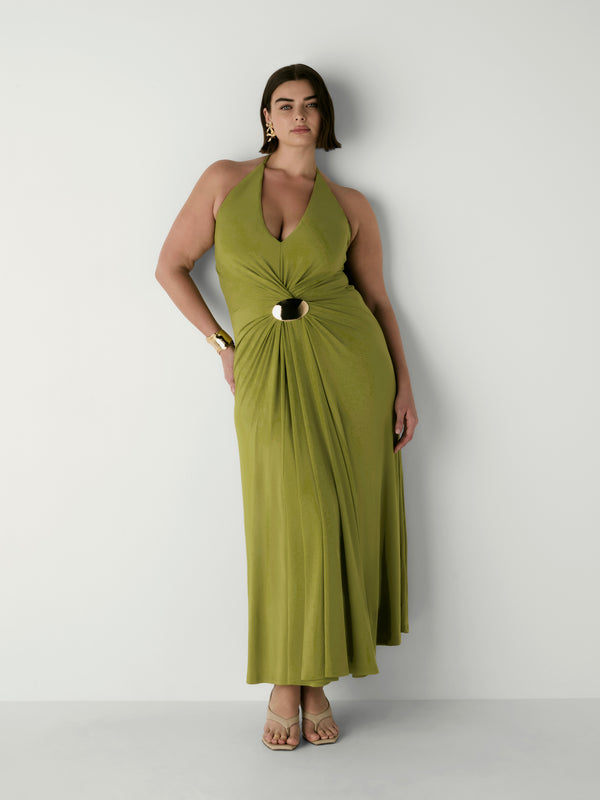
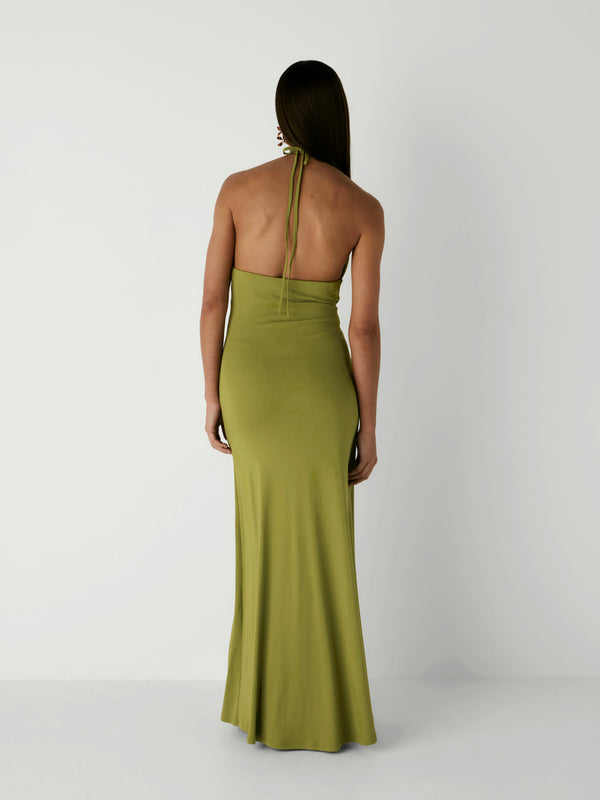
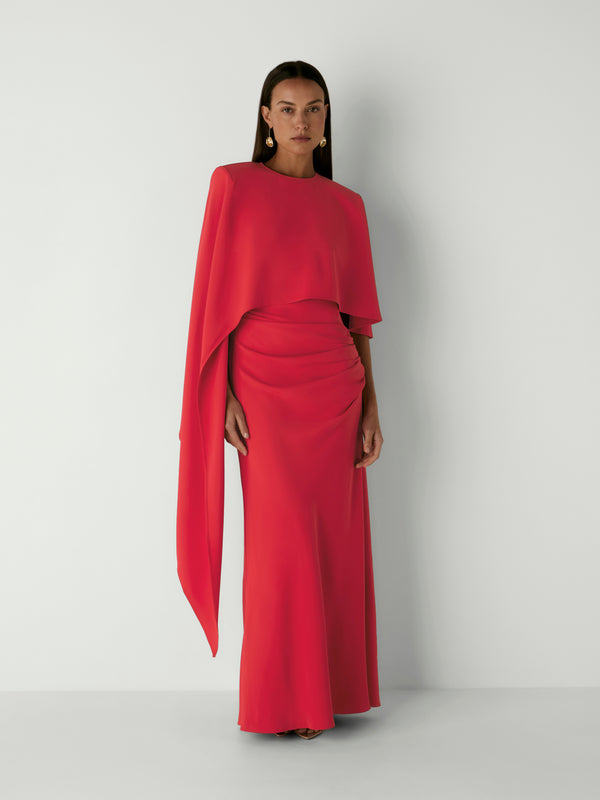
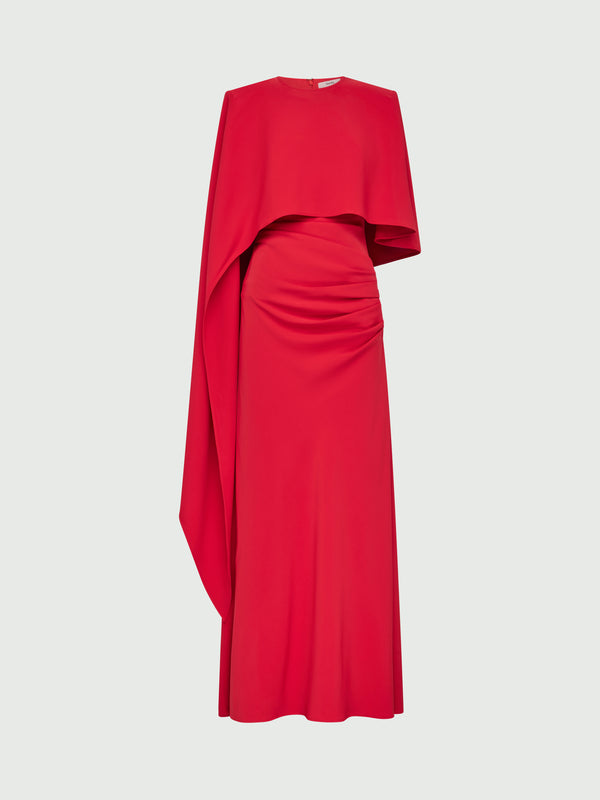
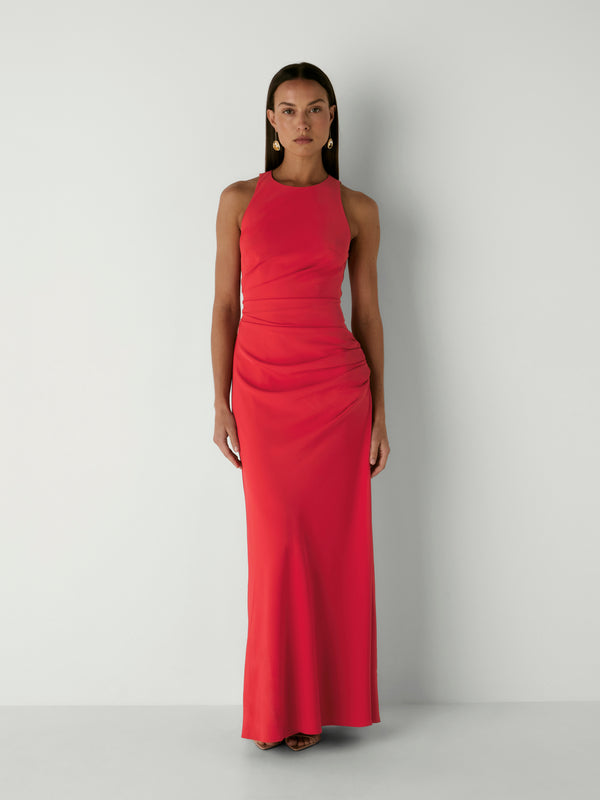
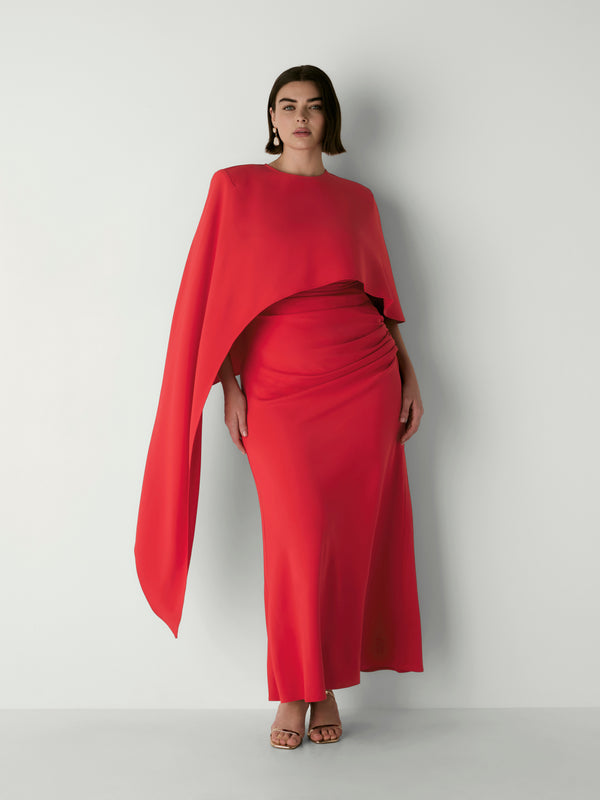
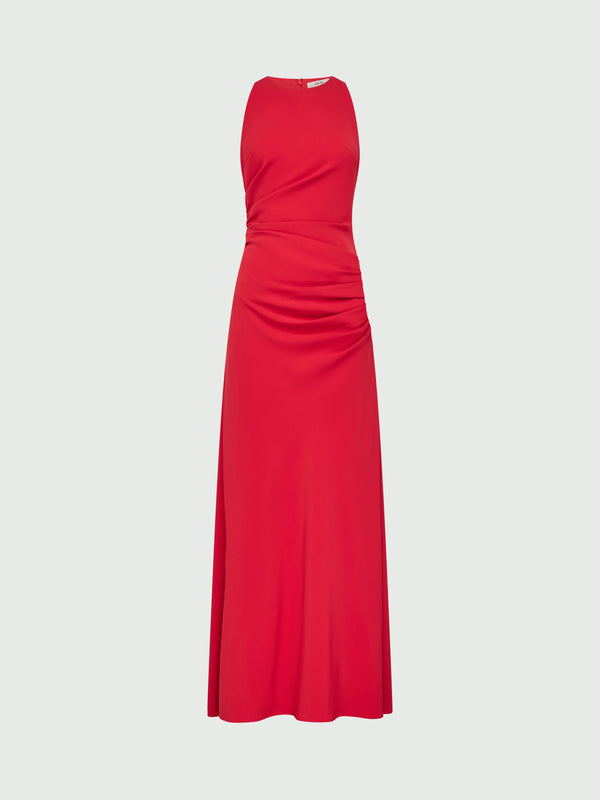
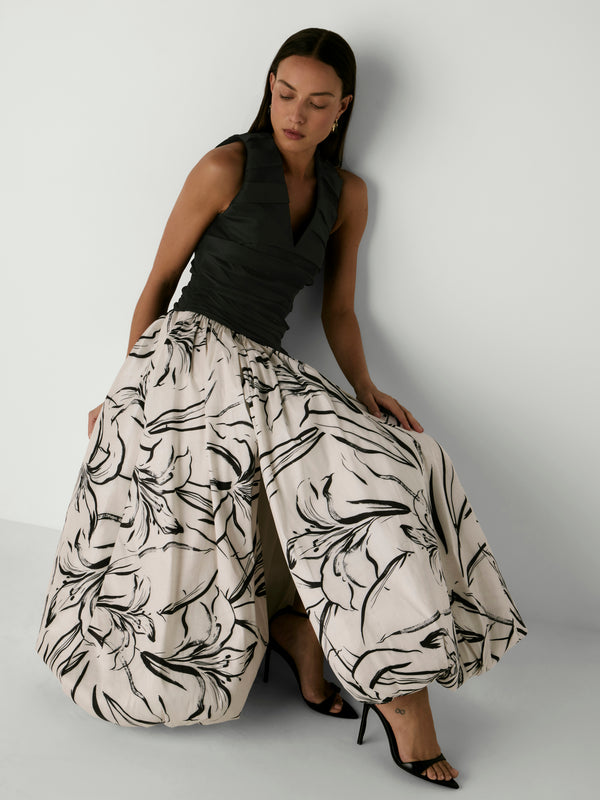
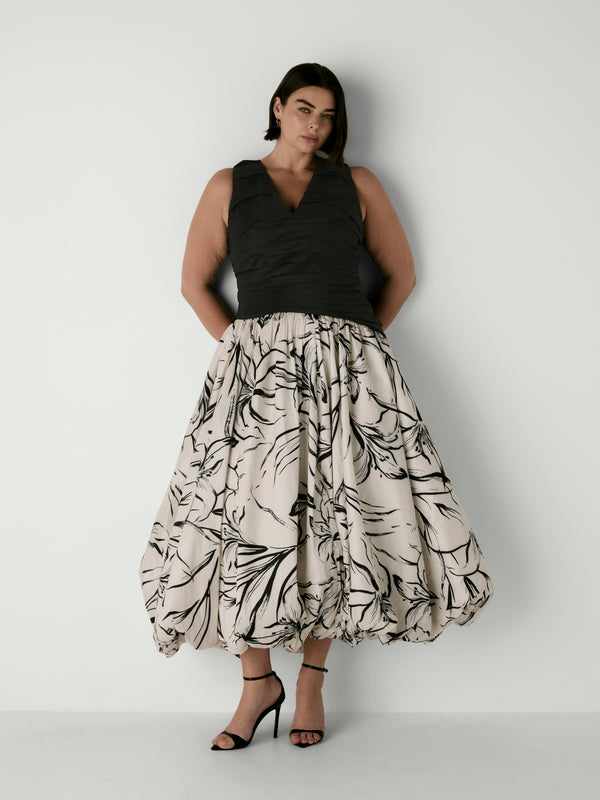
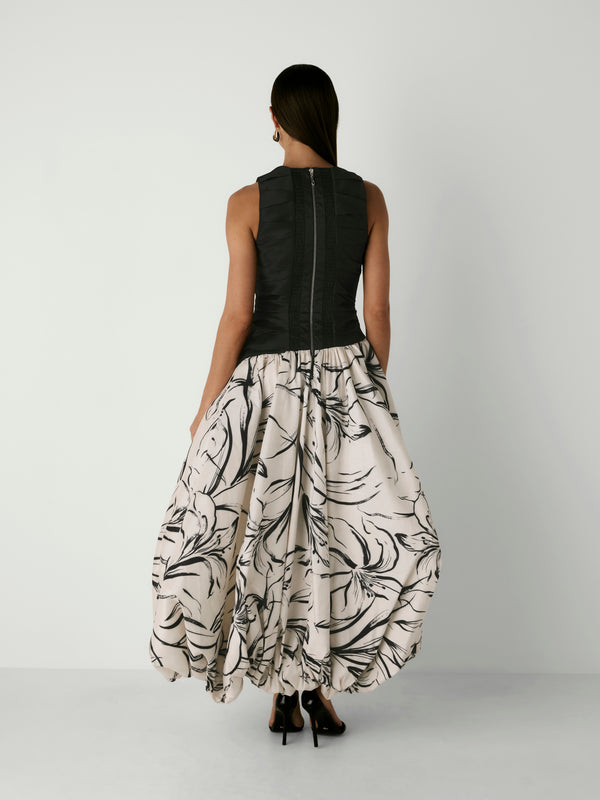
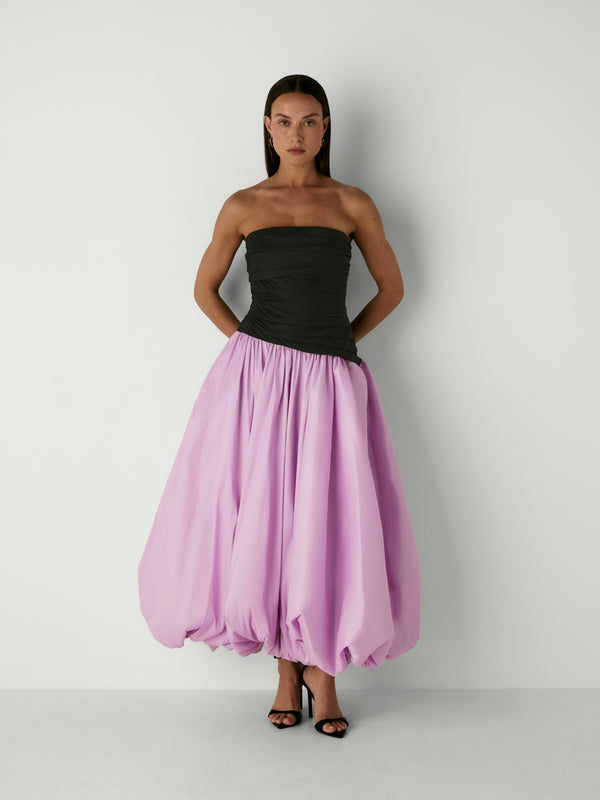
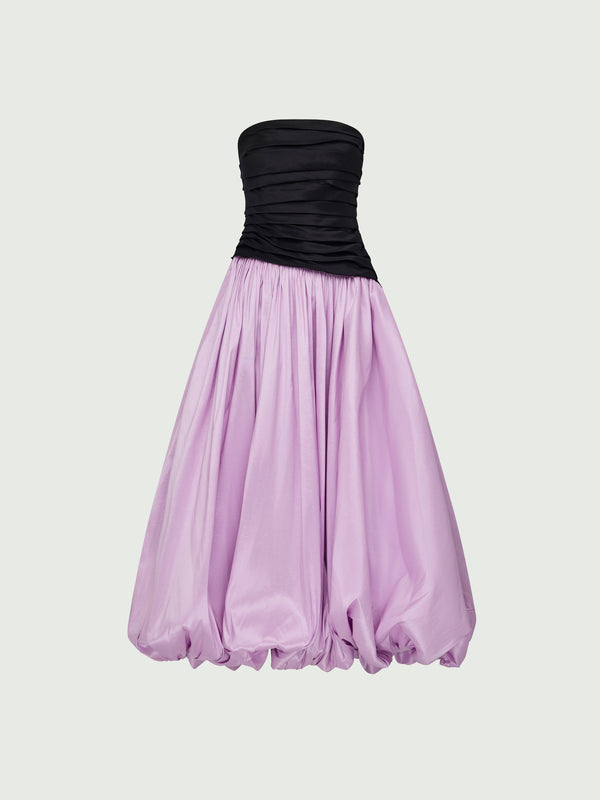
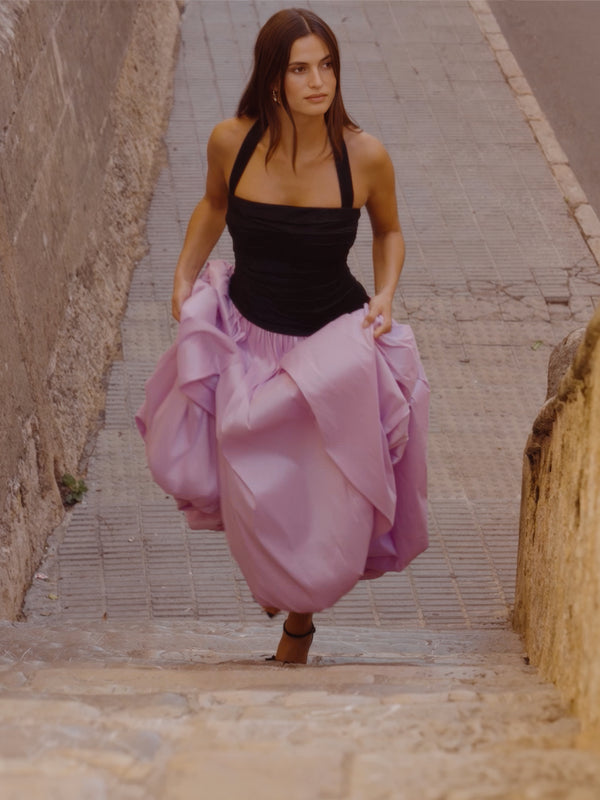
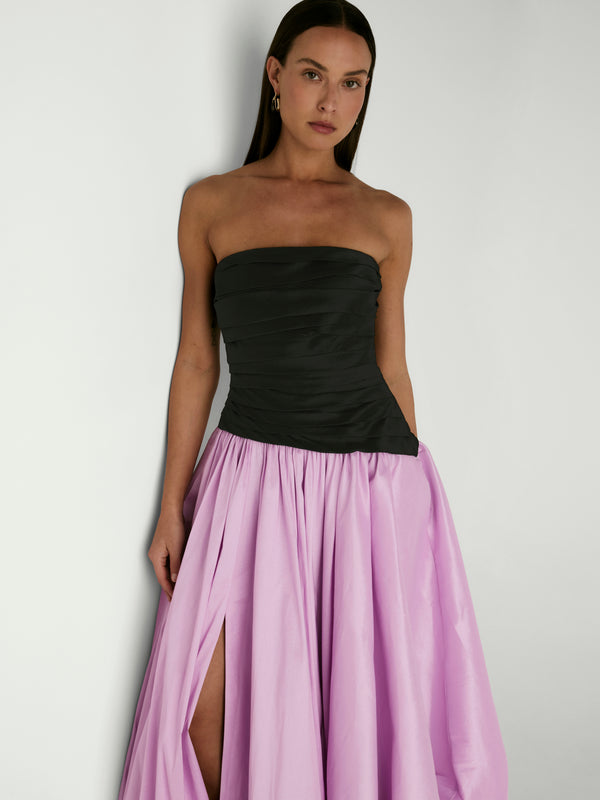
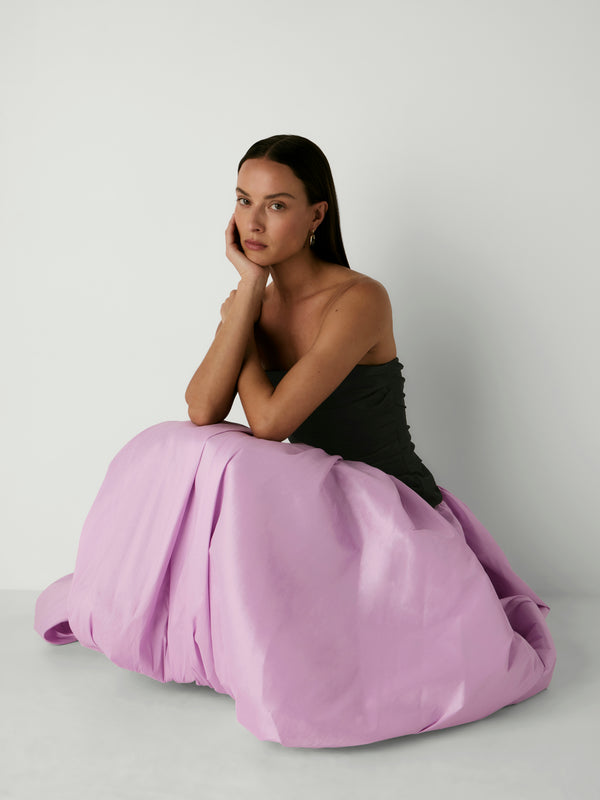
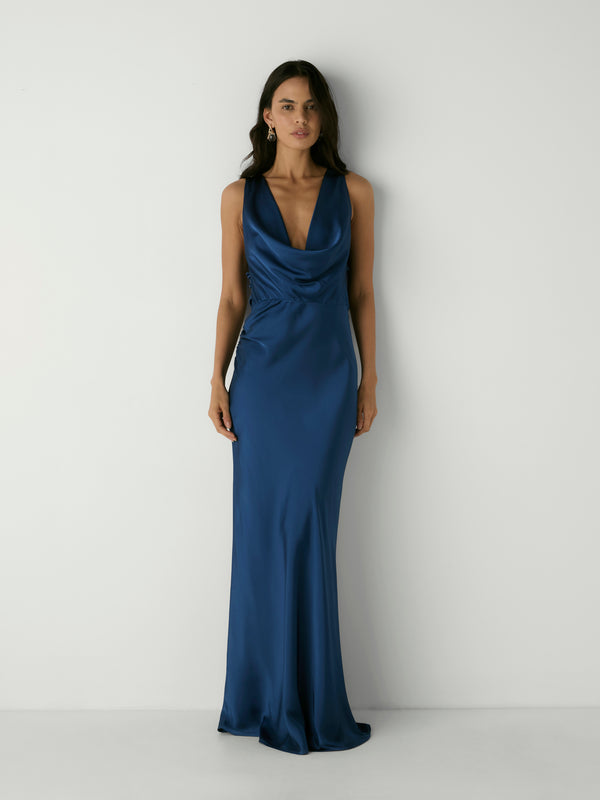
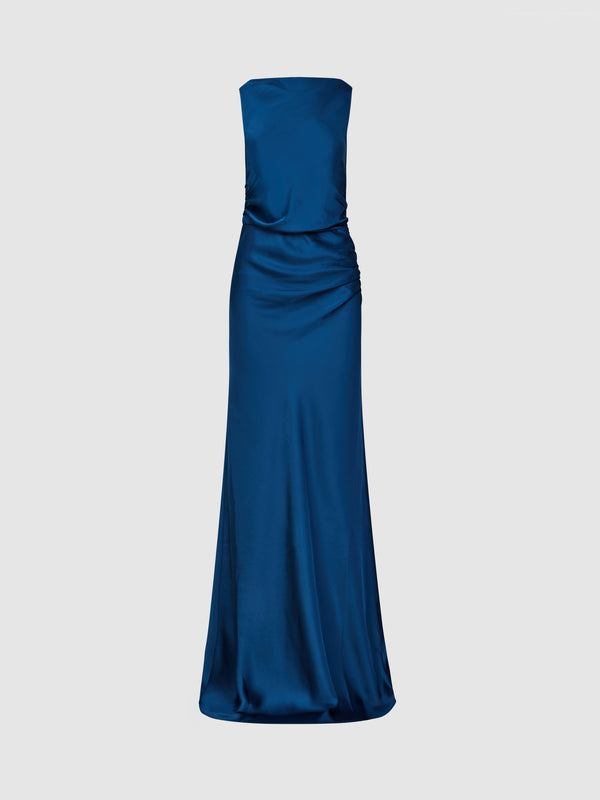
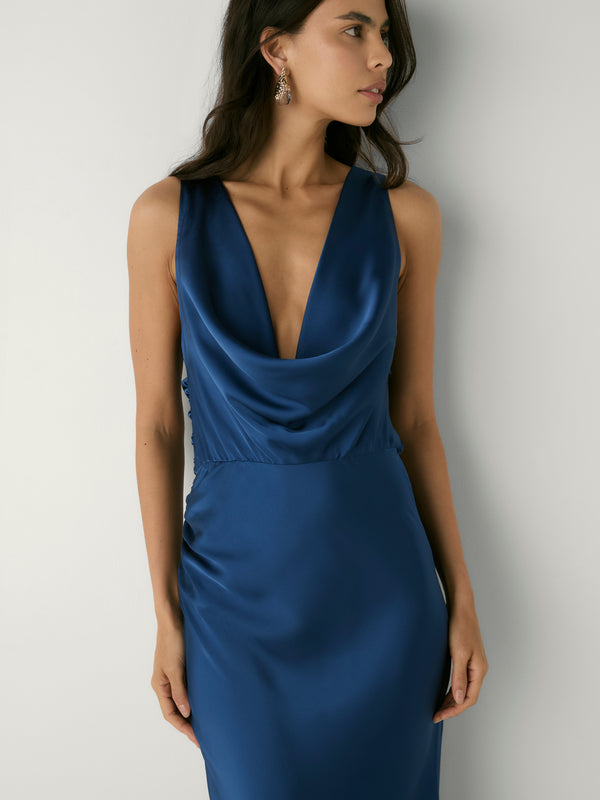
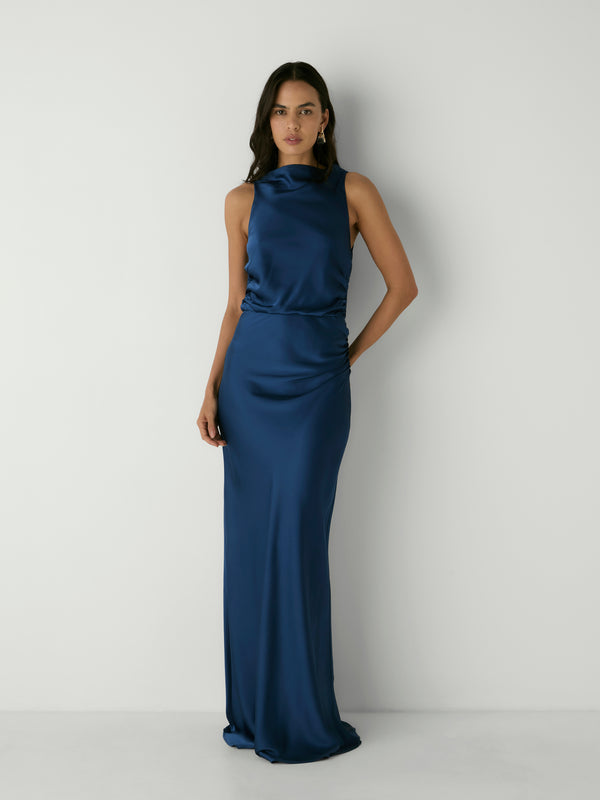
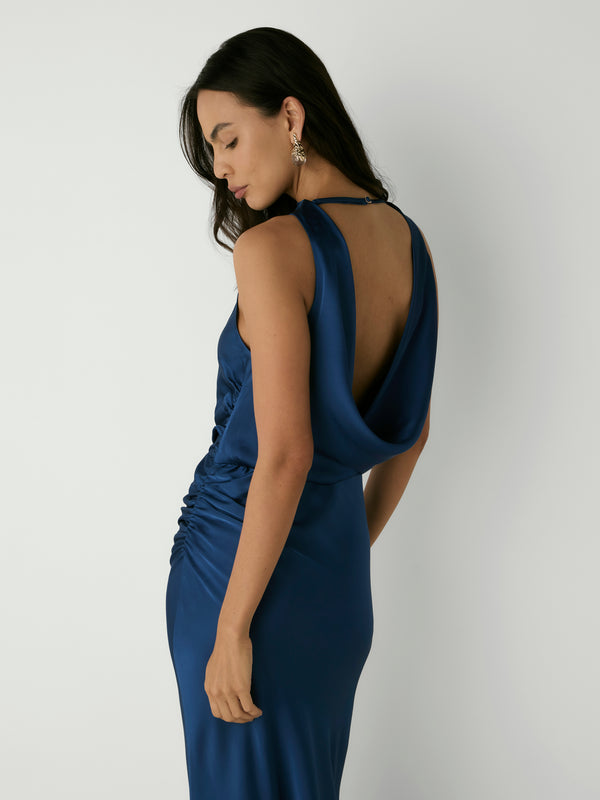
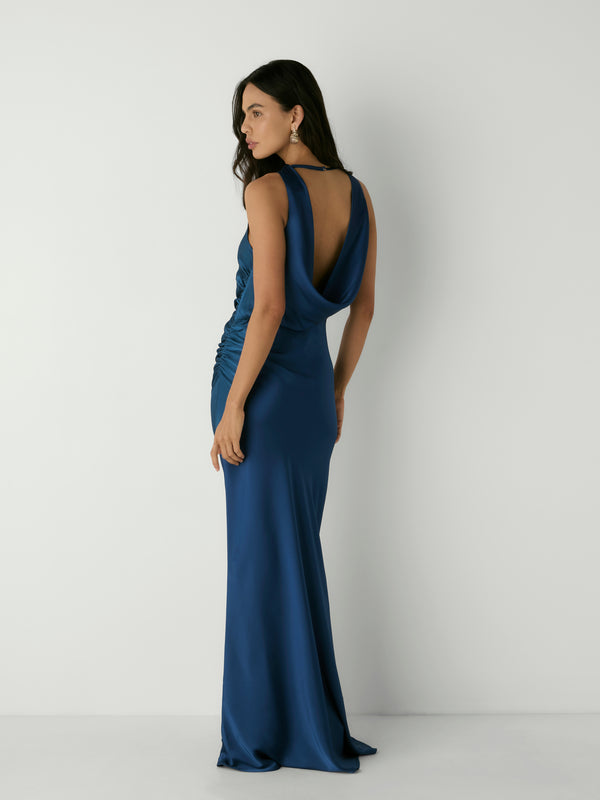
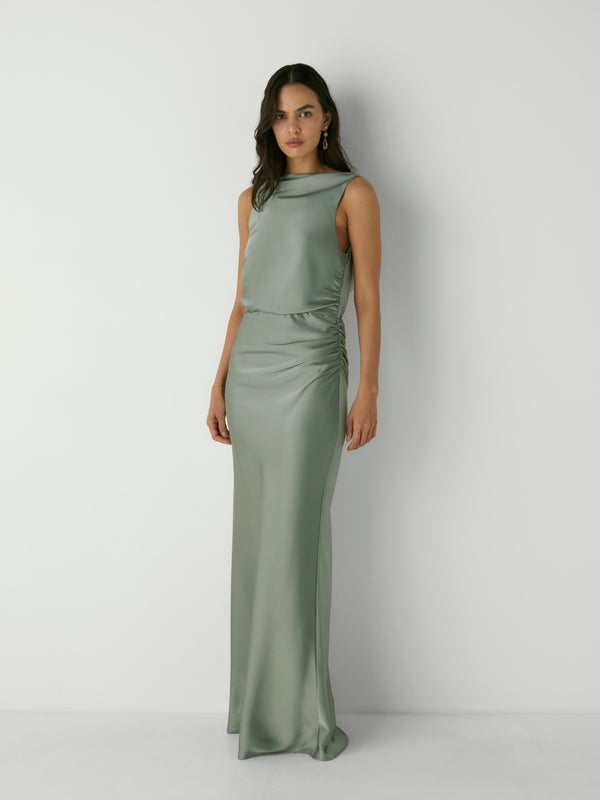
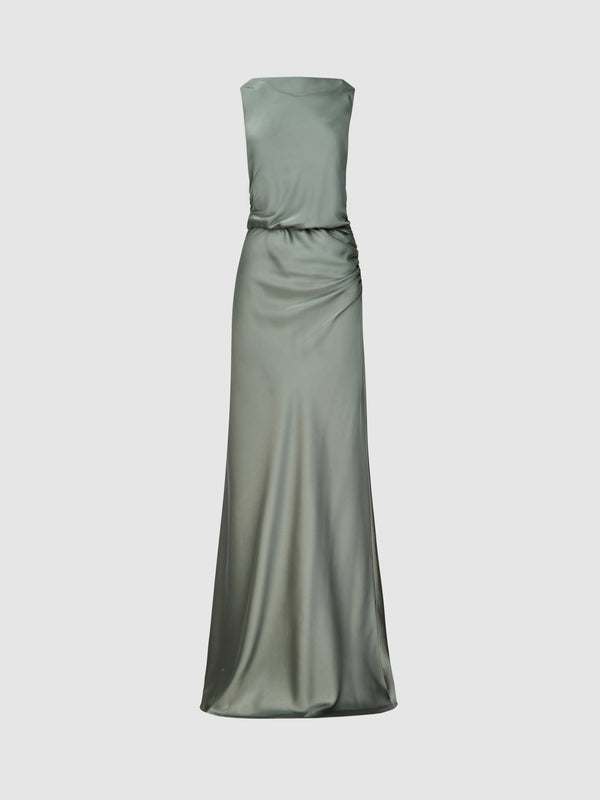
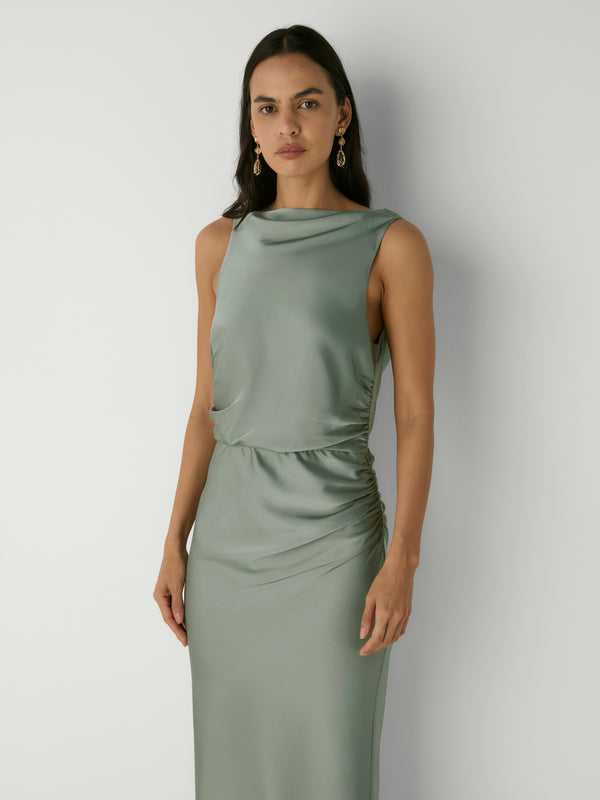
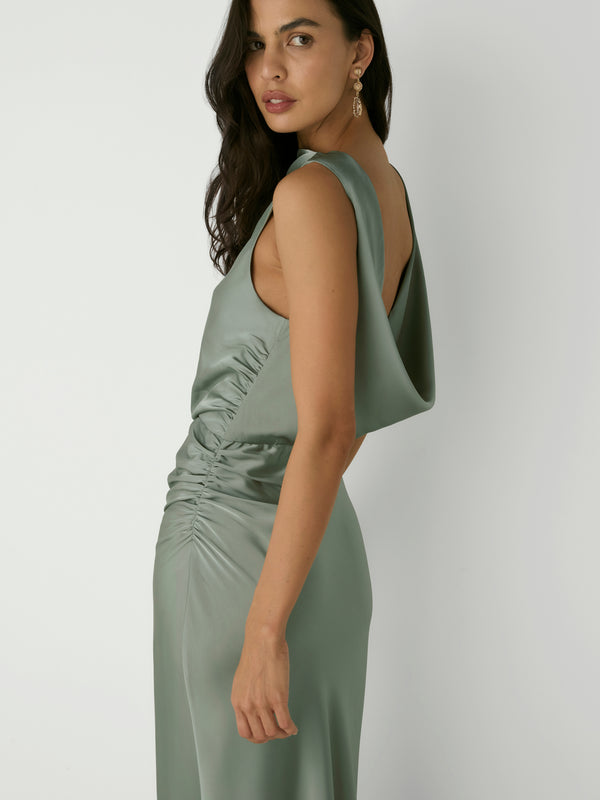
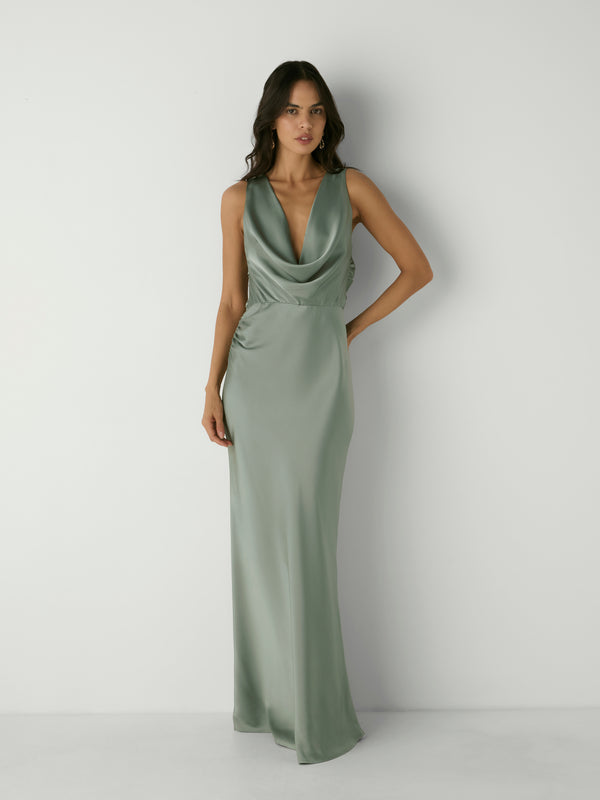
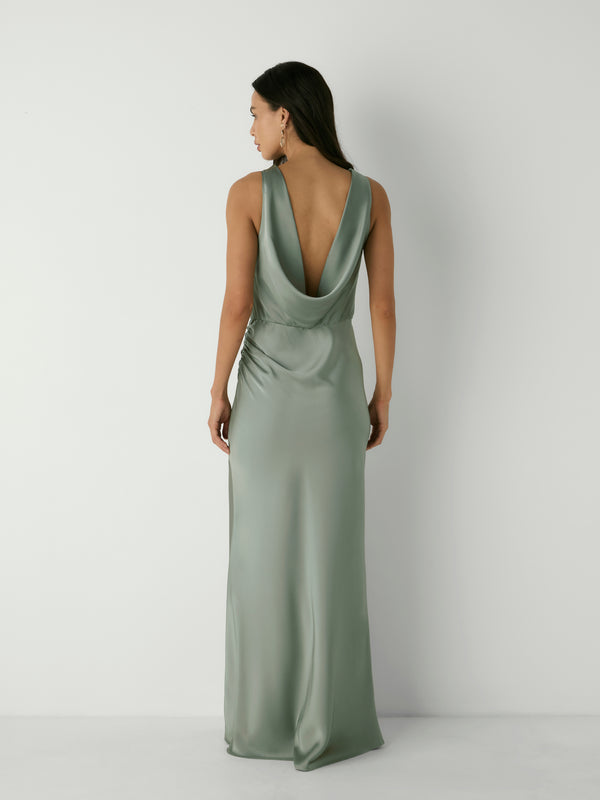
A floor-length or midi-length dress is the most traditional answer. Maxi dresses in satin or crepe suit most formal events, and a defined waist, a one shoulder neckline or an open back adds shape. Choose a midi length only when the fabric is rich and the hem sits at mid-calf or lower.
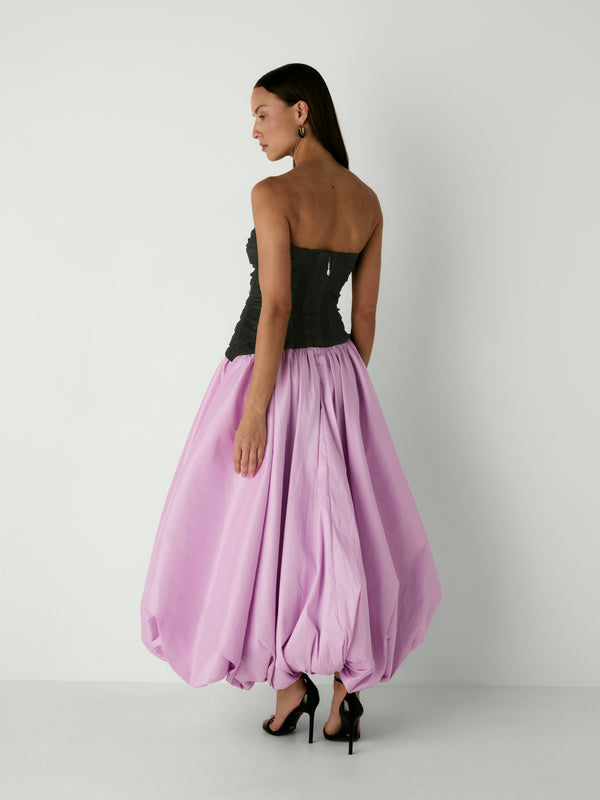
A jumpsuit suits a formal event when the fabric is fluid and the cut is clean. A matching set in satin or crepe also works, because a top and skirt in the same fabric read as one polished outfit.
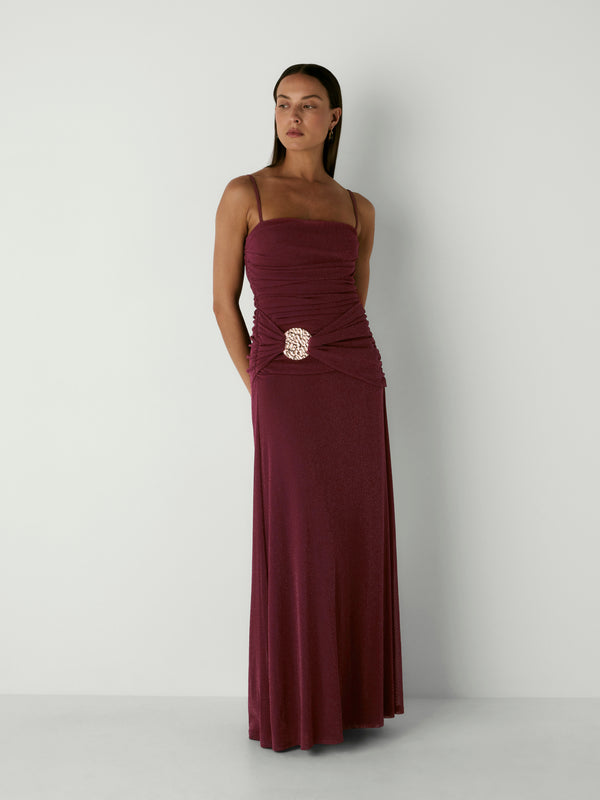
Satin dresses, crepe, velvet and chiffon suit formal events because they hold their shape and look rich in evening light. Deep tones such as navy, burgundy, plum and emerald work well, as do black and soft neutrals. Avoid cotton, jersey, denim and linen, which look too casual after dark.

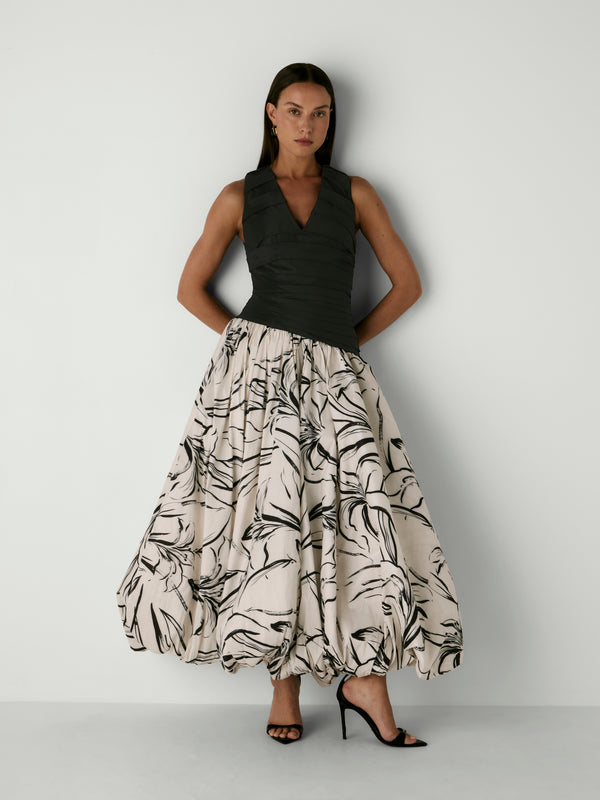
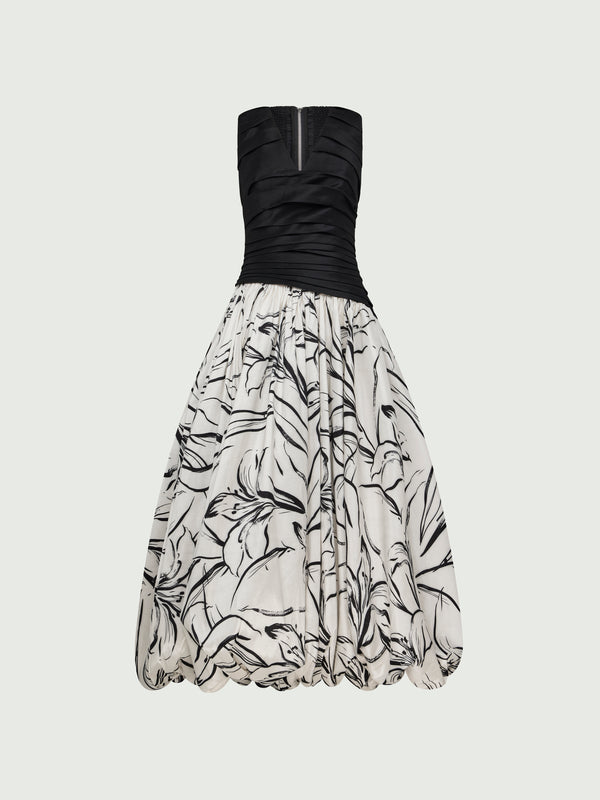
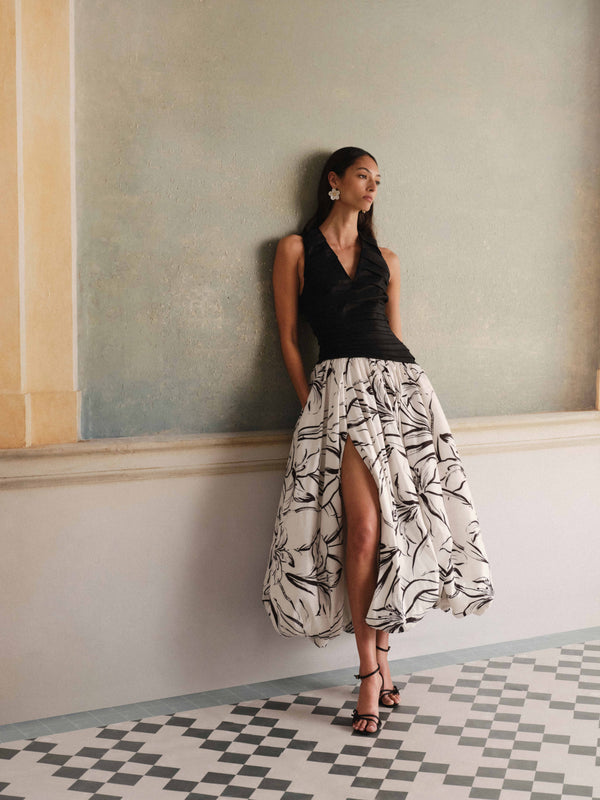
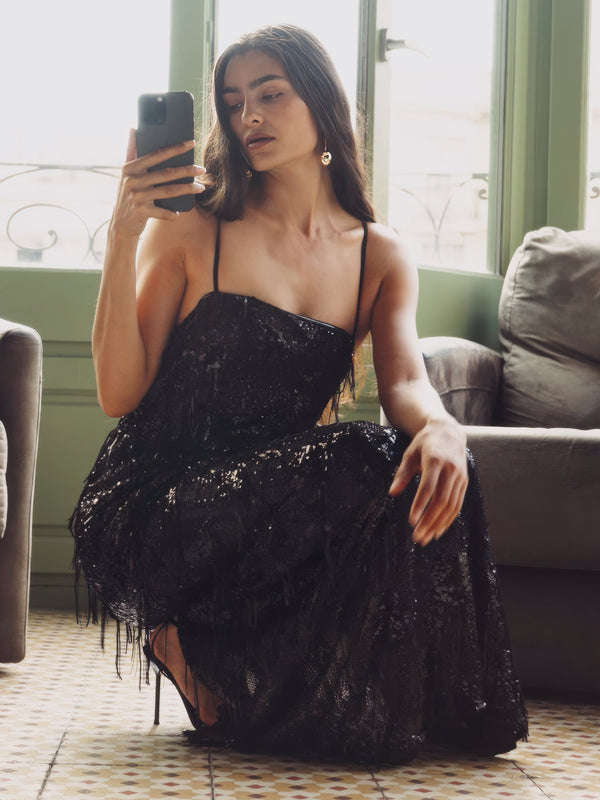
Semi-formal gives you more room to choose. A knee-length or midi dress in satin, crepe or lace is the standard answer, and a polished jumpsuit or a skirt and top set also works. Choose semi-formal dresses with a clean neckline and a defined waist, then add heels, a clutch and jewellery to complete the look.

Formal wedding invitations ask guests to dress up for the evening, so choose wedding guest dresses in a long or very polished midi length. Avoid white, ivory and cream, which are best left to the bride, and match the venue: a hotel ballroom suits satin or velvet, while a garden or estate suits chiffon in a softer colour.
The season and the hour of the event change your fabric and colour choices more than they change the rules. This guide shows how to adjust a formal outfit through the year.
| Season | Fabrics to choose | Colours that suit | Layer and footwear |
|---|---|---|---|
| Summer | Satin, crepe, lightweight chiffon | Soft neutrals, sage, ink blue, black | Strappy heels, light wrap |
| Autumn | Satin, crepe, velvet | Burgundy, olive, chocolate, black | Block heels, structured coat |
| Winter | Velvet, heavy satin, ponte | Deep green, navy, black | Closed-toe heels, long coat |
| Spring | Satin, jacquard, soft crepe | Lilac, dusty pink, cream | Pointed flats or heels, light jacket |
Daytime events such as ceremonies and long lunches suit lighter colours and a more modest neckline. Evening calls for deeper tones and a little more shine, although a black dress is appropriate at any hour.

The right accessories finish a formal outfit, and a few simple rules keep them polished.

Business formal is the work version of this dress code. It applies to client events, award nights, conferences and corporate dinners, and it asks for a covered, conservative and polished look in neutral colours.
A matching suit in navy, black or charcoal is the benchmark, worn with a fine knit or a silk-look top underneath. If you prefer one piece, a structured dress with a defined waist and a knee-length hem works from the boardroom to the dinner that follows. When you prefer to wear pants, choose a full-length straight or wide leg cut in a fabric with some weight.

SHEIKE designs formal pieces for women who want one outfit to suit the ceremony, the dinner and the dance floor, in fabrics that look polished and feel comfortable.

Start planning two to three weeks before the event, so you have time to adjust the fit. Try the dress with the shoes you intend to wear, because the hem should skim the floor or sit just below the knee without dragging. If the dress needs altering, book a tailor early, as busy periods fill quickly.
Think about the whole evening as well as the ceremony. You may sit for a long dinner, stand for photos and dance later, so choose a fabric that moves easily and does not crease badly. Check the forecast the day before, and pack a wrap or a coat if the temperature drops after dark.
Finally, consider how you will wear the outfit again. A formal dress in a versatile colour such as navy, black or emerald works at several events, and you can change the accessories to create a different look each time.
No. Jeans are too casual for a formal dress code, whatever you pair them with. Choose a dress, a jumpsuit or dressy pants instead.
Formal asks for a floor-length or elegant midi dress in a dressy fabric such as satin or crepe. Semi-formal allows a knee-length dress and simpler fabrics, and it suits daytime and early evening events.
Yes, if the hem falls below the knee and the fabric looks dressy. Satin and crepe work well, and heels and refined accessories complete the look.
Yes, when it has a full-length leg, a defined waist and a fluid fabric. Casual cotton and jersey styles belong at relaxed events.
Deep, rich colours such as navy, emerald, burgundy and black suit most formal events. At a wedding, avoid white, cream and ivory, which are usually kept for the bride.
Yes. Wide-leg pants in satin or crepe, worn with a fine top or a fitted bodysuit and heels, look elegant at a formal event. Choose a full-length cut that skims the floor, and add dressy jewellery.
Choose a floor-length or elegant midi dress in a rich colour and a dressy fabric. Avoid white, cream and ivory, and bring a wrap for the ceremony and the evening.