Fashion
Black Tie Dress Code for Women: What to Wear, Including Wedding Guests
Black tie is the most formal dress code you will usually see on an invitation, and for women it means a floor-length gown or an equally formal evening outfit. If you have received a black tie invitation and want to know what to wear, how it differs from other formal dress codes, and what changes when the event is a wedding, this guide covers each point.
You will find advice on dresses, fabrics and colours, black tie wedding guest etiquette, seasonal choices, accessories, common mistakes, and how black tie compares with black tie optional and formal.

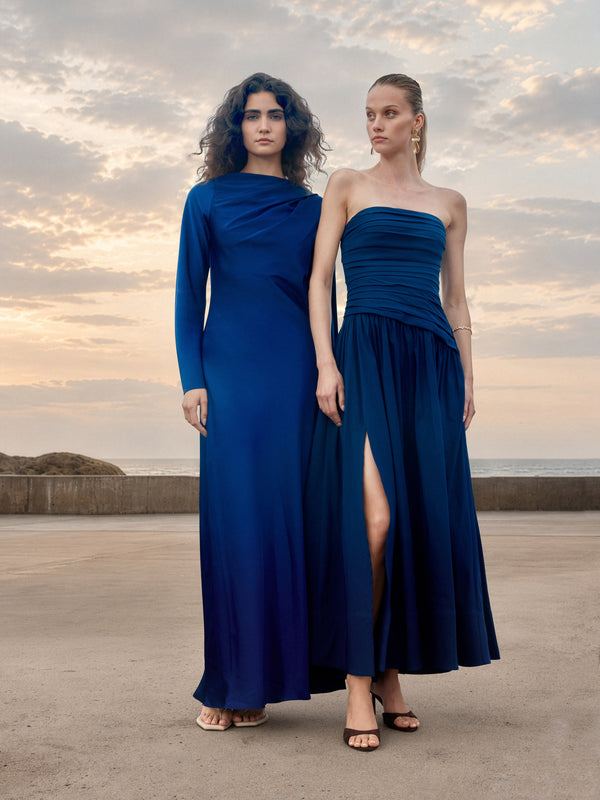
The dress code takes its name from the black bow tie that men wear with a tuxedo. For women, the equivalent is a floor-length evening gown, or a very dressy alternative such as a formal jumpsuit. Black tie does not mean you have to wear black. Any colour works when the dress is formal.
You will usually see it on invitations to:
Three clues suggest an event is black tie. The invitation says "black tie" or "formal", the event starts after 6pm, and the venue is a ballroom, hotel, estate or theatre.

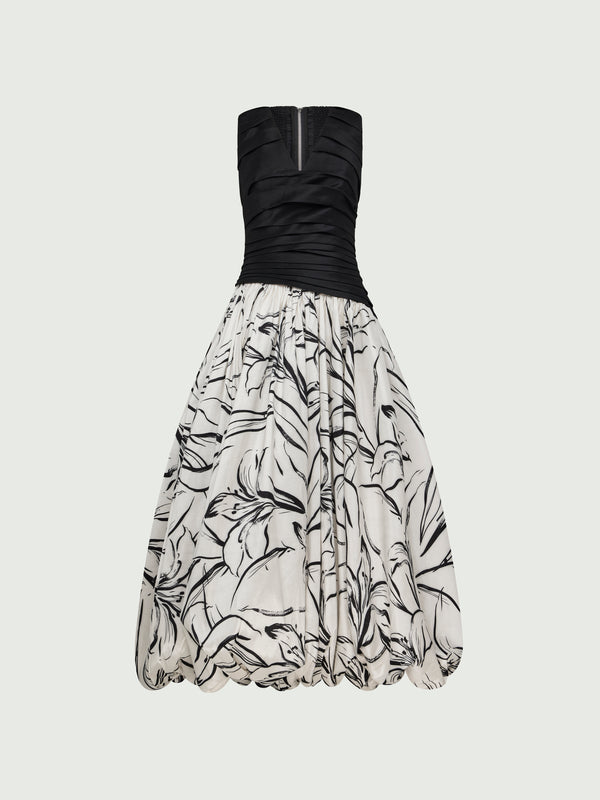
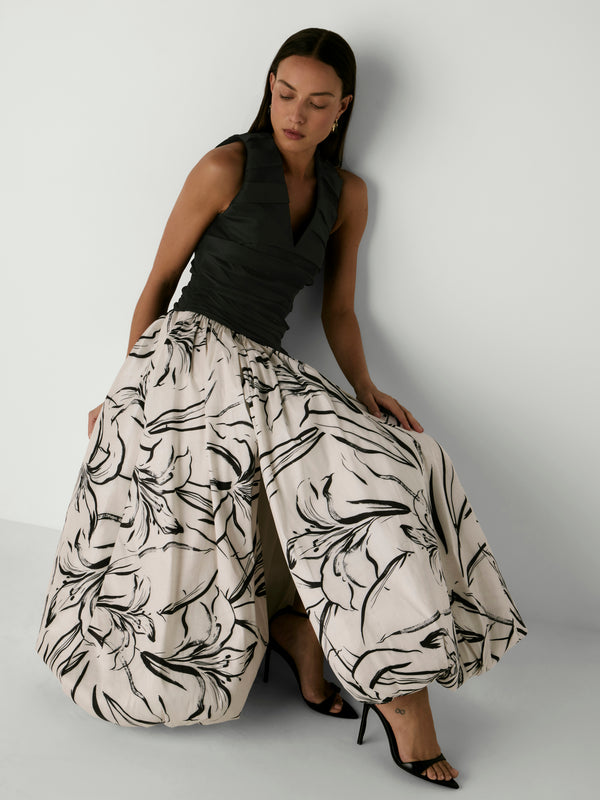
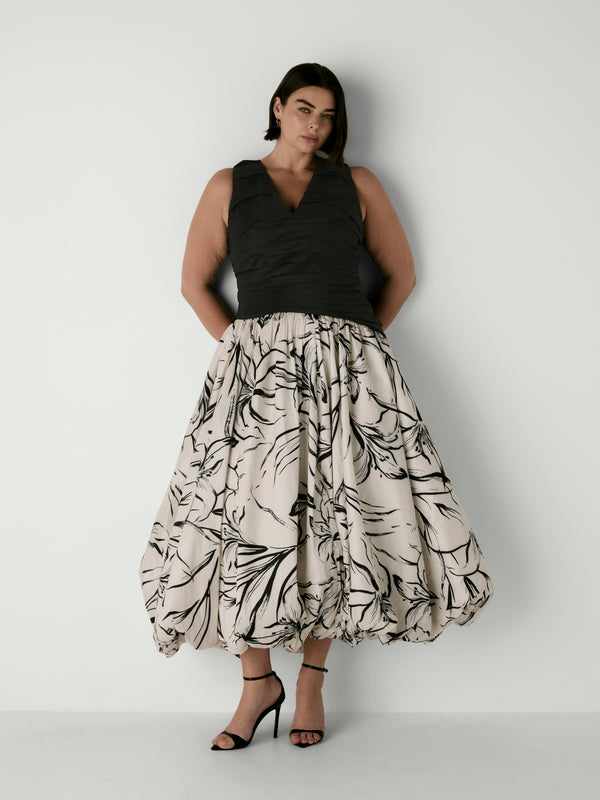
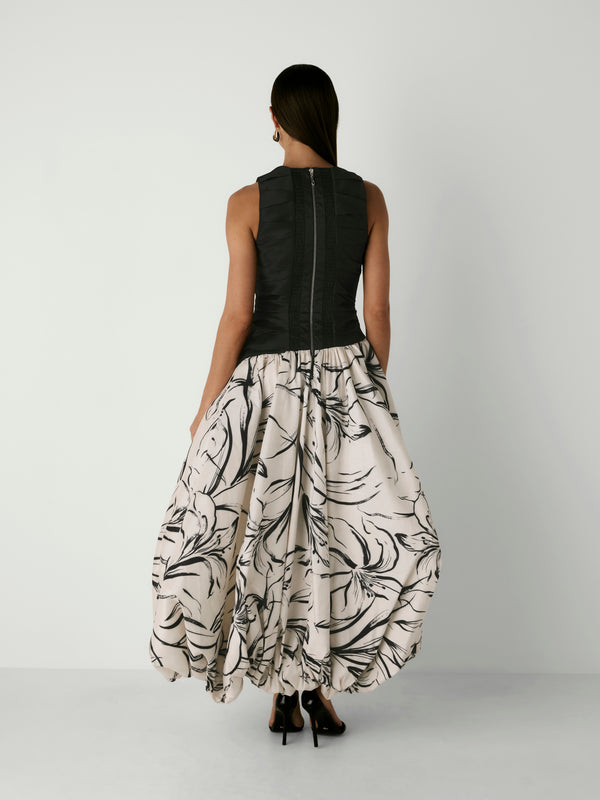
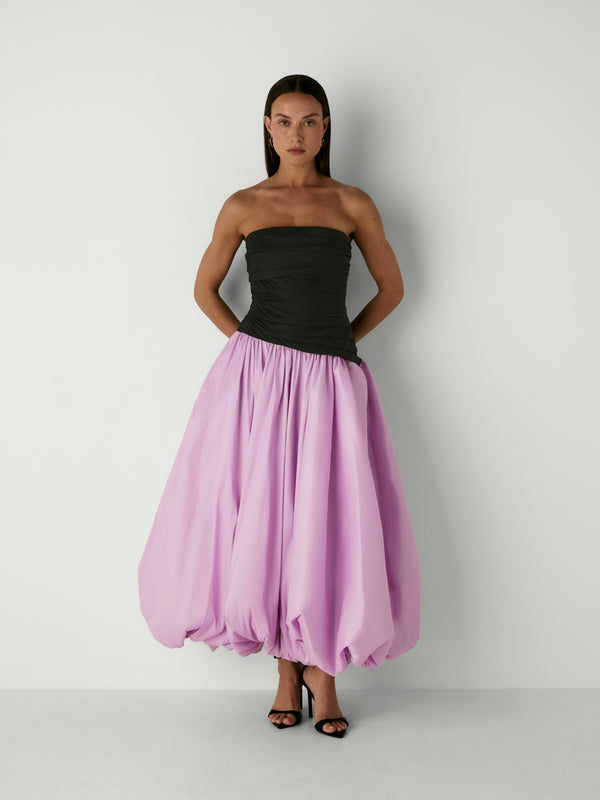
A floor-length gown is the safest choice, and a formal jumpsuit is a modern alternative. A formal midi dress in a rich fabric works only when the invitation says black tie optional.
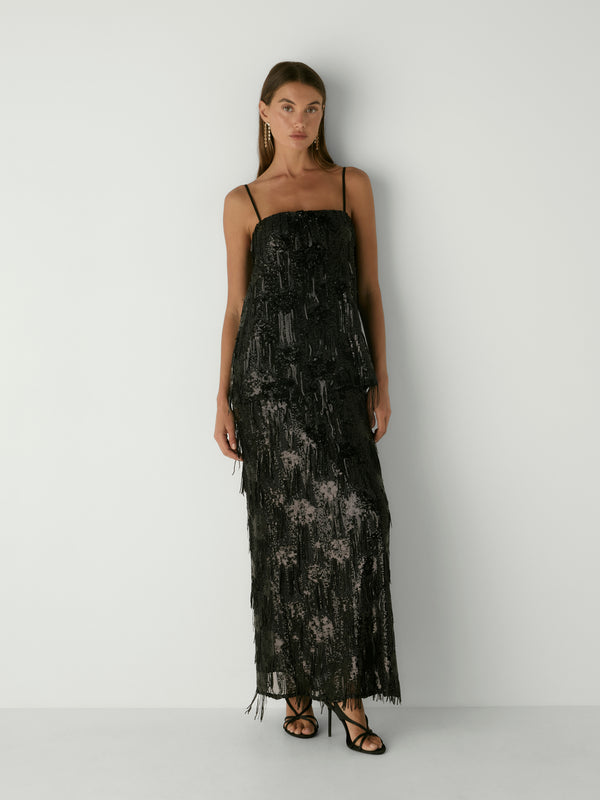
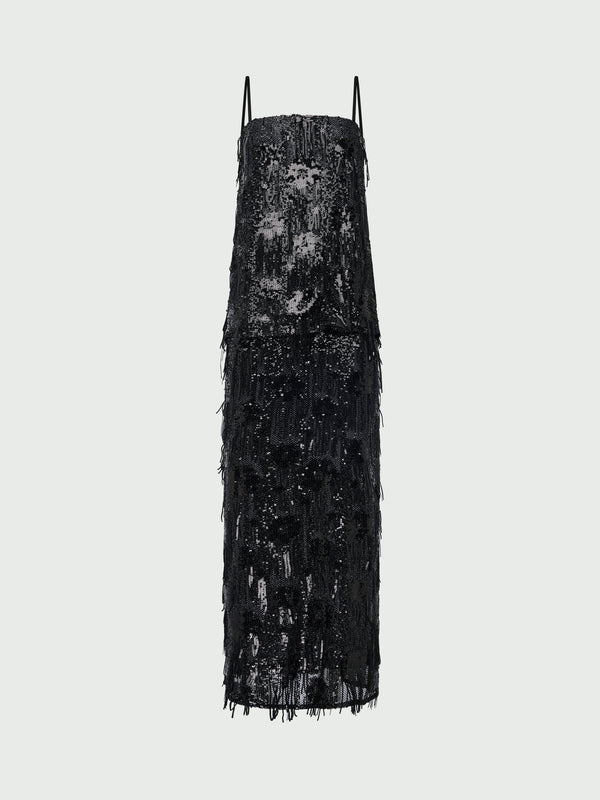
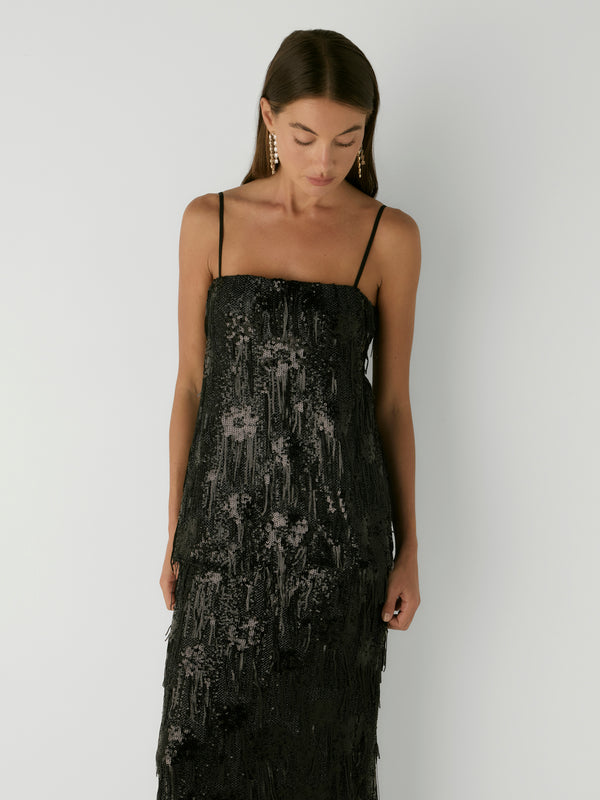
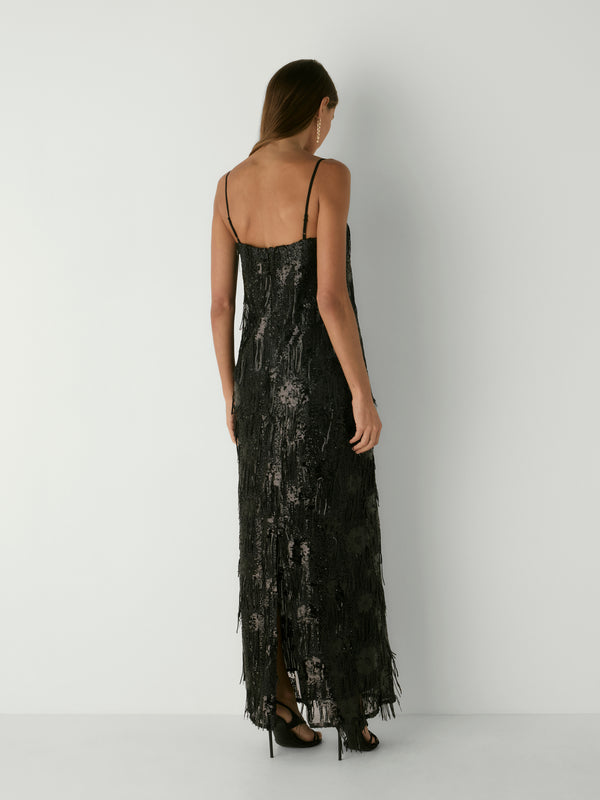
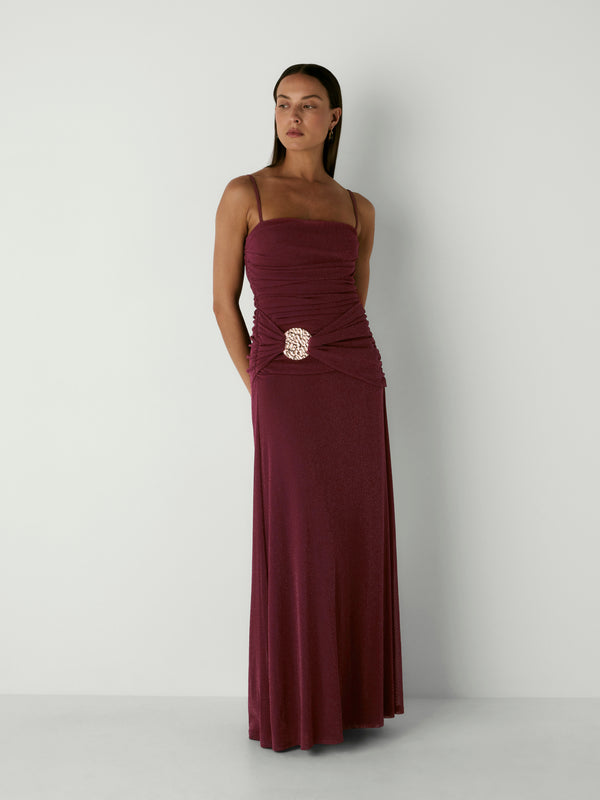
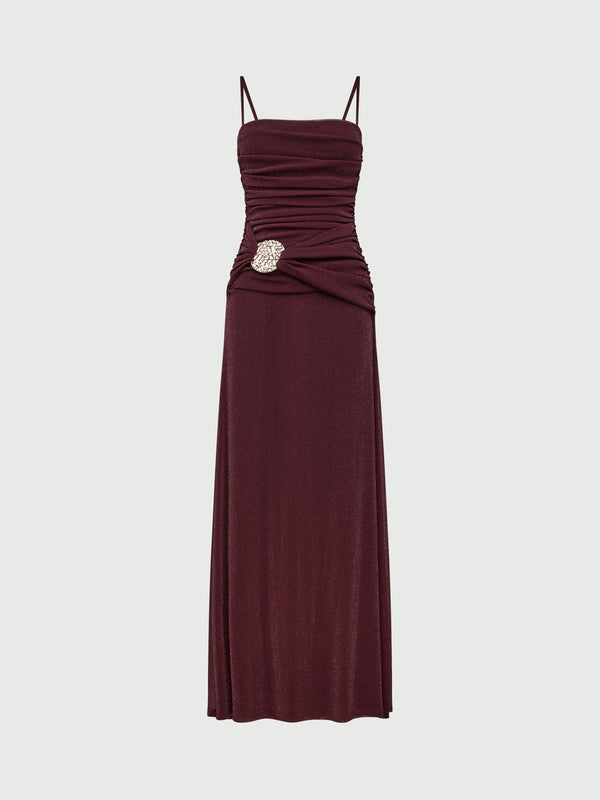
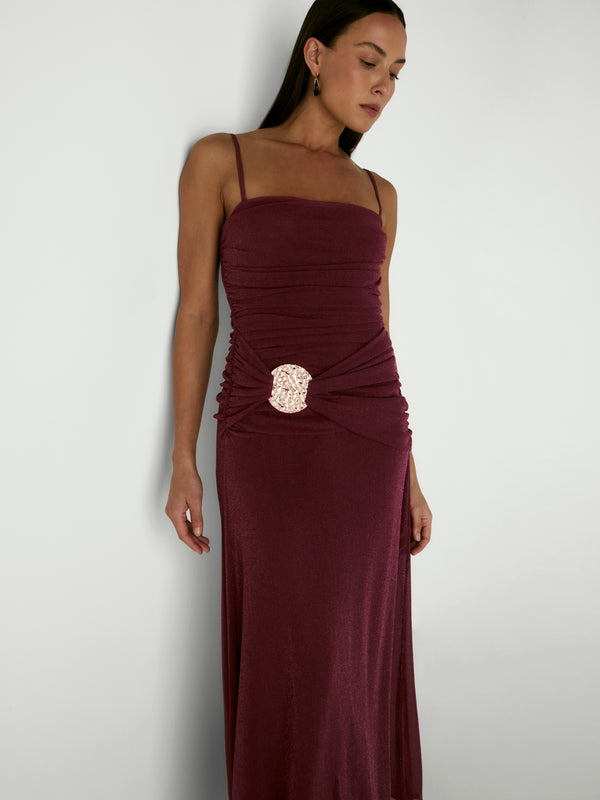
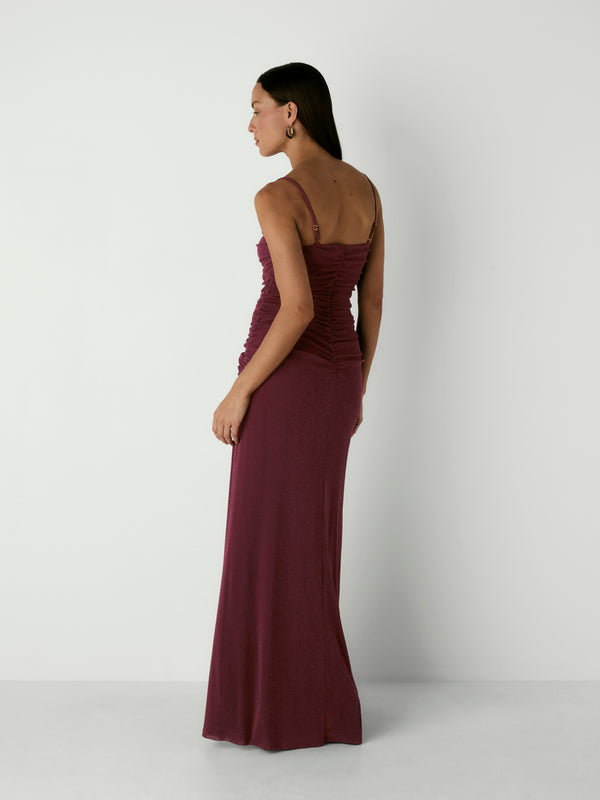
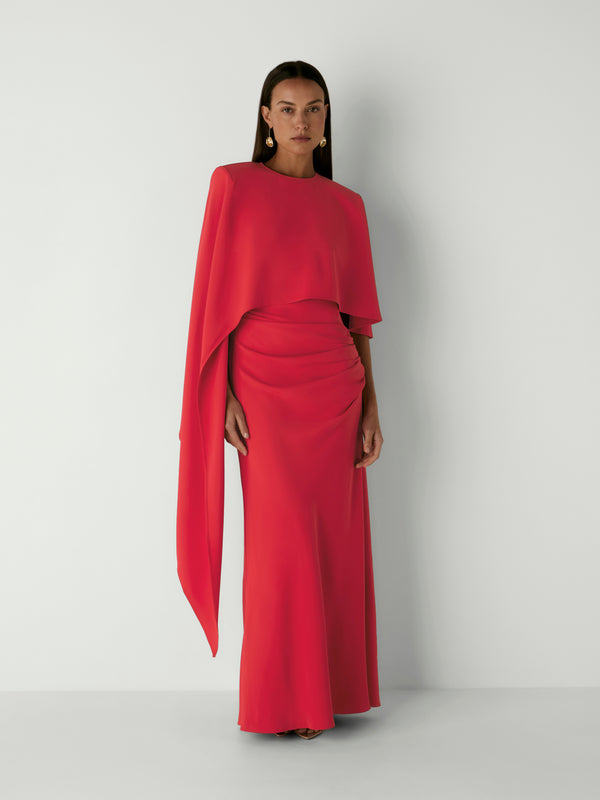
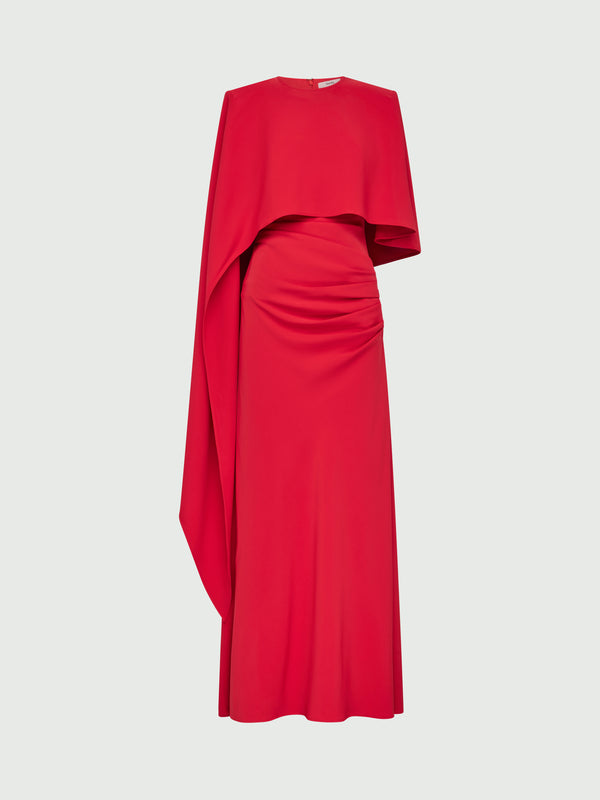
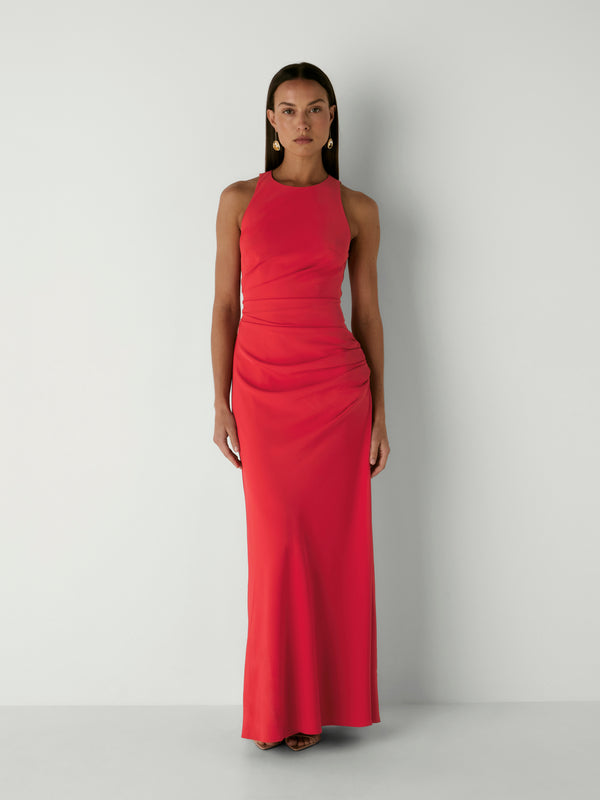
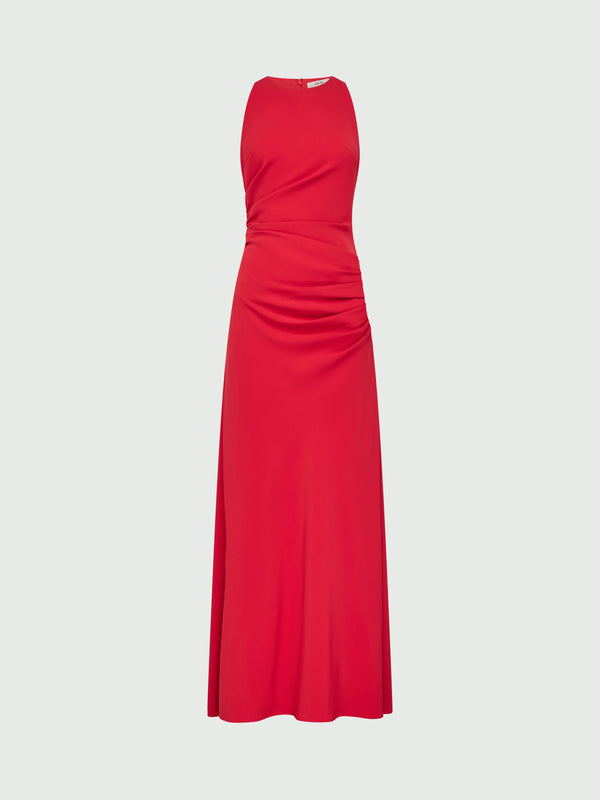
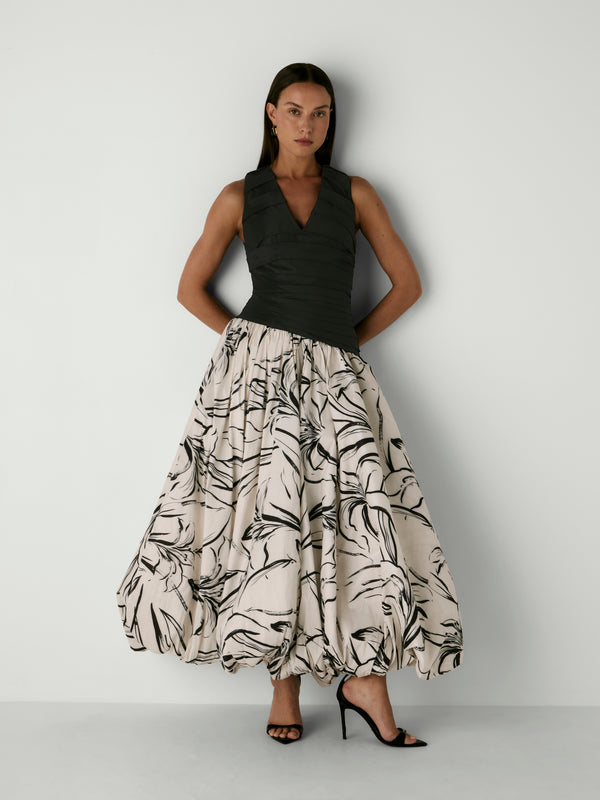
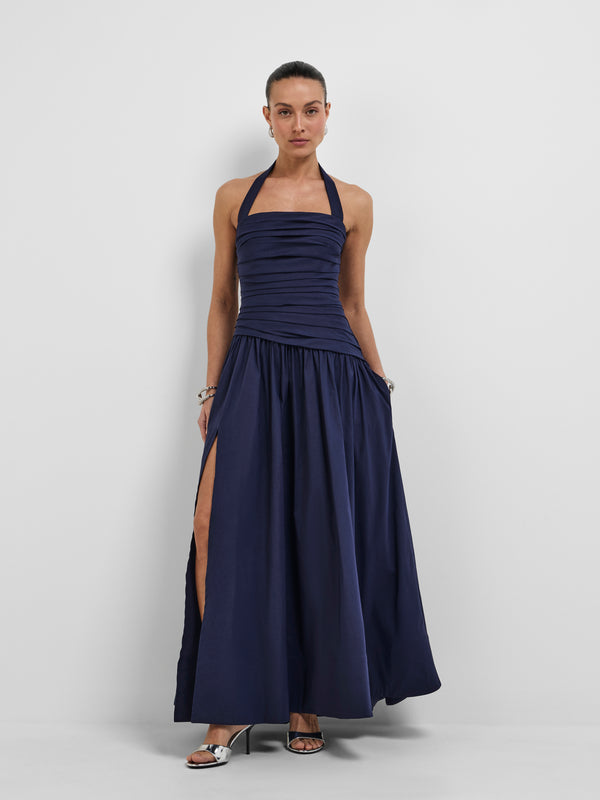
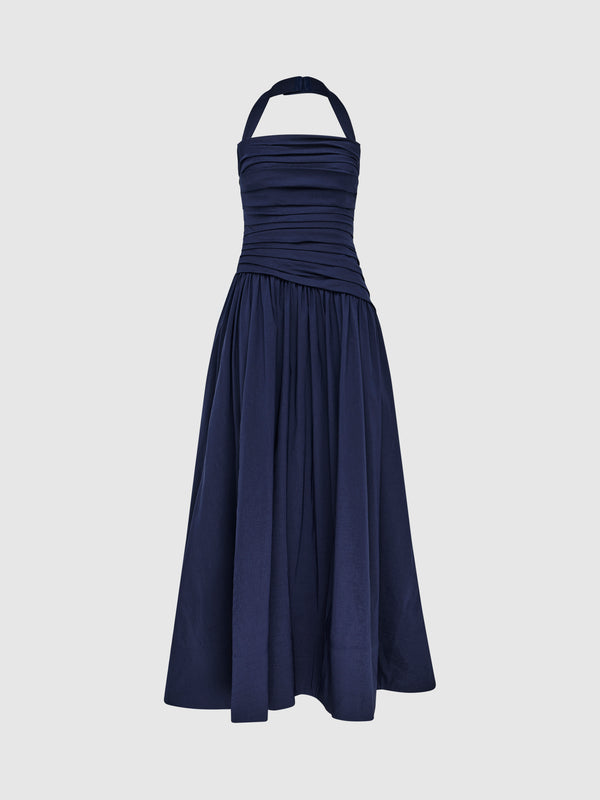
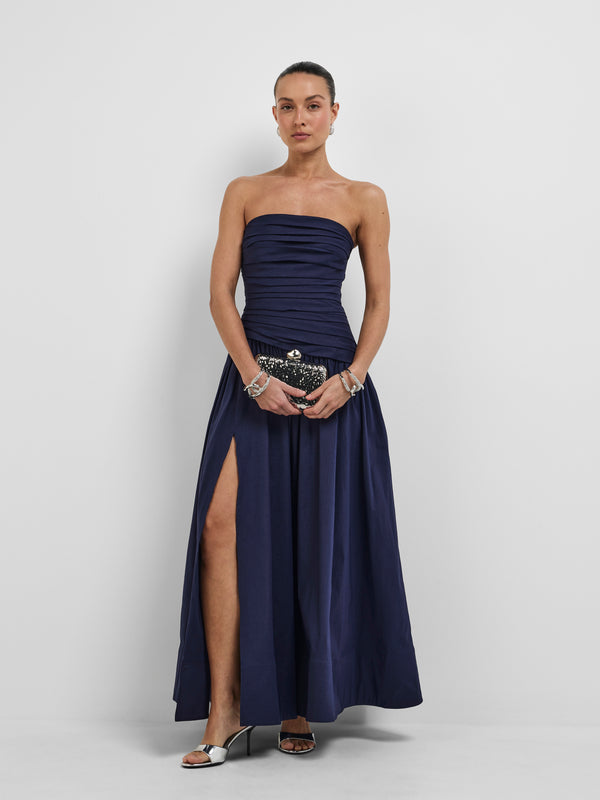
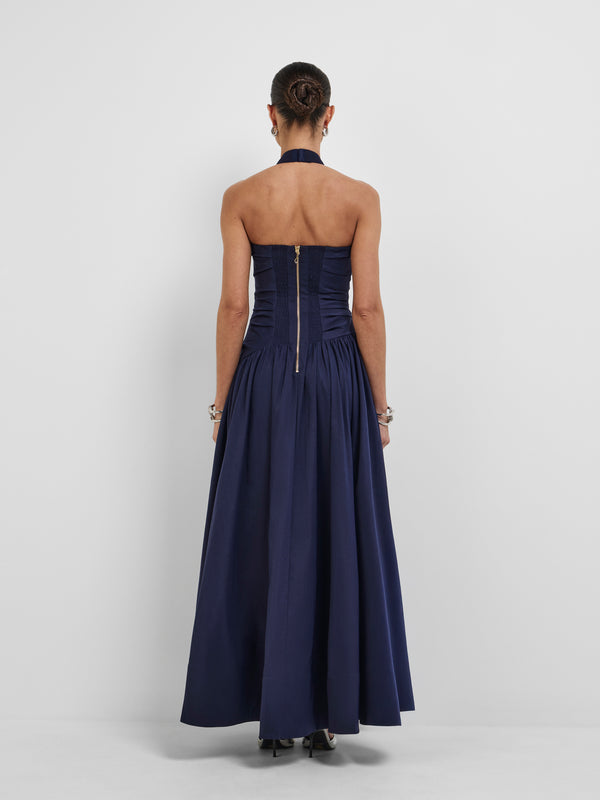
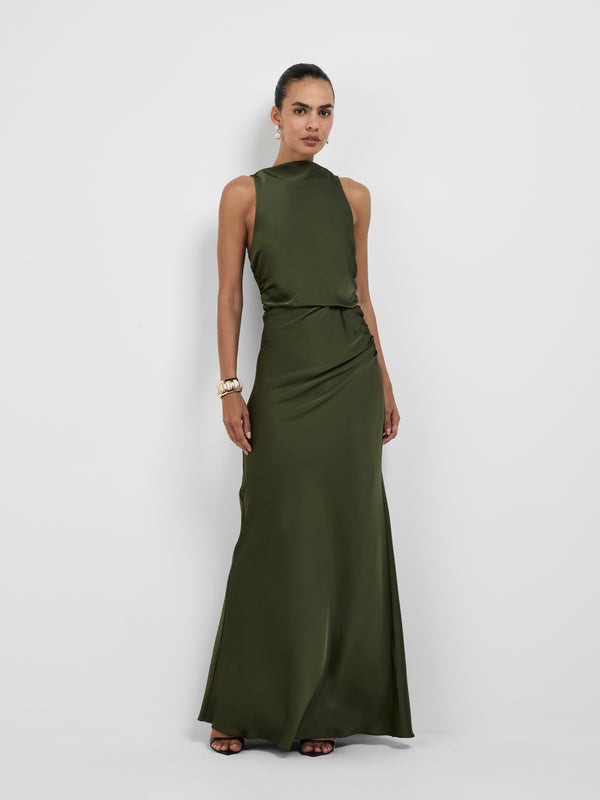
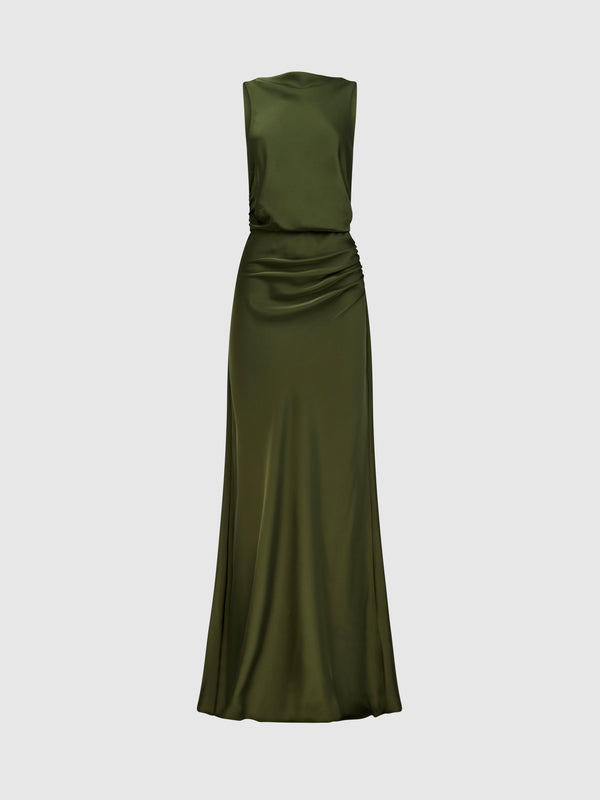
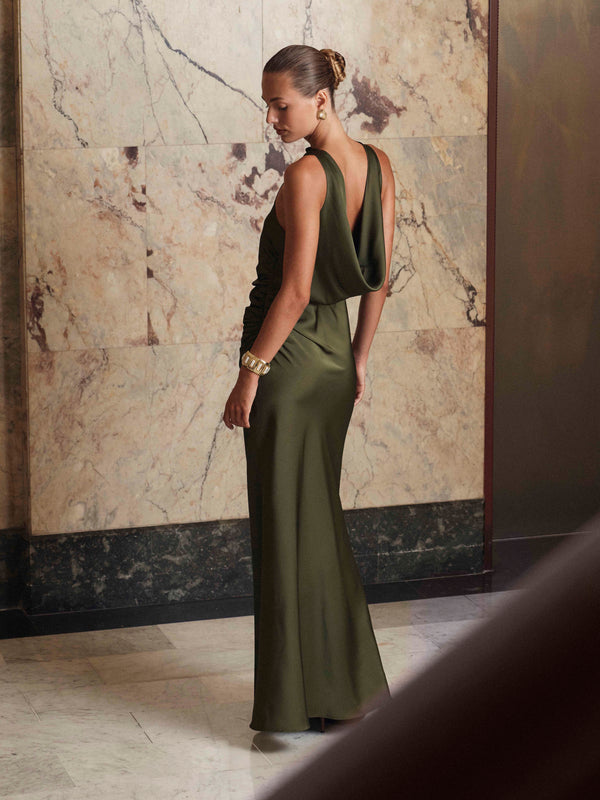
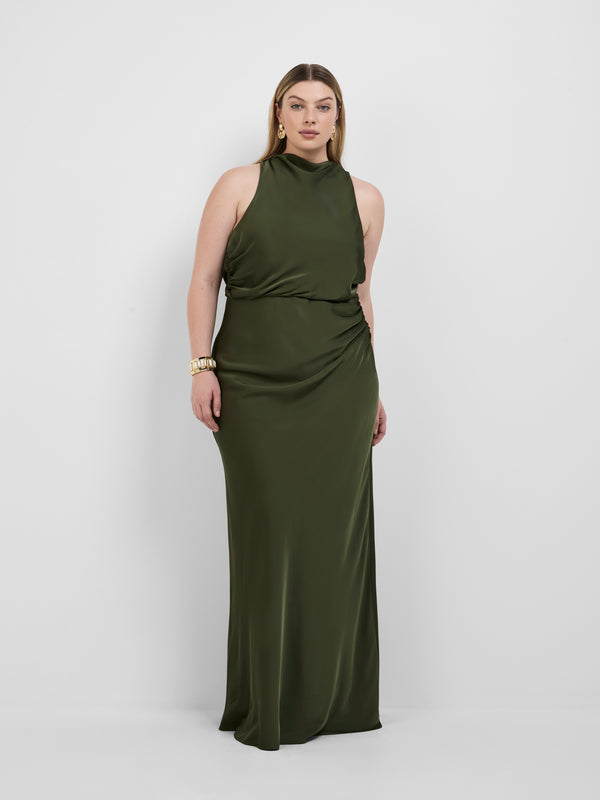
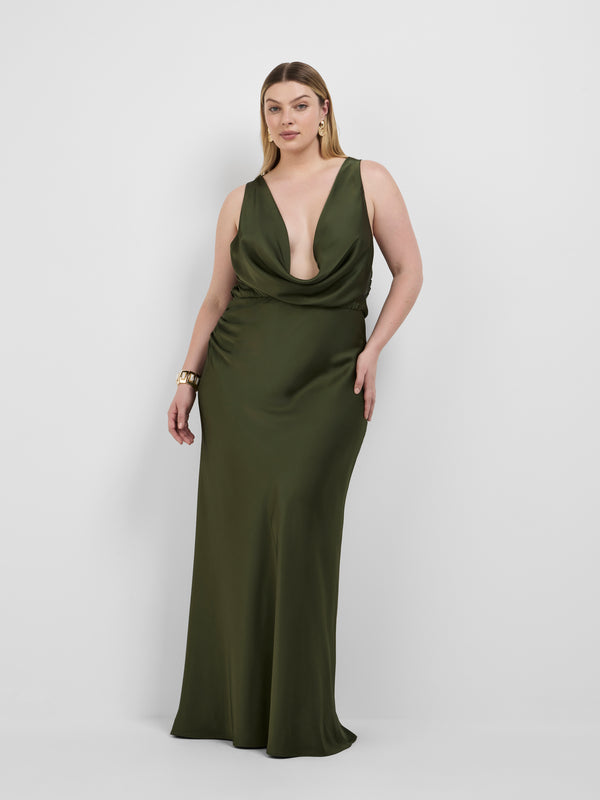
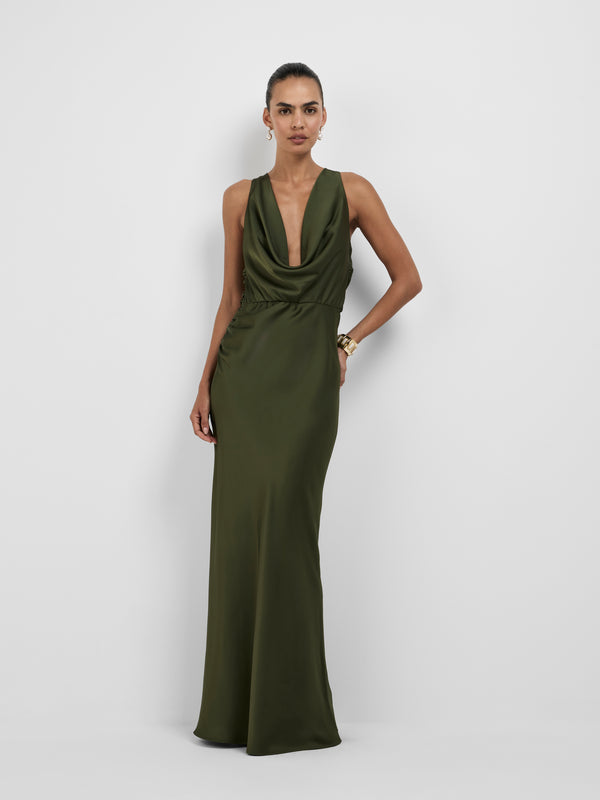
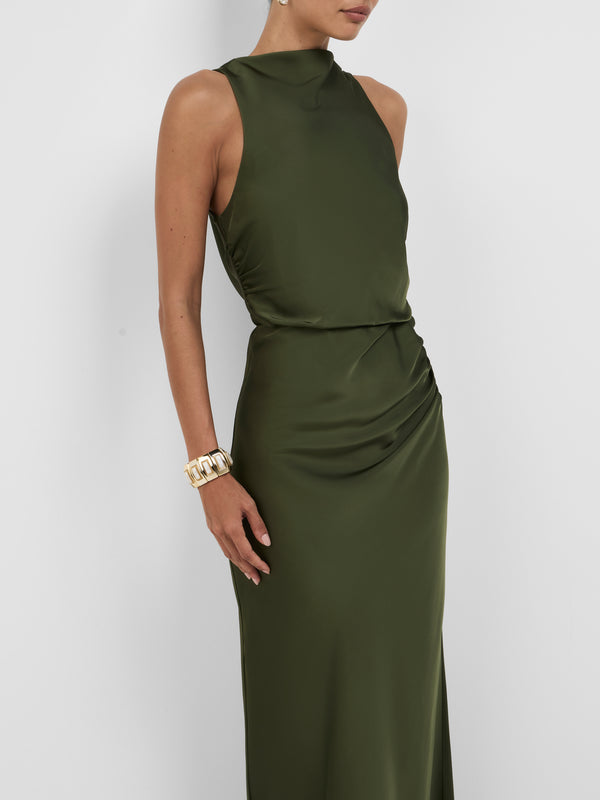
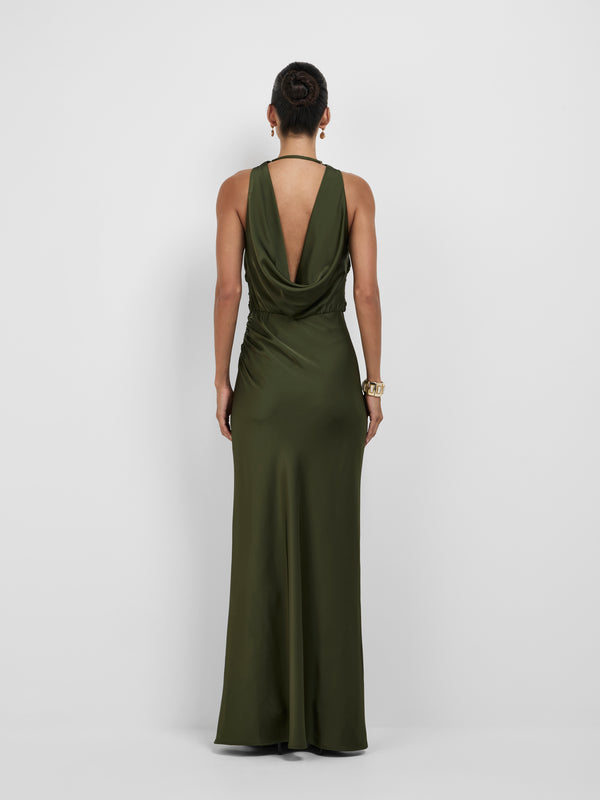
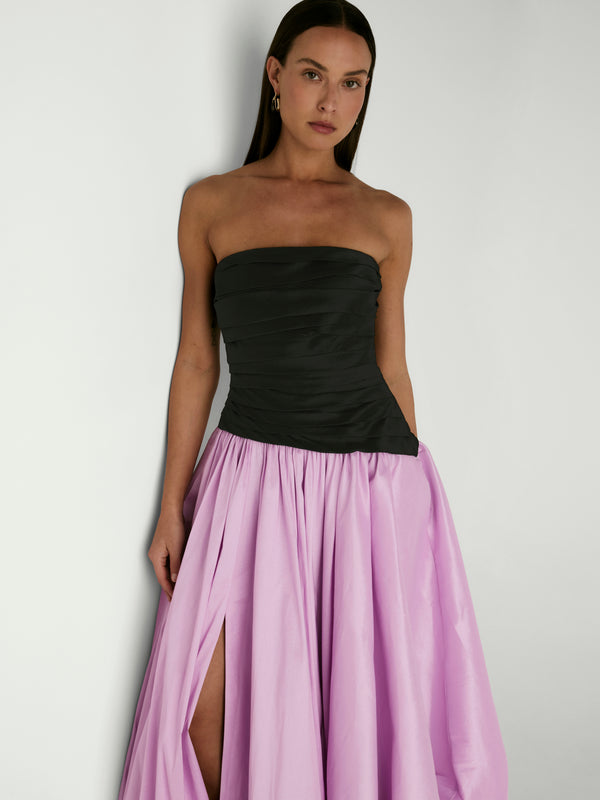
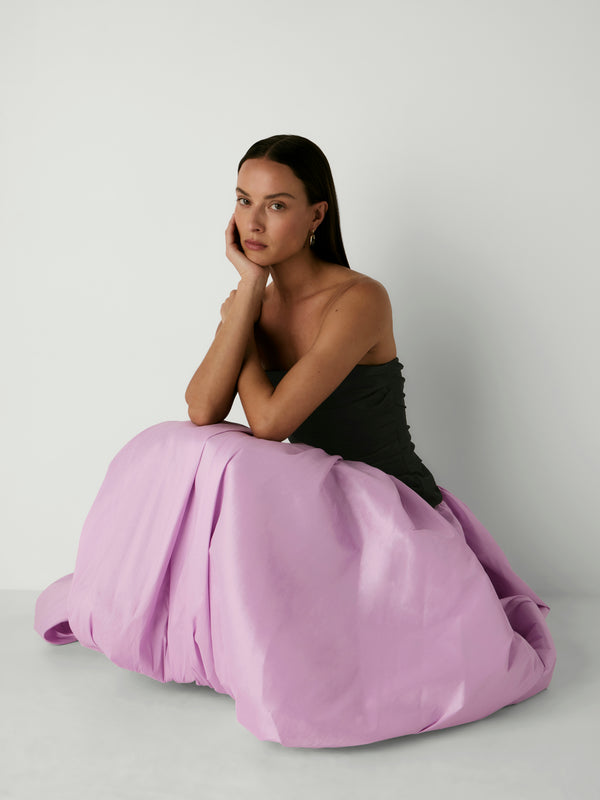
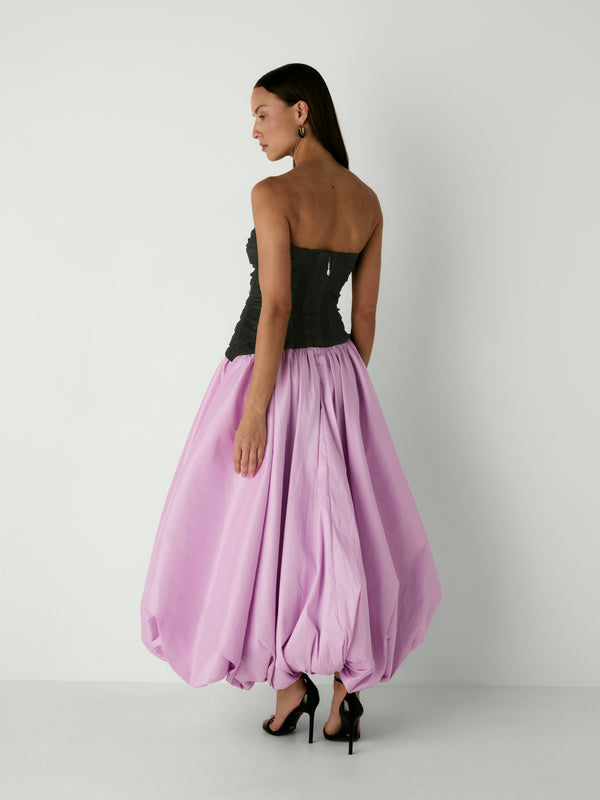
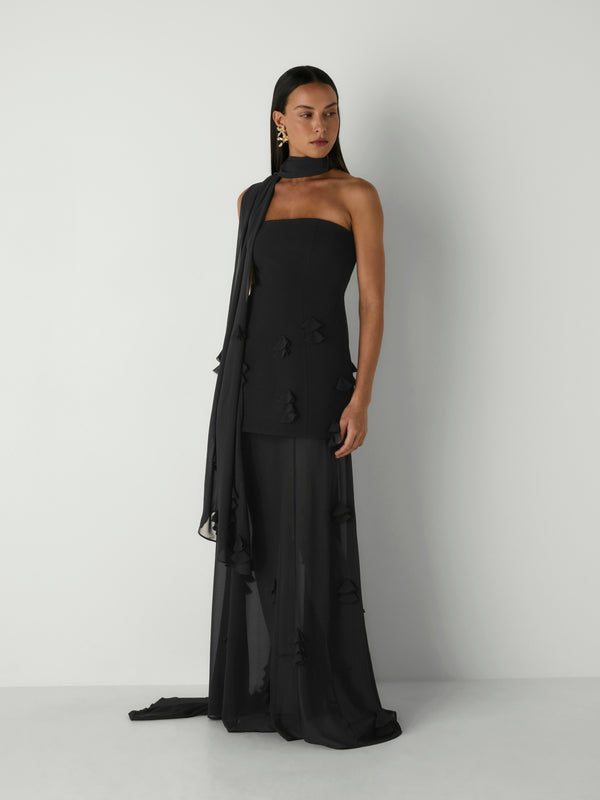
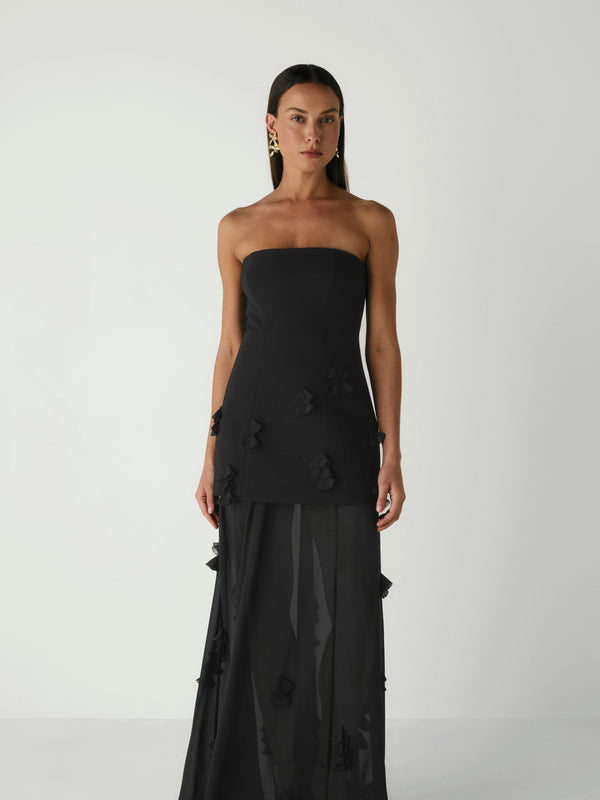
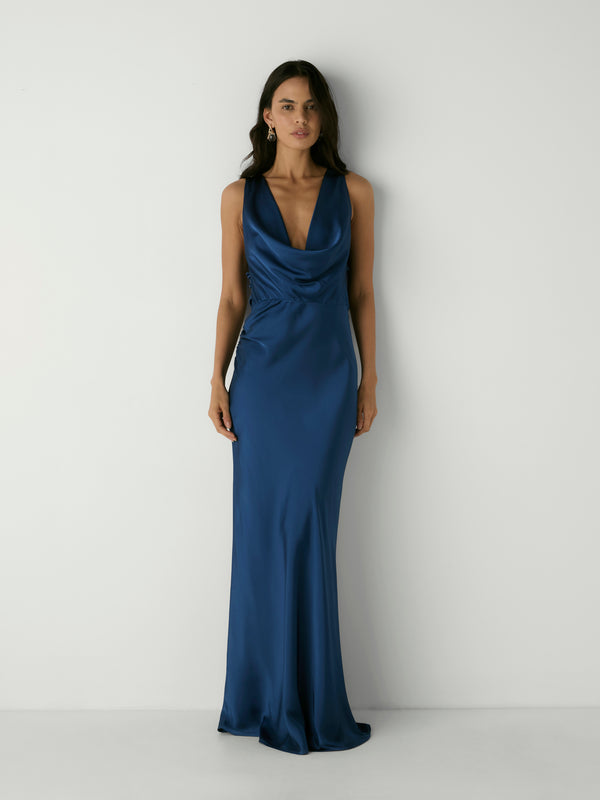
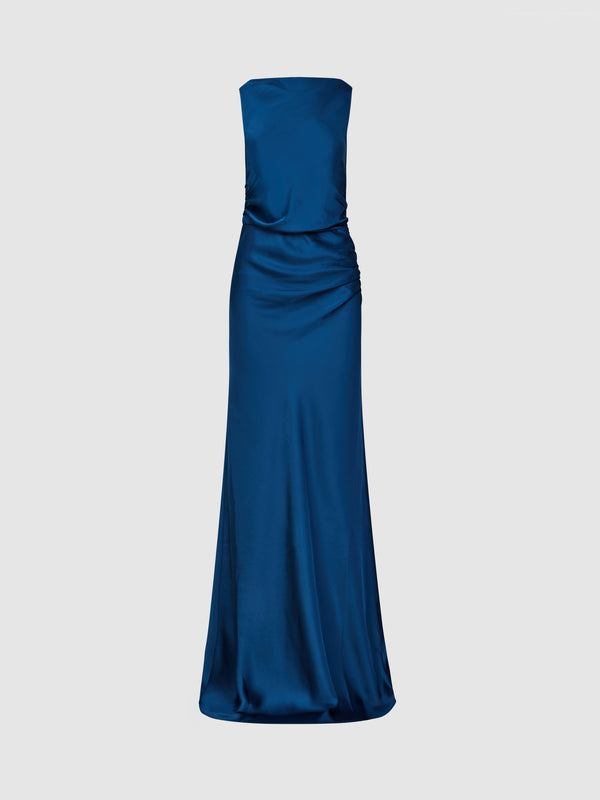
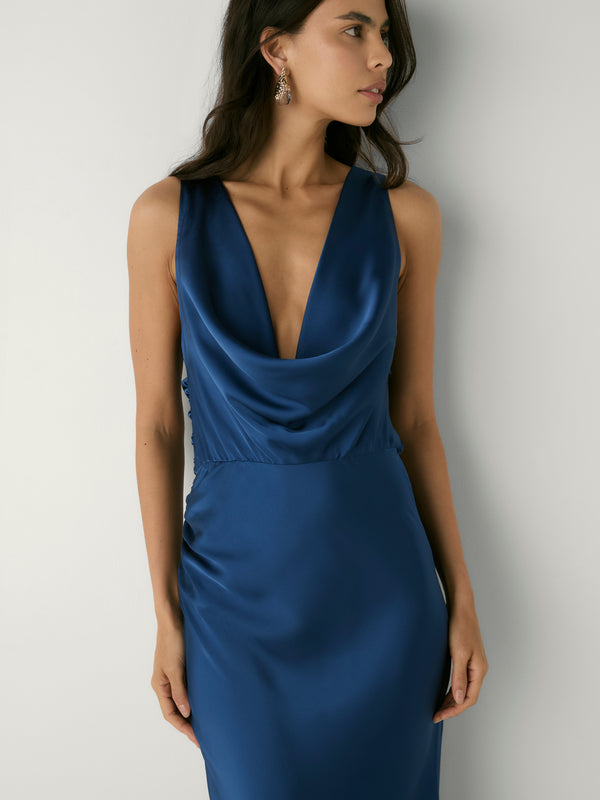
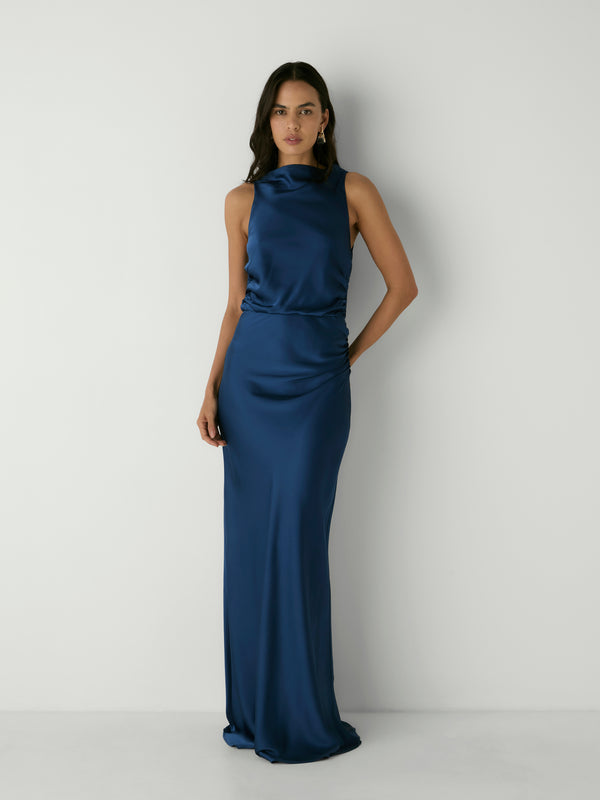
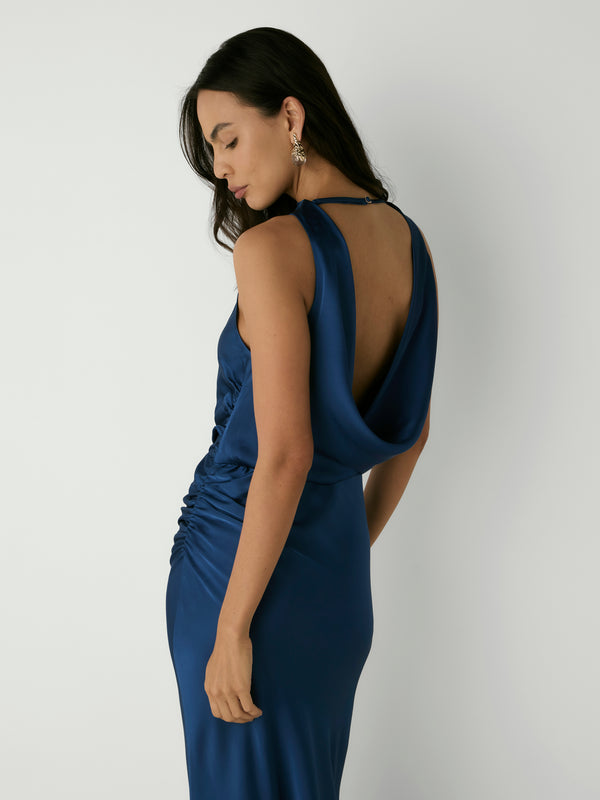
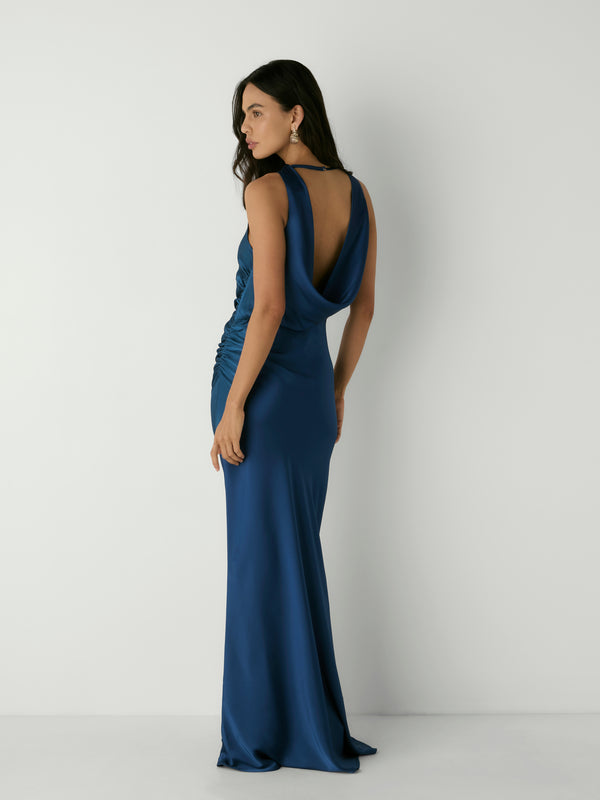
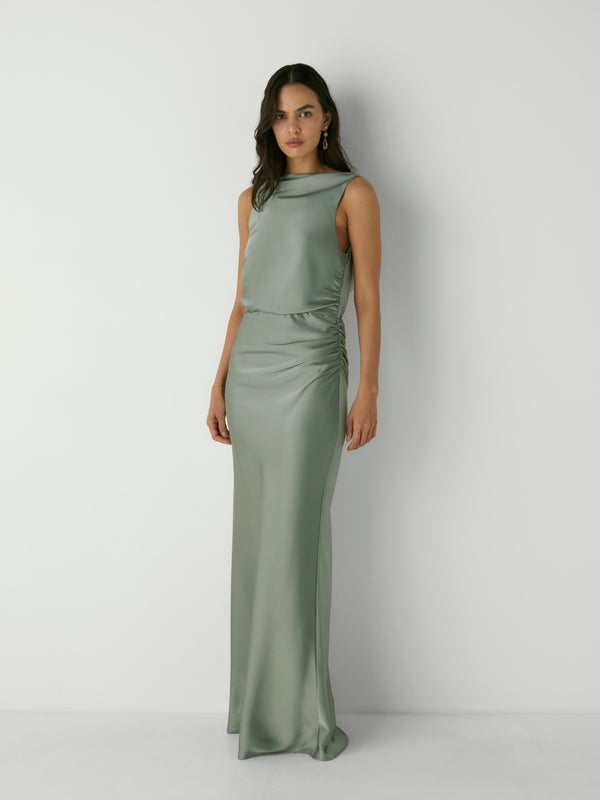
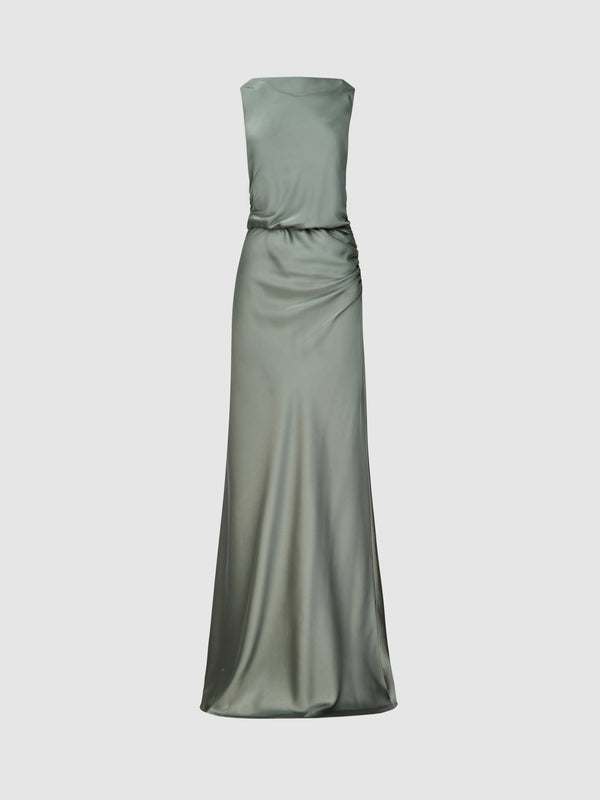
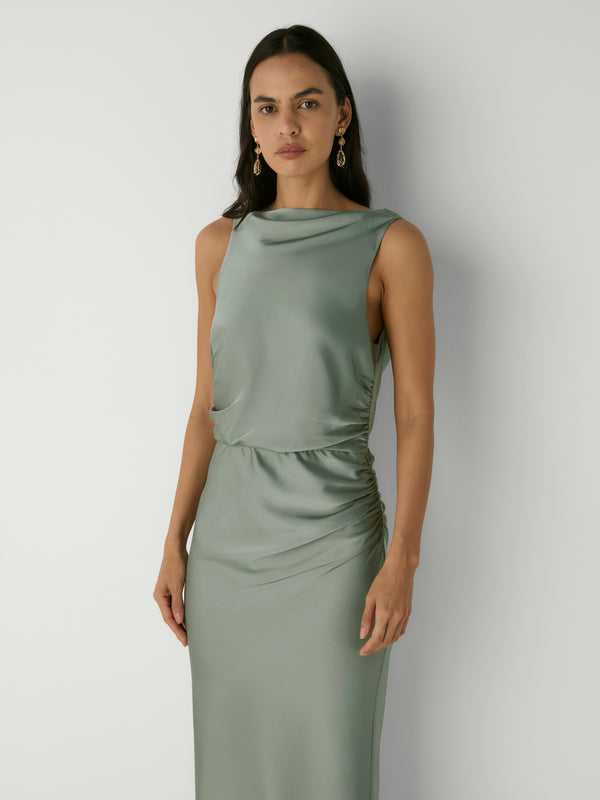
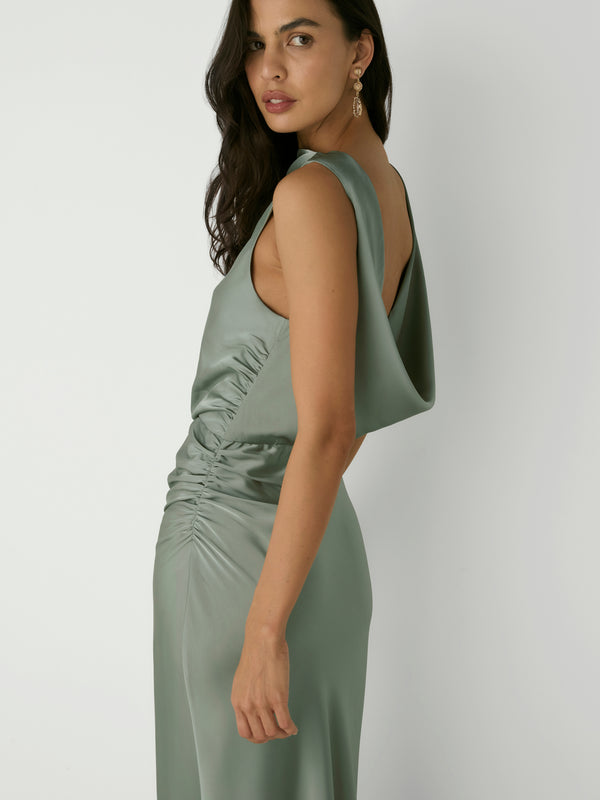
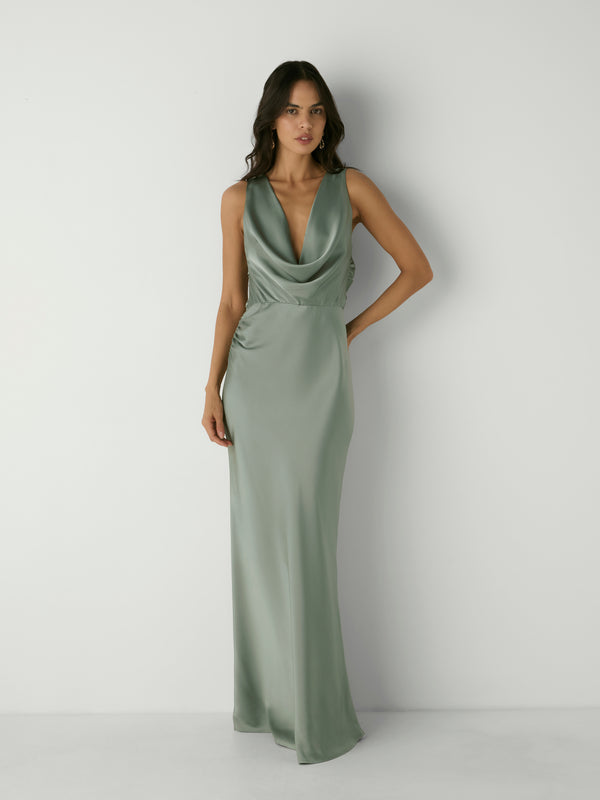
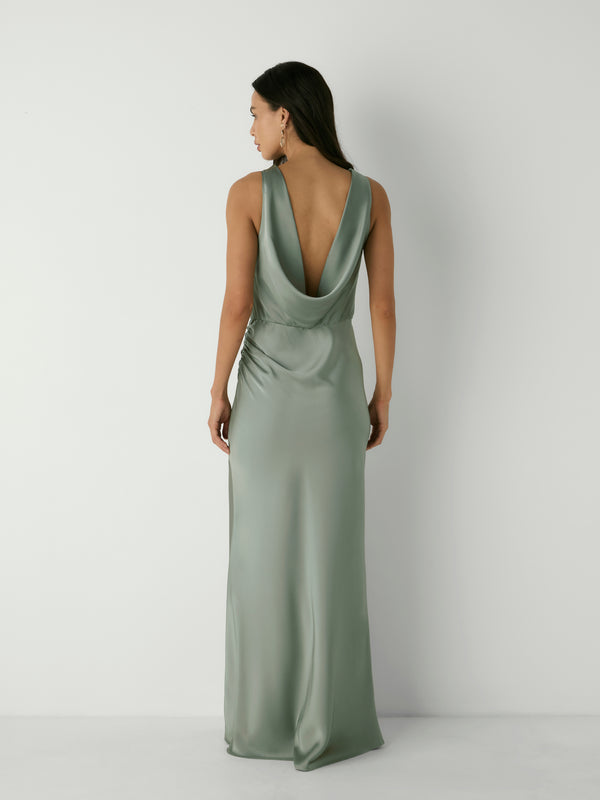
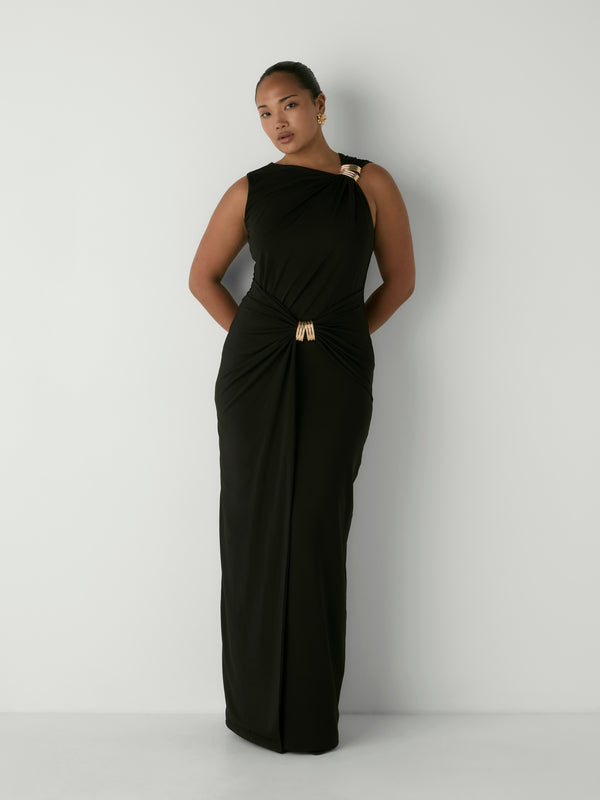
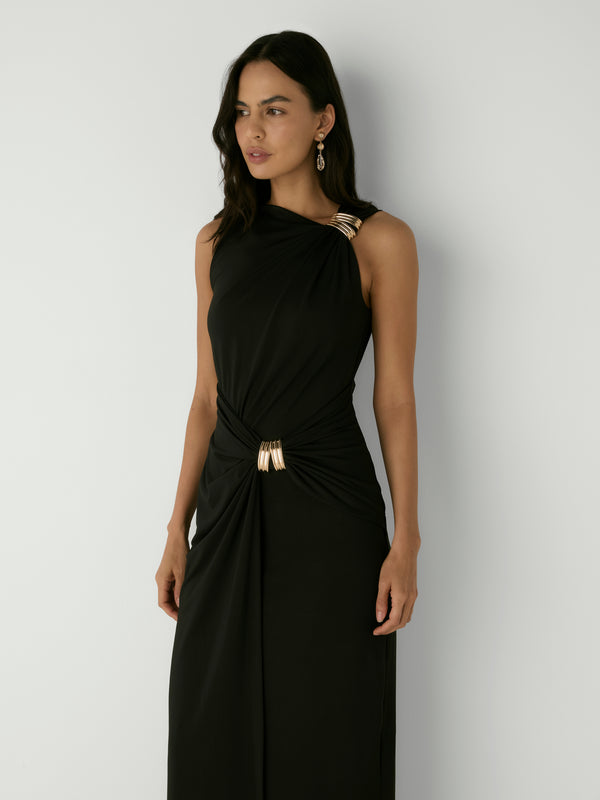
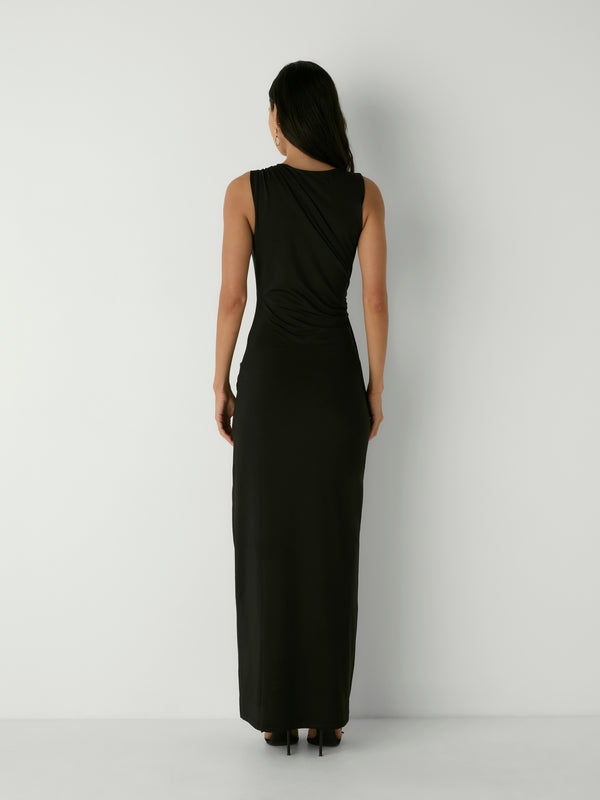
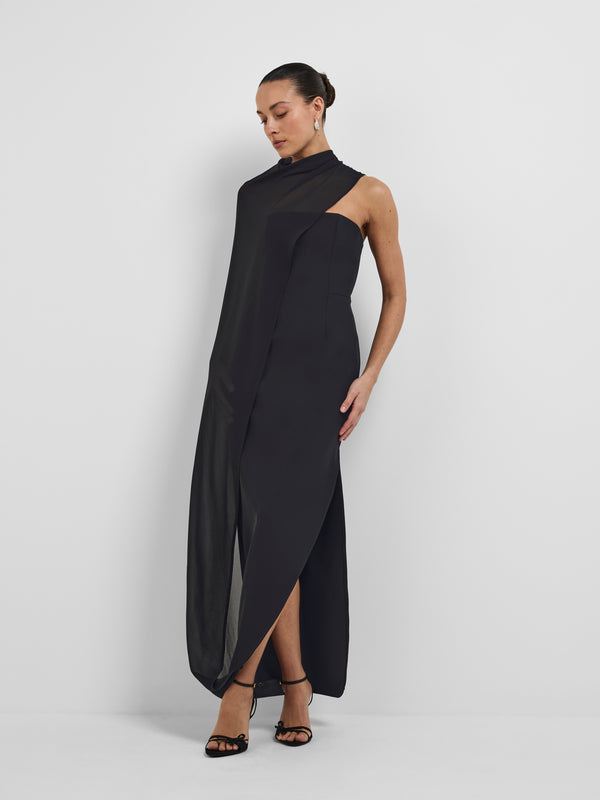
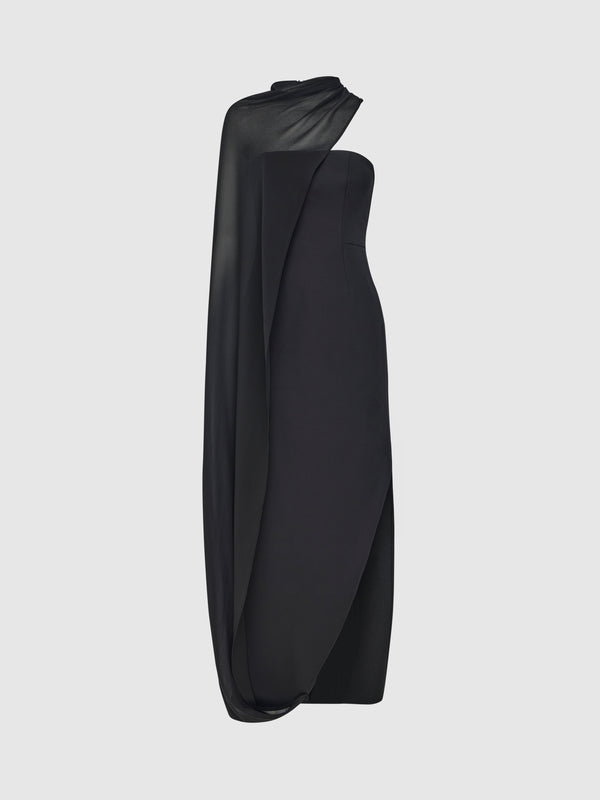
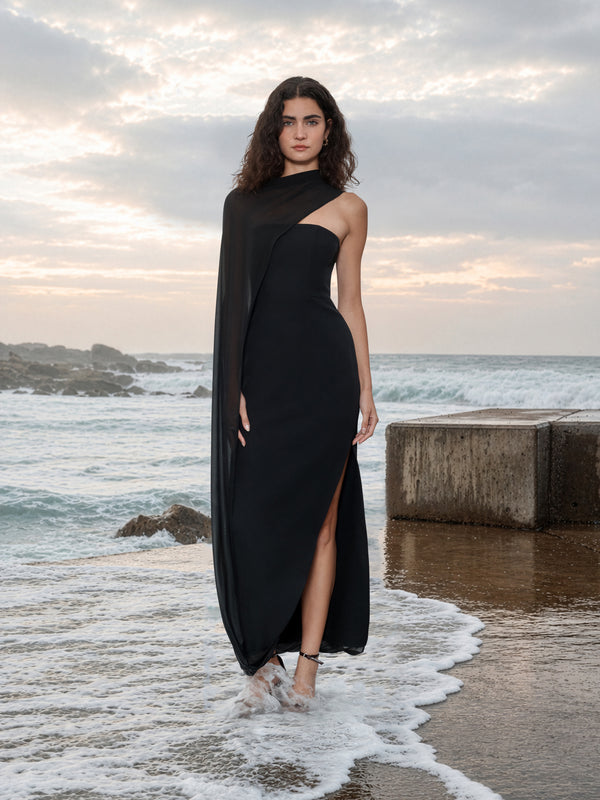
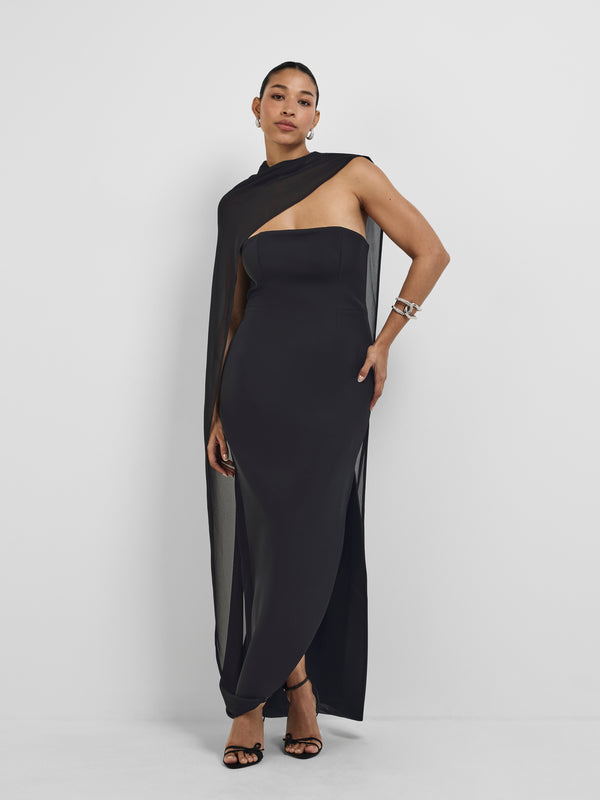
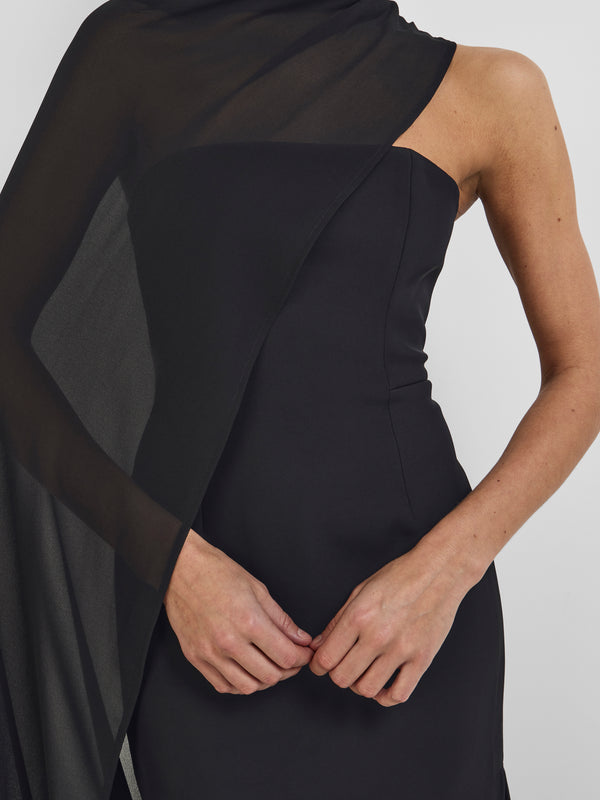
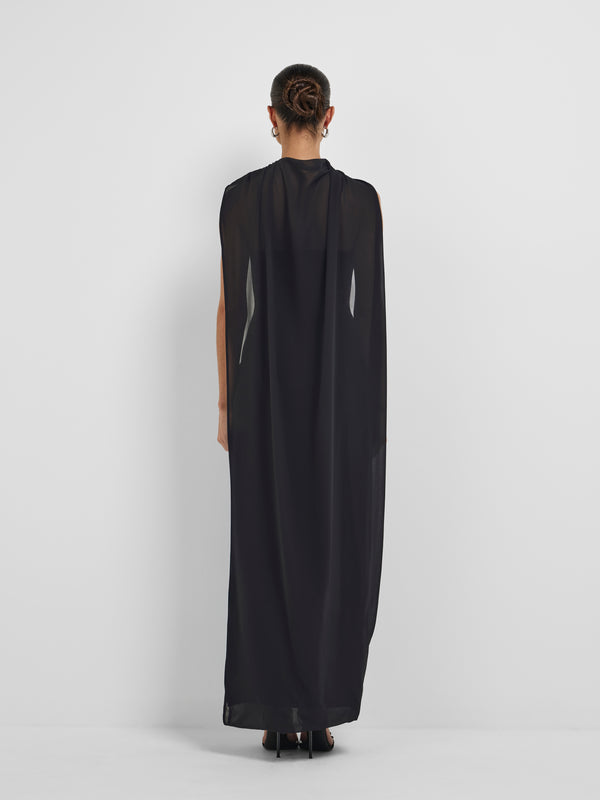
A floor-length gown is the most traditional answer. Choose a hem that skims the floor when you wear heels, in a fabric with weight or sheen. A defined waist, a one shoulder neckline or an open back all suit the dress code, and a slit adds movement without shortening the look. Ball gowns with a full skirt suit the most formal galas, while a slim column shape suits a hotel ballroom.
Pick a shape you can sit, dance and climb stairs in, because a black tie evening is long. An A-line skirt gives the most room to move, a column gown gives the sleekest line, and an empire waist or wrap style gives a softer fit. If you are expecting, a bump friendly dress in stretch satin or crepe keeps the formal look and adds comfort.
A jumpsuit is accepted at black tie when the fabric is fluid or satin and the legs are wide enough to move like a skirt. Add a dramatic neckline, a fitted waist and a high heel, and avoid casual details such as drawstrings and patch pockets.
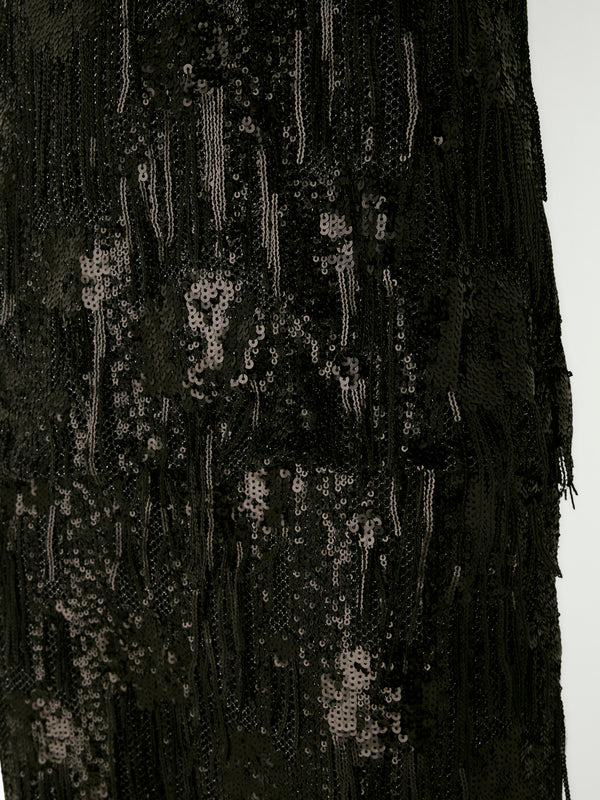
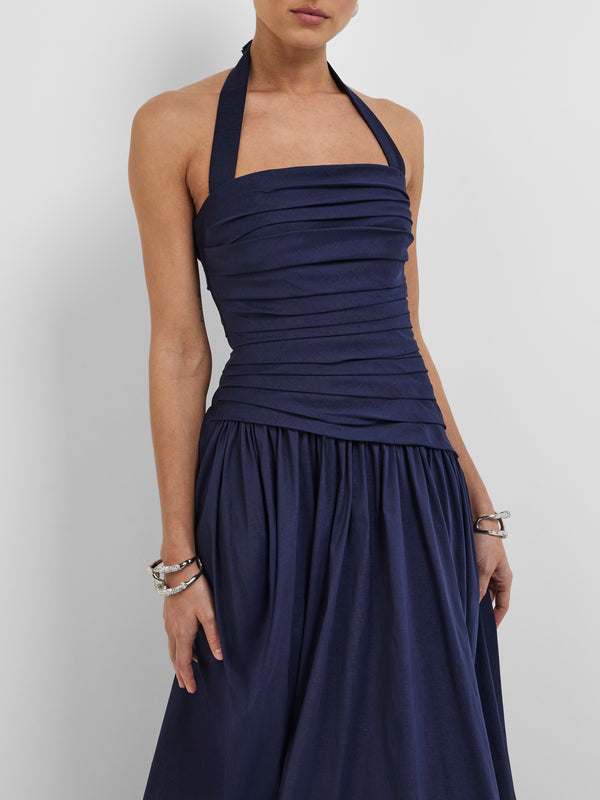
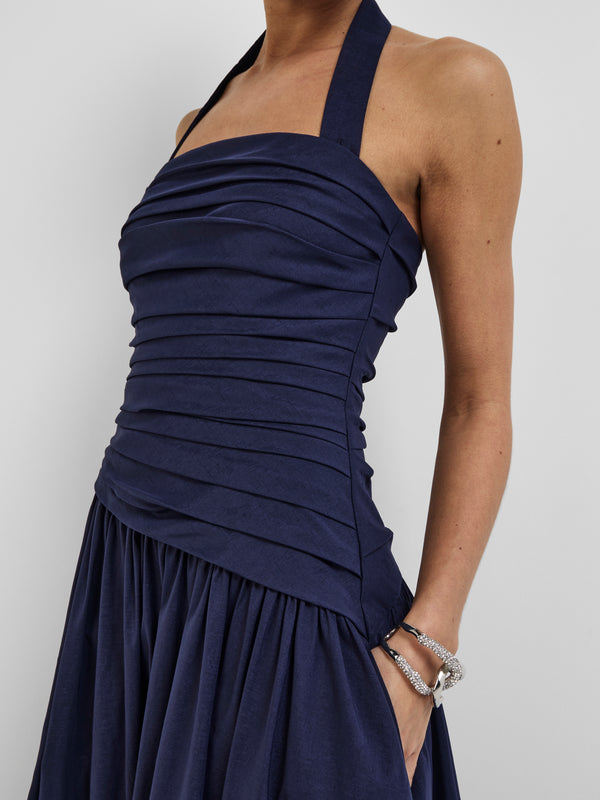
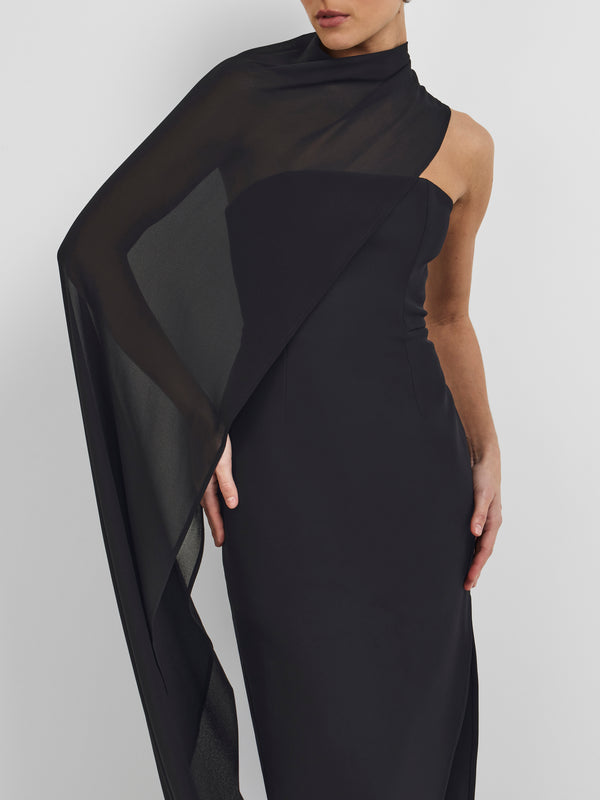
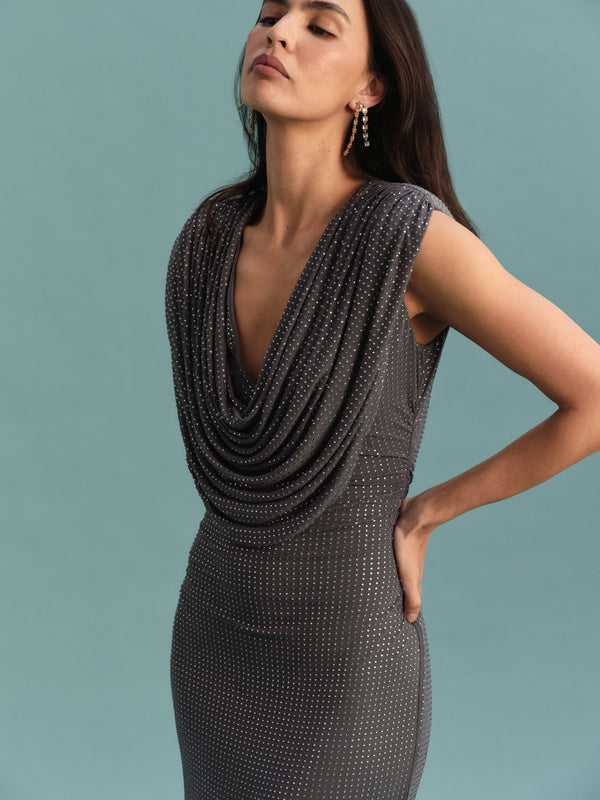
Satin dresses, velvet, crepe and chiffon suit black tie because they look rich under evening light, and sequin dresses add shine without needing much jewellery. Deep tones such as emerald, navy, burgundy and chocolate brown work well, as do black, silver and champagne. Avoid cotton, jersey, denim and linen, which look too casual after dark.
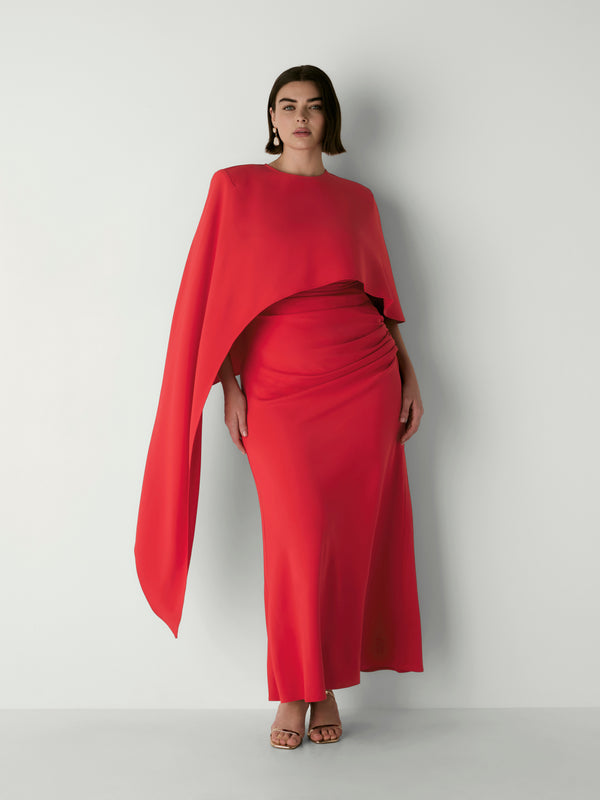
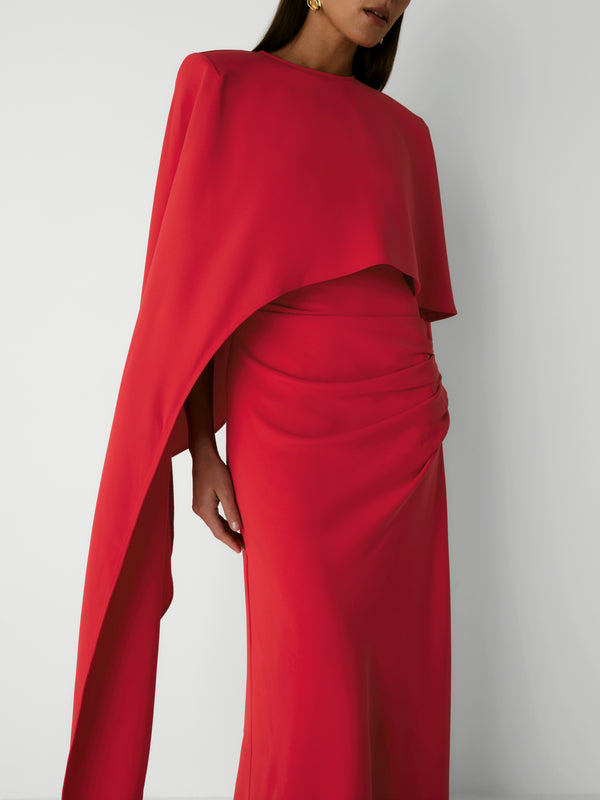
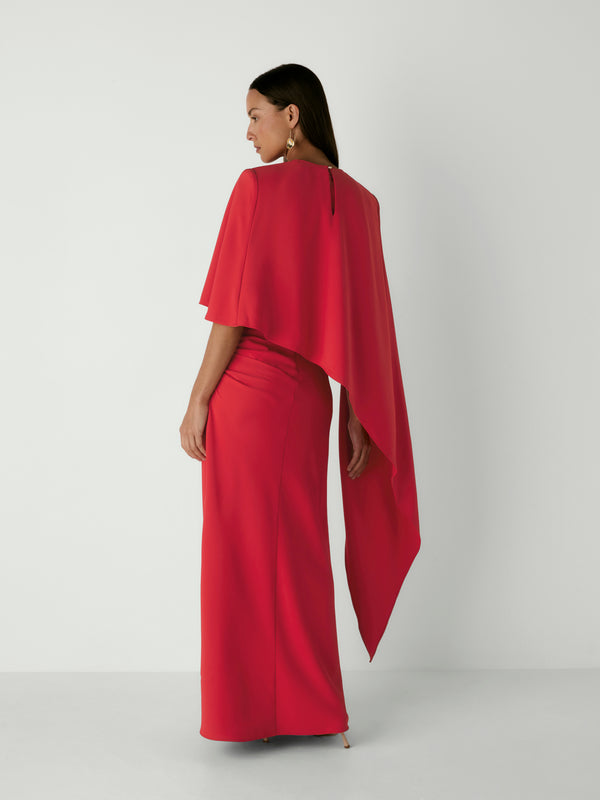
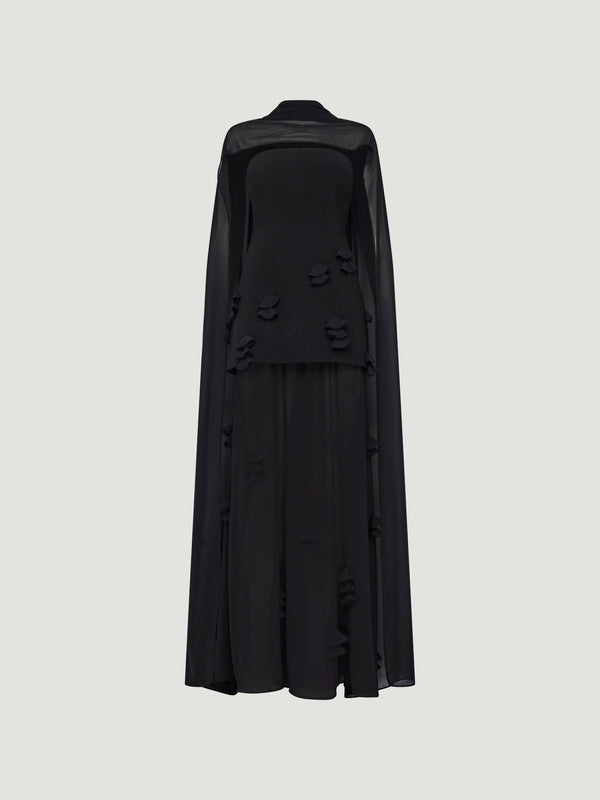
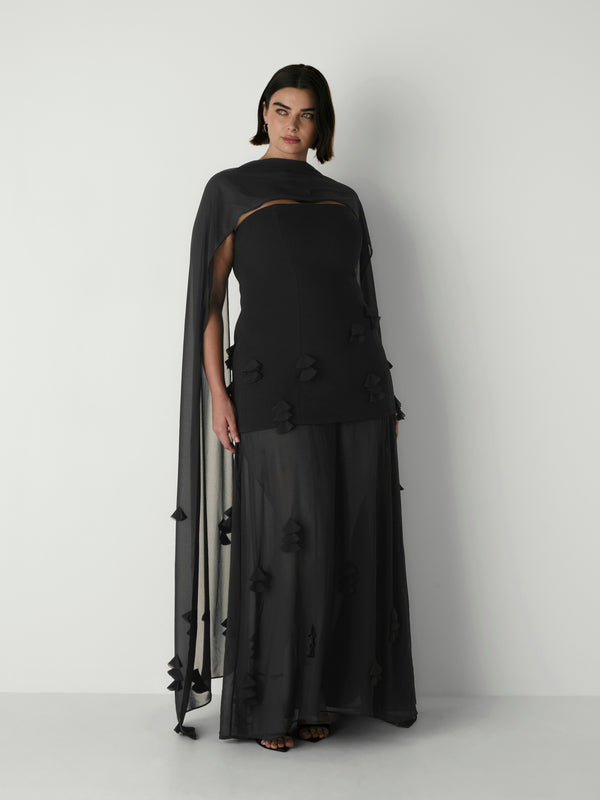
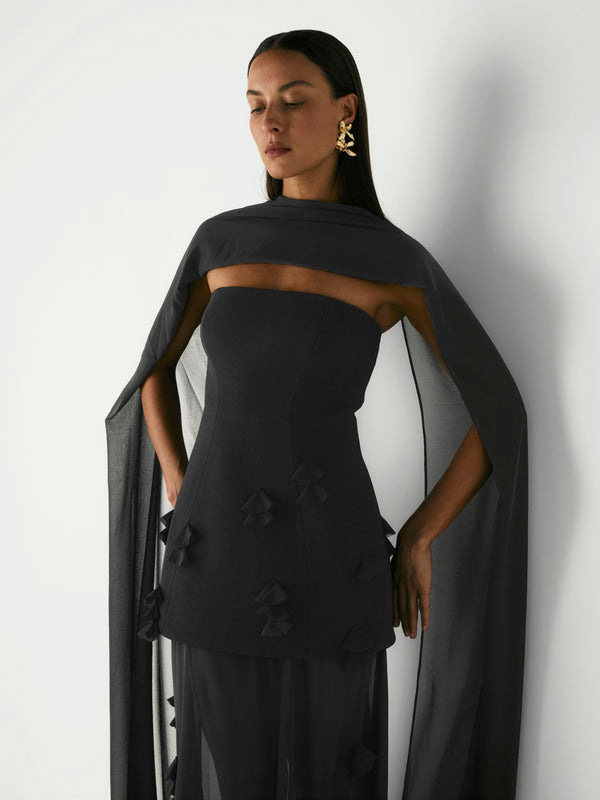
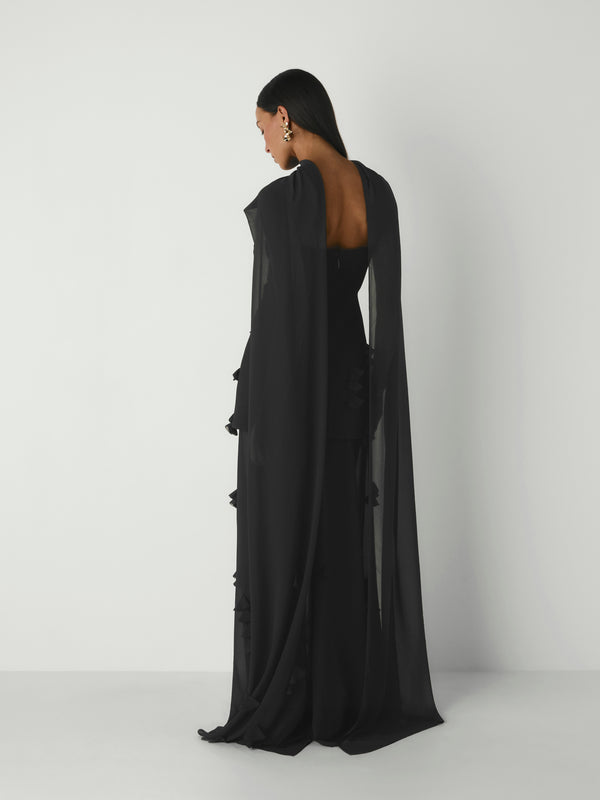
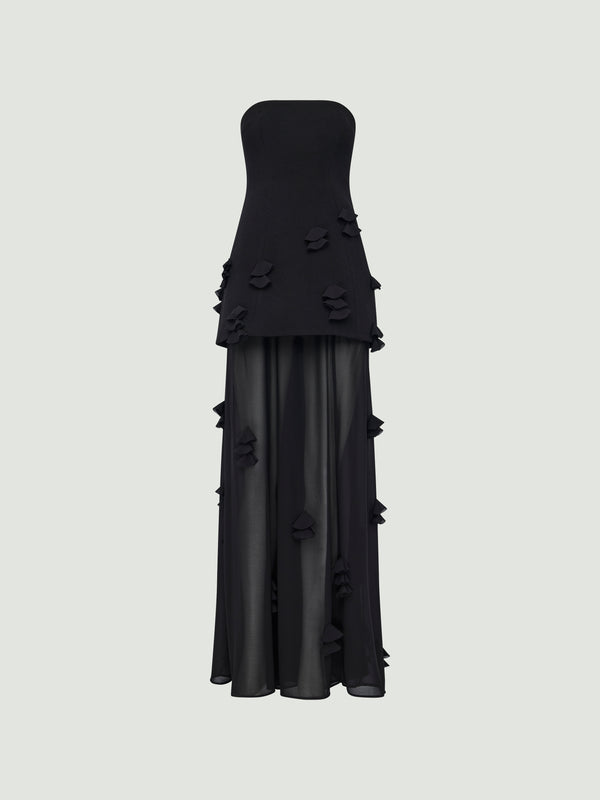
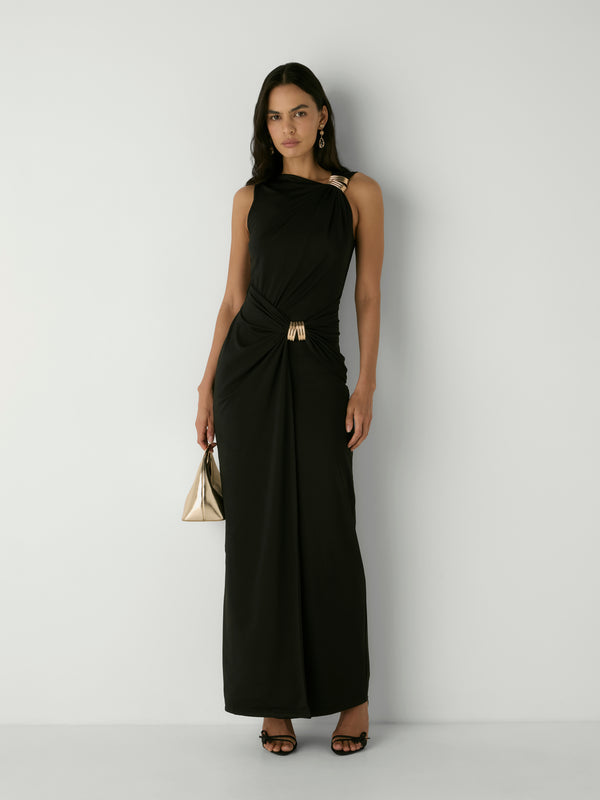
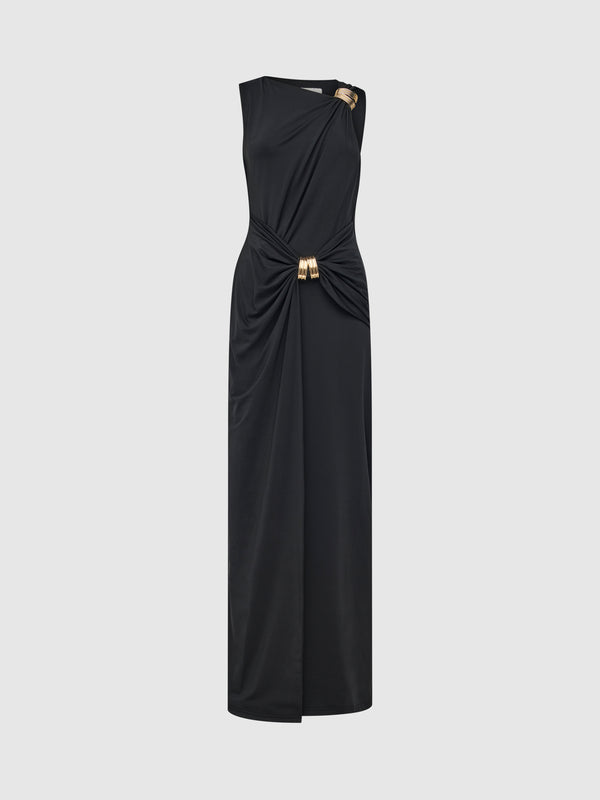
Black tie events can be costly to dress for, but one gown can serve several. A black satin gown with gold earrings and a strappy sandal suits an awards night, and the same gown with a cape and silver jewellery suits an evening wedding. Keep the base simple in a deep colour, and change the accessories to suit each event.

A black tie wedding asks guests to dress as formally as they would for a gala, so a floor-length dress is the safest choice. These rules keep your outfit respectful of the couple:
Black is generally accepted at evening black tie weddings today, as long as the fabric is rich and you add shine or colour. A black dress with metallic earrings or a jewel-toned clutch looks celebratory. If the invitation or the couple asks for colour, follow that instead.
Australian weather changes the fabric but not the length, so match the material to the month.
| Season | Fabrics and cuts | Colours | Layer to bring |
|---|---|---|---|
| Summer (Dec to Feb) | Chiffon, lightweight satin, open backs | Sage, soft blue, champagne, black | A light wrap for cool venues |
| Autumn (Mar to May) | Crepe, satin, long sleeves | Rust, olive, plum, black | A structured wrap |
| Winter (Jun to Aug) | Velvet, heavy satin, long sleeves | Burgundy, forest green, navy, black | A wool coat |
| Spring (Sep to Nov) | Lined chiffon, soft satin | Lilac, dusty pink, pale blue | A light jacket or shawl |
The same rule applies at weddings: a summer wedding suits chiffon and open backs, while a winter wedding suits velvet and long sleeves. Venues are often air-conditioned or exposed to evening wind, so carry a layer even in summer.

Black tie accessories should finish the gown without competing with it.

Most black tie mistakes come from underestimating how formal the evening is.
Black tie, black tie optional and formal sit at the top of the dress code scale, and the gap between them is smaller than most people expect.
| Dress code | When you will see it | Example outfit for women |
|---|---|---|
| Cocktail | Evening parties, most weddings | Knee-length or midi dress, heels, clutch |
| Black tie optional | Formal weddings, galas | Formal midi dress or floor-length gown |
| Formal | Evening weddings, awards nights | Floor-length gown or formal jumpsuit |
| Black tie | Galas, balls, formal weddings | Floor-length gown |
| White tie | State dinners, the most formal balls | Full-skirted ball gown with long gloves |
Formal is usually read the same way as black tie, so a floor-length gown is the right choice for either. If the invitation says black tie optional, a formal dress in a midi length is accepted, although a gown is still the safest answer. For a cocktail invitation, a knee-length dress is enough, and semi-formal dresses sit between the two.
Black tie for women means a floor-length evening gown or a very formal alternative such as a dressy jumpsuit, worn with heels, an evening clutch and polished jewellery.
No. Black tie describes the formality of the event, not the colour. Jewel tones, metallics and neutrals all work when the dress is formal.
Yes, in most cases. Black is accepted at evening black tie weddings when the fabric is rich and the styling feels celebratory. Check the invitation first, and choose colour if the couple asks for it.
Guests wear a floor-length gown or a formal jumpsuit, avoid white, ivory and cream, and bring a wrap for the ceremony.
Only when the invitation says black tie optional. At a full black tie event, a floor-length gown or a formal jumpsuit is expected.